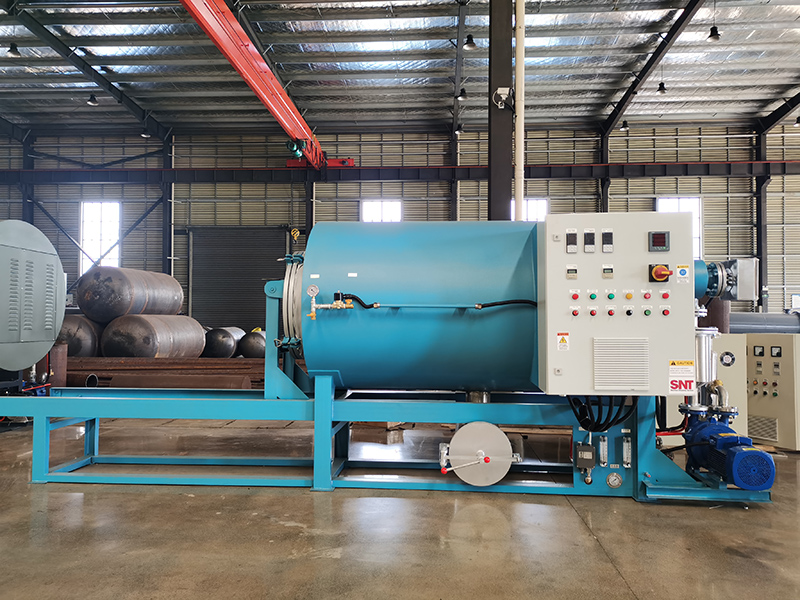
Powder coat hooks that see repeated use in finishing operations gradually build up thick layers of cured powder, leftover paint residue, and fused organic material that cannot be removed with simple wiping or manual scraping. Over time, this buildup creates uneven grounding, inconsistent part spacing, and poor powder adhesion that ruins finish quality and slows down every stage of the coating workflow. A properly run burn off oven process eliminates this accumulated contamination safely, restores hooks to near-new condition, and cuts down on the constant labor and waste that comes with replacing worn fixtures prematurely.
Prep hooks and racks before loading to avoid unnecessary risks
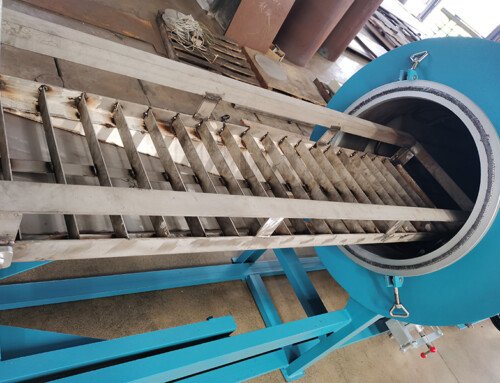
Before placing any items inside the chamber, remove all loose metal chips, excess fresh powder, and large chunks of recently applied coating that could flake off and create uneven hot spots during the cycle. Separate hooks and racks by their material thickness and previous coating type, grouping items with similar buildup levels together so no thin metal parts spend longer at high temperature than they need to. Double check that no lightweight plastic, rubber, or non-metal accessories are still attached to the fixtures, as these can melt quickly inside the chamber and leave stubborn residues that require extra cleaning later. Arrange the loaded items on sturdy carts so air can circulate freely around every surface, avoiding tight piles that trap heat and prevent full decomposition of the organic layers.
Follow controlled temperature ramp-up and soak phases for consistent results
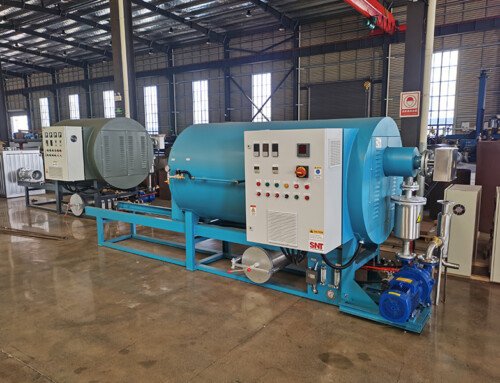
Start the cycle with a slow, gradual temperature rise that lets most low-moisture and light organic residues vaporize gently without sudden flaring or rapid smoke release. Hold the chamber at a steady mid-range temperature for several hours to let thick, heavily cured powder layers break down through controlled pyrolysis, rather than forcing the temperature up too fast and risking uneven burning that warps thin metal components. Maintain consistent airflow across the entire load during this phase to make sure no pockets of unprocessed material are left hidden between stacked hooks, and avoid opening the chamber door mid-cycle to prevent sudden temperature drops that interrupt the decomposition process. The afterburner section should run at a stable elevated temperature for the full duration of the main cycle to fully break down all exhaust vapors before they leave the system.
Complete post-cycle handling and residual removal safely
Once the main heating phase finishes, allow the full load to cool down gradually inside the chamber before any operator opens the access door. Do not attempt to move or handle hooks while they are still glowing hot, as the thin residual ash layer on the surface can be easily disturbed and create fine airborne particles that are hard to contain. Once temperatures drop to a safe handling level, gently brush off the dry, powdery ash from every hook and rack surface, or use low-pressure compressed air in a contained booth to blow away leftover residue. A quick rinse with clean water removes any remaining fine dust, leaving the metal surface completely bare, ready for re-use with full electrostatic grounding and no leftover contamination that could ruin the next powder coat finish.
Implement routine process checks to extend fixture service life
Track cycle duration, typical buildup thickness, and post-cleaning condition for every batch of hooks and racks to refine your standard operating parameters over time. Note any signs of minor metal warping, discoloration, or surface oxidation after repeated cycles, and adjust maximum temperature settings or total soak time accordingly to reduce unnecessary stress on the metal. Schedule regular inspection of the oven’s temperature sensors and airflow paths to keep heat distribution even across the full chamber, eliminating cold spots that leave partial coating residue behind and force repeat cleaning runs. These small, consistent adjustments keep the whole process reliable, reduce unplanned downtime, and help the same set of hooks and racks stay in active production for far longer than most teams expect.