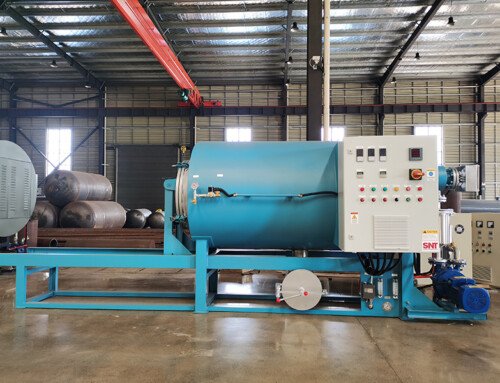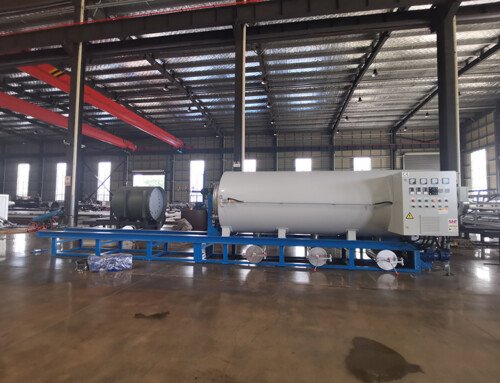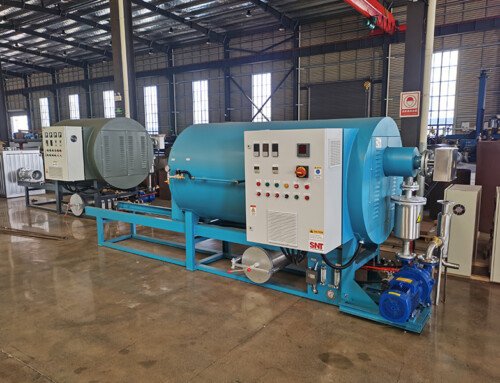
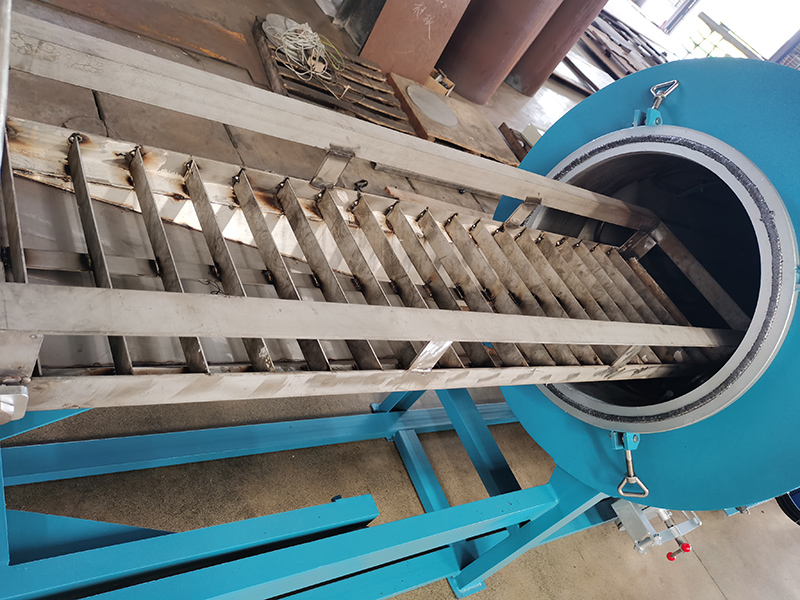
Paint and powder residue that builds up on jigs and hangers over repeated coating cycles creates uneven surface layers that interfere with proper electrical grounding, disrupt part positioning, and cause inconsistent finish quality across entire production batches. Manual scraping, abrasive blasting, and chemical stripping all carry their own set of drawbacks, from excessive labor hours to unwanted media residue that contaminates subsequent coating runs. A well-executed thermal stripping process breaks down accumulated organic paint layers cleanly, preserves the structural integrity of the metal base, and returns jigs and hangers to a condition ready for immediate reuse in the coating line.
Sort and pre-inspect all jigs and hangers before loading
Walk through every piece before placing it in the chamber, and remove any loose fasteners, non-metal inserts, or soft gaskets that are not designed to withstand high thermal exposure. Group items by material thickness, base metal type, and the approximate thickness of accumulated paint buildup to ensure every load receives a matching, appropriately adjusted thermal cycle. Separate delicate, thin-profile hangers from heavy, thick-walled jigs, so no component is exposed to unnecessary heat that could cause permanent warping or surface distortion. Clear all open slots, threaded holes, and narrow gaps of loose paint flakes and metal chips, to prevent trapped material from decomposing unevenly and leaving hard-to-remove carbon deposits behind.
Run a staged thermal cycle for complete, damage-free paint removal
Begin the process with a slow, low-temperature ramp that lets volatile components in the old paint vaporize gradually, avoiding sudden flaring, excessive smoke, or rapid pressure spikes inside the chamber. Hold the load at a carefully calibrated mid-range temperature to allow thick, multi-layered cured paint to break down through controlled pyrolysis, rather than forcing temperatures far higher than necessary and risking permanent changes to the metal’s temper. Maintain consistent, balanced airflow across every surface of the load throughout the cycle, so no hidden pockets of trapped paint residue remain unprocessed in tight corners or overlapping areas. Keep the secondary afterburner section running at its specified elevated temperature for the full duration of the main cycle, to fully break down all exhaust fumes and prevent unprocessed vapors from being released into the surrounding work area.
Perform post-cycle cleaning and integrity verification
Once the main heating sequence completes, allow the entire load to cool down slowly and completely inside the sealed chamber before any access door is opened. Handling hot jigs and hangers immediately after the cycle can disturb the fine, powdery ash layer and create fine airborne dust that spreads across the shop floor, creating unnecessary cleanup work later. Once temperatures drop to a safe working level, remove the dry residual ash with a soft bristle brush or low-pressure, filtered compressed air in a dedicated contained area, making sure no leftover dust remains in threaded holes, alignment slots, or hanging points. Inspect every jig and hanger for signs of minor warpage, bent mounting points, or surface oxidation, and straighten any slightly deformed components before returning them to active coating line use.
Establish regular process refinement to reduce long-term wear
Keep simple, consistent records of each stripping cycle’s duration, temperature profile, and post-cleaning condition of the jigs and hangers, so you can spot patterns of excessive buildup or unexpected material stress over time. Adjust cycle parameters gradually if you notice partial paint residue left behind, or if thin hangers begin showing minor signs of bending after repeated runs. Schedule periodic checks of the chamber’s temperature distribution across different zones, to eliminate cold spots that leave partial layers of paint unprocessed and force repeat cleaning cycles. These small, consistent adjustments reduce unnecessary rework, extend the usable life of your coating fixtures, and keep every subsequent coating run grounded, aligned, and free of contamination from leftover old paint.