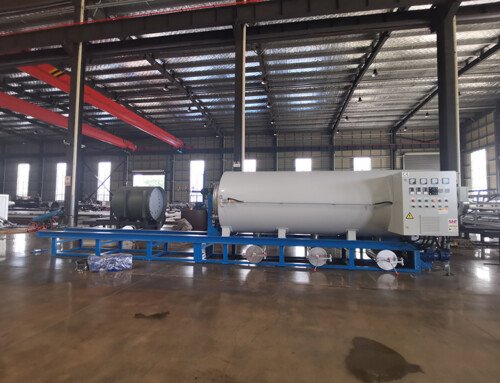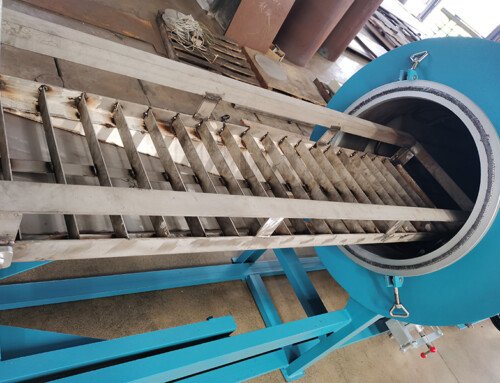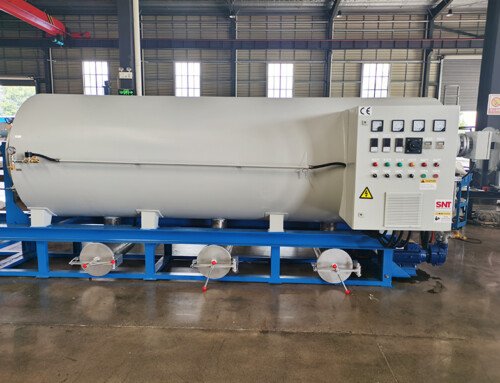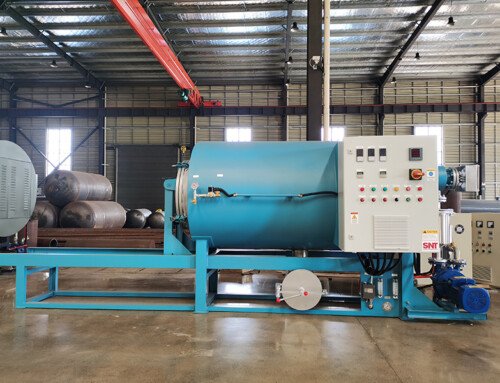
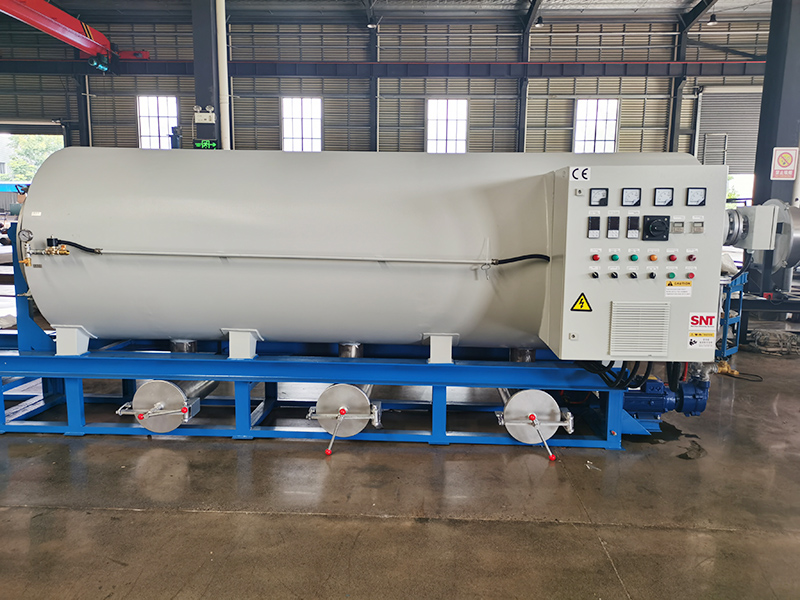
Burn off oven systems provide a controlled thermal solution for removing epoxy coating from metal substrates, addressing the unique challenges that come with fully cured, chemically cross-linked epoxy layers that resist most conventional stripping methods. Epoxy coatings are widely used for electrical insulation, corrosion protection, and surface reinforcement across industrial metal parts, and their dense three-dimensional polymer structure makes them extremely difficult to strip completely without damaging the underlying metal. Unlike manual scraping, chemical soaking, or abrasive blasting processes that can leave residual epoxy film, introduce surface scratches, or release large volumes of hazardous waste, the thermal approach breaks down the organic epoxy material under carefully regulated temperature and atmospheric conditions.
Controlled Thermal Decomposition Dynamics for Epoxy Removal
The core working principle behind effective epoxy coating removal in a burn off oven relies on staged temperature programming that matches the thermal breakdown characteristics of fully cured epoxy. Most epoxy formulations begin softening and undergoing initial molecular depolymerization once temperatures climb past a certain threshold, before moving into full oxidative decomposition at higher, carefully controlled heat levels. The process is structured to avoid rapid, uncontrolled temperature spikes that could cause epoxy to melt, carbonize unevenly, or leave stubborn, graphitic residue that sticks tightly to the metal surface. By holding the system at a lower pre-heat stage first, operators ensure that trapped moisture and low-molecular-weight additives inside the epoxy are gradually released without bubbling or blistering, before raising the temperature to the main decomposition phase that breaks down the bulk of the coating material. This staged thermal profile ensures that the entire epoxy layer breaks down completely into gaseous byproducts and easily removable light ash, without leaving sticky, half-decomposed material behind.
Substrate Protection for Delicate and High-Precision Metal Parts
One of the most critical advantages of using a burn off oven for epoxy stripping is its ability to preserve the original dimensional accuracy, surface finish, and material properties of the underlying metal substrate. When the maximum operating temperature is calibrated to stay well below the melting point, tempering temperature, or phase transition threshold of the base metal, the process will not cause warping, softening, or microstructural changes that could ruin precision-machined tolerances. This makes the method suitable for high-precision metal components that have already gone through final machining, tight tolerance grinding, or critical heat treatment steps before the epoxy coating was applied. Unlike aggressive chemical strippers that can etch or discolor certain metal alloys, or abrasive blasting that erodes fine surface features and changes critical part dimensions, the properly calibrated thermal process leaves the original metal surface completely intact, clean, and ready for subsequent recoating or reuse.
Emission and Byproduct Management for Industrial Operation
A well-configured burn off oven system for epoxy coating removal integrates secondary treatment stages that handle the gaseous decomposition byproducts generated during the thermal breakdown process. The volatile organic compounds released when epoxy breaks down are routed through a high-temperature post-combustion zone, where they are fully oxidized at elevated temperatures before being discharged to atmosphere. This eliminates the release of unburned hydrocarbon fumes, heavy smoke, or strong odors that would otherwise create workplace air quality concerns or violate environmental emission regulations. The small volume of inorganic ash left behind after full epoxy decomposition is dry, non-sticky, and can be removed from parts with simple air blowing or gentle wiping, eliminating the messy liquid waste, spent chemical baths, or contaminated abrasive media generated by many alternative stripping methods. This makes the process far easier to integrate into regular industrial part maintenance and coating recycling workflows, with minimal extra handling required for waste disposal.