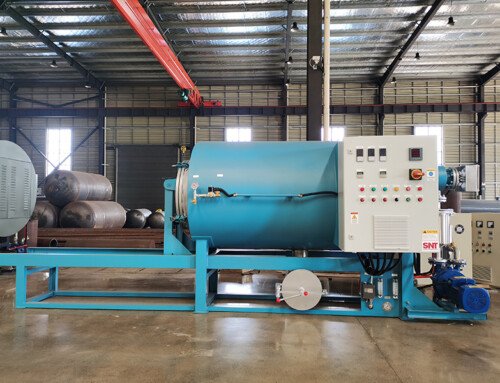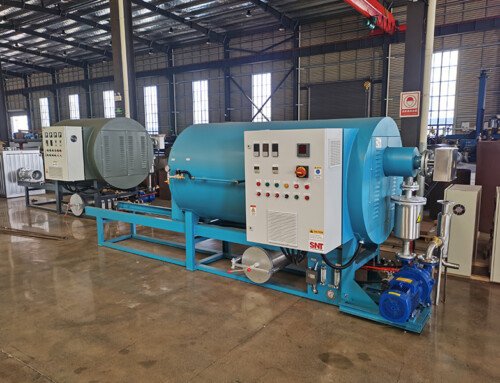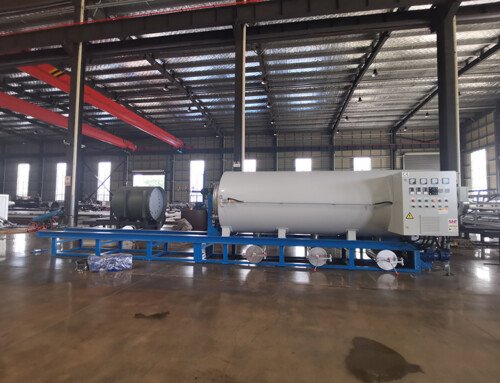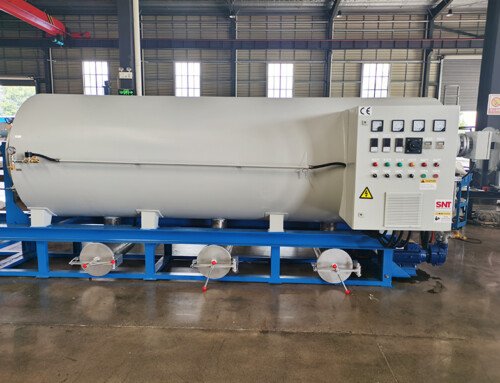
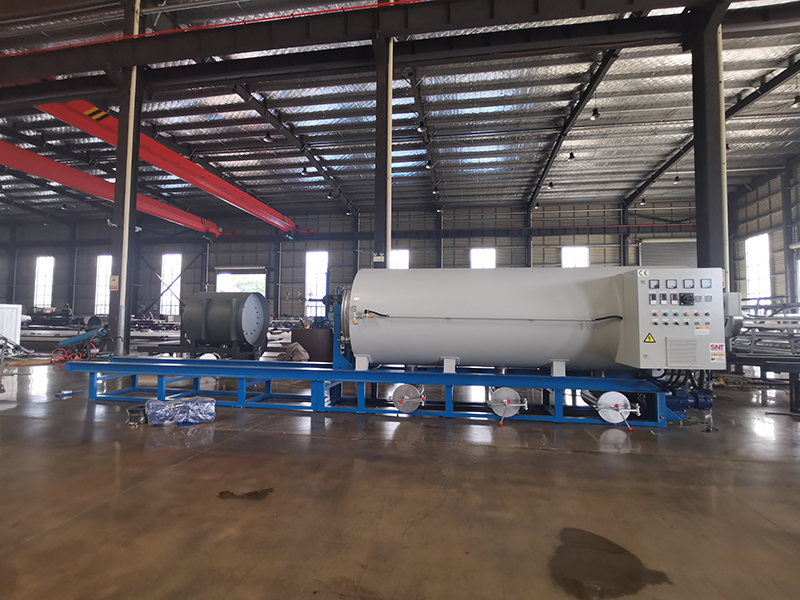
automatic burn off oven with plc temperature control
Thermal cleaning processes for removing organic residues from industrial tooling, molds, and production fixtures require extremely precise temperature regulation to avoid damaging base metal components while ensuring every layer of cured polymer, carbonized resin, and composite debris is fully decomposed. An automatic burn off oven integrated with PLC temperature control delivers consistent, repeatable thermal cycles that eliminate the inconsistencies introduced by manual operation, making it possible to process high-value precision tooling with near-zero risk of thermal deformation or incomplete residue removal. This level of process control has become a foundational requirement for modern manufacturing operations that rely on predictable, damage-free thermal cleaning for their critical production assets.
PLC-Driven Multi-Stage Temperature Profile Execution
The core advantage of PLC-integrated control lies in its ability to execute fully customized, multi-segment thermal cycles with exacting precision that cannot be reliably achieved with analog control systems. Each phase of the burn off process can be programmed with independent setpoints, ramp rates, and hold durations tailored to the specific type of residue and the metallurgical properties of the parts being cleaned. The system does not simply heat to a single fixed temperature and hold; it carefully progresses through each pre-defined stage, making micro-adjustments to heat output in real time to ensure the actual chamber temperature never deviates more than a tiny margin from the exact programmed value.
Slow, controlled initial temperature ramp prevents sudden thermal shock to loaded parts. During the first phase of the cycle, the PLC regulates heat input to raise chamber temperature at a steady, pre-programmed rate that avoids exposing cold tooling surfaces to sudden, extreme temperature spikes. This gradual heating ensures even very large, high-mass fixtures warm up uniformly across their entire structure, eliminating the internal thermal stress that can cause permanent warping or dimensional shift in precision machined components. This is especially critical for complex tooling with thick and thin sections that would naturally heat at different rates, as the controlled ramp gives every part of the load time to reach thermal equilibrium before pyrolysis begins.
Stable pyrolysis temperature hold maintains ideal conditions for complete residue breakdown without overheating. Once the target decomposition temperature is reached, the PLC continuously monitors feedback from multiple high-accuracy temperature sensors distributed across the chamber, adjusting burner or element output dozens of times per second to maintain a perfectly consistent setpoint. This keeps temperatures locked in the narrow optimal range where organic residues break down efficiently, while never climbing high enough to cause base metal oxidation, surface discoloration, or microstructural changes to the tooling. Even as the load decomposes residual material and releases stored heat, the control system compensates immediately to prevent unintended temperature drift.
Programmed post-pyrolysis cooling sequence eliminates uncontrolled thermal contraction risk. After all organic material is fully decomposed, the PLC manages the cool-down phase by adjusting exhaust damper positions, airflow rates, and residual heat input to bring chamber temperature down at a slow, uniform pace. This prevents hot tooling from being suddenly exposed to room temperature air, which would create uneven surface cooling and introduce residual stress that distorts critical precision reference surfaces. The entire process runs automatically without any operator intervention once the cycle is started, delivering identical thermal conditions for every single load processed.
Real-Time Process Monitoring and Safety Interlock Logic
Beyond precise temperature regulation, the PLC system continuously tracks dozens of additional process parameters across every phase of the burn off cycle, creating multiple layers of protection against unsafe operating conditions and process deviations. Every sensor reading is logged at high frequency, creating a complete, timestamped record of the full thermal profile for every load that passes through the system. This level of transparency is extremely valuable for facilities that need to maintain full process traceability for regulated industrial production workflows.
Distributed temperature sensing across multiple zones eliminates hot and cold spots. Instead of relying on a single temperature sensor near the heating element, the PLC pulls real-time data from sensors placed in different locations across the chamber work volume. If one zone begins to drift outside the acceptable tolerance band, the system automatically adjusts heat distribution to bring it back into alignment, ensuring no part of the load is exposed to temperatures outside the approved process window. This is particularly important for large chambers that process long, heavy fixtures spanning the full length of the work zone, where uneven heating could leave residues unprocessed in one area while overheating tooling in another.
Automatic emission management logic maintains safe, compliant operation throughout the cycle. The PLC tracks temperature readings from the afterburner section and adjusts secondary heat input and airflow rates to ensure volatile decomposition byproducts are fully oxidized at the required high temperature before being released through the exhaust stack. It also monitors smoke and particulate levels in real time, adjusting process parameters instantly if unexpected spikes in emission density are detected. This closed-loop adjustment eliminates the operator error that often leads to incomplete byproduct combustion during manual operation.
Multi-layer safety interlocks trigger immediate, controlled intervention if any abnormal condition is detected. If temperature exceeds pre-defined upper limits, pressure inside the chamber deviates from safe ranges, or any critical system component shows a fault signal, the PLC executes a pre-programmed safety sequence that cuts primary heat input, activates emergency ventilation, and locks the system into a safe state until the issue is resolved. All fault events are logged with exact timestamps, making it simple for maintenance teams to diagnose the root cause and prevent repeated incidents in future cycles.
Operational Workflow Integration and Long-Term Performance Stability
A PLC-controlled automatic burn off oven integrates seamlessly into broader industrial maintenance and production workflows, eliminating the need for dedicated full-time operator oversight during long thermal cleaning cycles. Once a load is placed inside and the correct cycle profile is selected, the system runs completely autonomously, sending automated alerts to operations teams only when the full cycle is complete or a non-critical adjustment is required. This frees up skilled personnel to focus on higher-value tasks instead of manually monitoring temperature gauges for hours on end.
Custom cycle profile storage lets operators save and recall optimized programs for every different type of tooling and residue combination processed in the facility. Once a perfect thermal profile is validated for a specific family of precision molds, composite layup tools, or production fixtures, it can be saved permanently in the system memory and reused for every future load of the same part type. This ensures every operator runs the exact same proven cycle parameters, eliminating the inconsistent results that come from different team members making manual adjustments to temperature and time settings.
Long-term calibration and performance verification is simplified through the system’s built-in data logging capabilities. Operations teams can pull historical cycle data to review temperature trends, confirm all process parameters stayed within approved limits, and schedule proactive maintenance before minor sensor drift develops into a noticeable performance issue. Over thousands of operating cycles, this level of consistent, data-driven control extends the usable service life of high-value industrial tooling, reduces rejected loads from incomplete cleaning, and creates a far more predictable, reliable thermal cleaning operation for the entire facility.