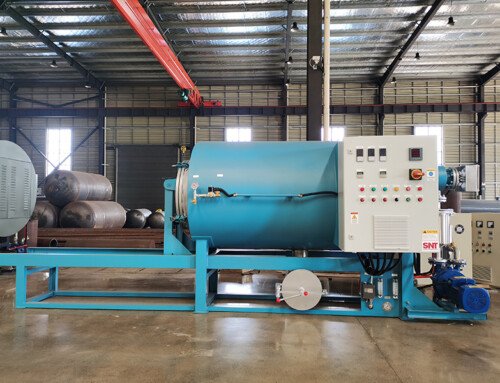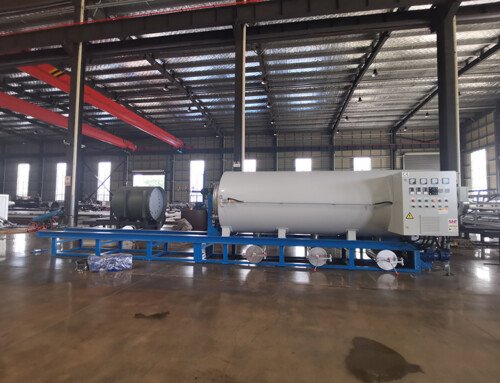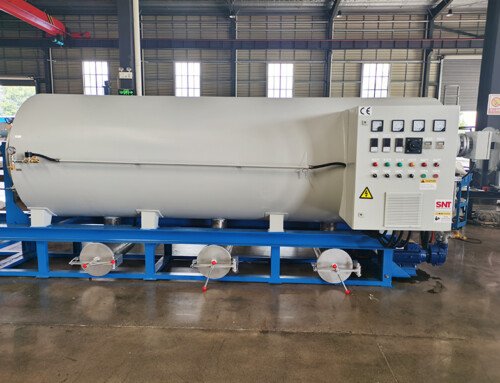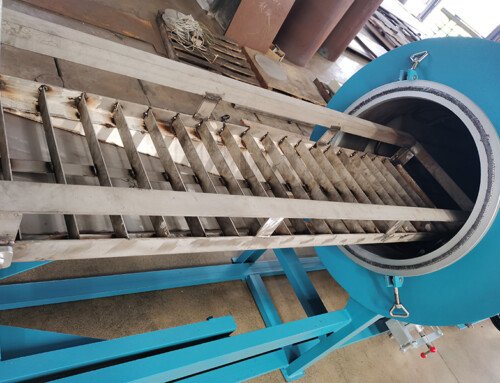
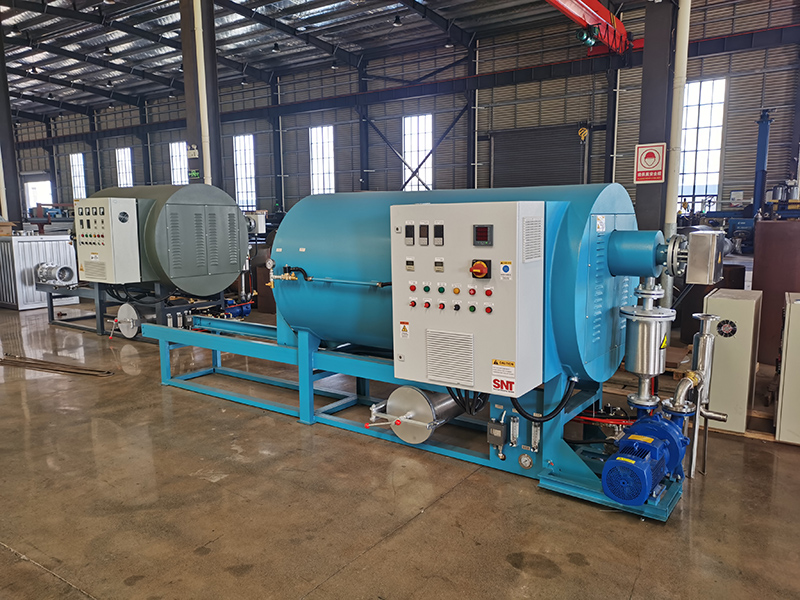
Small, high-precision tooling used across plastics processing, electronics manufacturing, and precision engineering operations often accumulates thin, stubborn layers of polymer, adhesive, and cured coating residue that are nearly impossible to remove with manual scrubbing or liquid solvent baths. A vertical burn off oven built specifically for small tooling cleaning uses compact, vertically oriented chamber space to process these components in controlled thermal cycles, stripping away organic contamination without the mechanical damage or dimensional drift that ruins the tight tolerances of finely machined parts. This type of system is especially well suited for operations that need to run frequent, small-batch cleaning cycles on high-value tooling, without dedicating floor space to large, oversized industrial cleaning equipment.
Vertical chamber layout advantages for small precision parts
The vertical orientation of these ovens creates unique operational benefits that make them far more practical for small tooling than horizontally configured thermal cleaning systems. The compact upright footprint fits easily into tight workshop spaces, and the vertical loading design lets operators hang or place small components on tiered, purpose-built racks that position every part to receive even, consistent heat exposure from all directions. This eliminates the flat contact points that can trap melted residue against part surfaces in horizontal tray setups, ensuring no hidden pockets of leftover contamination remain on small, complex shaped parts. The vertical airflow routing inside the chamber also pulls melted, liquefied residue downward and away from heated components, so there is no chance of dripped material re-solidifying back onto clean tooling surfaces mid-cycle. This layout is optimized to process small, densely packed batches of parts without creating uneven cleaning results across different locations inside the chamber.
Low-stress thermal cycles for delicate small tooling
Many small precision tools are manufactured with thin wall sections, sharp machined edges, and tight dimensional tolerances that can warp or degrade if exposed to uncontrolled, rapid temperature spikes. The process cycles used in vertical burn off ovens for this application are built around slow, gradual heat ramps that give small metal components time to expand and contract uniformly, eliminating the thermal stress that causes micro-deformation. The low-oxygen environment maintained inside the sealed chamber prevents excessive oxidation and surface discoloration on finely polished tooling surfaces, so parts come out of the cycle with their original surface finish completely preserved. Operators can also program custom, part-specific cycle profiles that adjust peak temperature and hold time to match the exact material properties of each batch, so even very small, thin, or heat-sensitive tooling can be cleaned safely without any loss of dimensional accuracy.
Operational efficiency for frequent small-batch workflows
Facilities that run regular, ongoing small tooling cleaning cycles benefit greatly from the practical, workflow-friendly design of these vertical systems. The short heat-up and cool-down periods reduce total cycle time compared to larger industrial ovens, so small batches of tooling can be cleaned and returned to production in a fraction of the time required by alternative cleaning methods. The self-contained vertical structure also requires minimal extra supporting infrastructure, and the integrated afterburner stage fully breaks down all volatile organic compounds released during the thermal decomposition process, so no special exhaust treatment modifications are needed for most standard workshop ventilation setups. Routine maintenance is also simplified, since all accessible internal components are arranged along the vertical chamber axis, making it easy to periodically clear out collected residual ash and inspect heating elements without extensive disassembly work. This combination of compact design, gentle part handling, and low operational overhead makes these systems a practical, reliable choice for any operation that needs consistent, repeatable cleaning results for high-value small precision tooling.