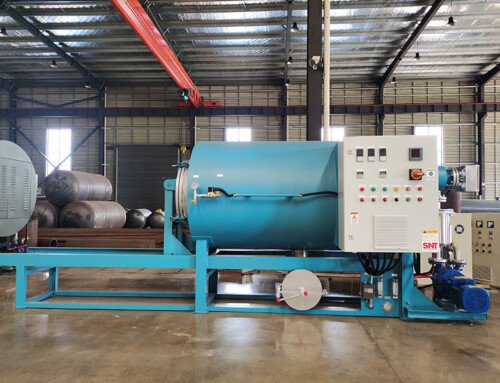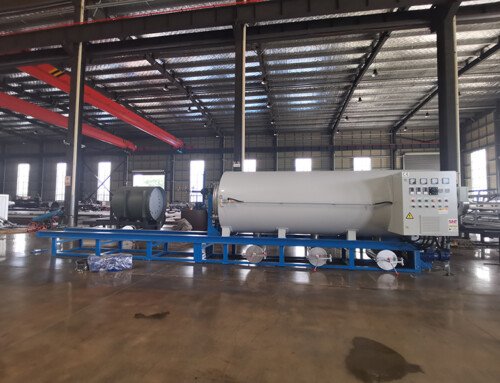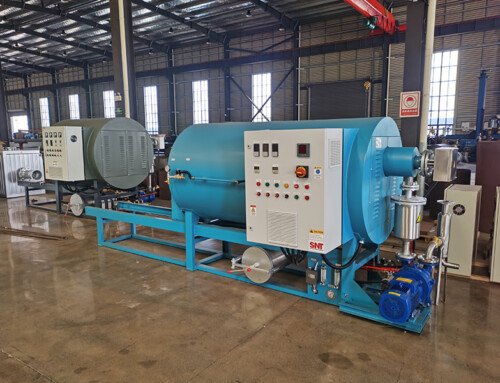
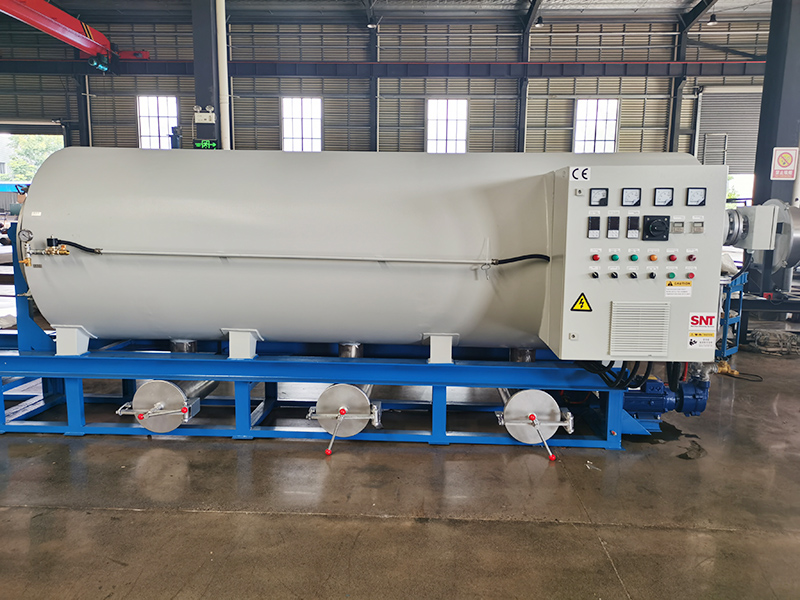
Automatic shutdown events in a screw cleaning furnace almost always stem from built-in safety protection mechanisms that activate to prevent equipment damage, process disruption, or unsafe operating conditions. These unplanned stops rarely occur without identifiable preconditions, and a structured analysis of system behavior before shutdown can quickly point operators to the root cause. Every part of the furnace’s thermal, vacuum, and mechanical systems contributes to continuous operation, and deviations from normal parameters will trigger a protective stop to avoid cascading failures.
Thermal system related shutdown triggers
Abnormal temperature readings are one of the most frequent causes of automatic shutdown during the cleaning cycle. If heating elements push internal temperatures beyond the preset upper safety limit, the control system cuts power immediately to prevent overheating of the screw, filter mesh, or other components inside the chamber. A sustained temperature drop that falls far below the programmed process curve for an extended period can also trigger a shutdown alert, as this indicates a failure that prevents the cleaning process from completing as intended. Even uneven temperature distribution across different zones of the chamber can activate interlock logic, stopping operation to avoid inconsistent cleaning results or localized overheating damage.
Vacuum system interlock activation
Stable vacuum pressure is a core requirement for consistent, safe operation of a screw cleaning furnace, and unexpected deviations will trigger automatic shutdown. If the system cannot maintain the required vacuum level within a specified time window after the heating sequence starts, the control unit will halt the process to prevent unplanned oxidation or residue recontamination on the workpiece. Sudden unexpected pressure spikes that break the vacuum seal mid-cycle also trigger immediate shutdown, as these conditions can create unsafe operating states that violate the process’s predefined safety boundaries. Blocked exhaust pathways, degraded sealing performance, or abnormal vacuum pump operation are the most common underlying issues that lead to these vacuum-related shutdown events.
Mechanical and motion system fault responses
Automatic shutdown can also be triggered by abnormal conditions in the furnace’s internal motion or drive components. If the rotation mechanism that supports the screw during cleaning encounters unexpected resistance, current draw will rise beyond the allowable threshold, prompting the system to stop to protect the drive motor and prevent mechanical jamming. Misaligned positioning, unexpected foreign debris inside the chamber, or insufficient lubrication on moving tracks can all create this kind of abnormal load. The control system will lock out operation until the fault is acknowledged and cleared, ensuring no further attempt to run the cycle before the underlying mechanical issue is resolved.
Electrical and control logic related shutdown events
Unstable incoming power supply, loose electrical connections, or momentary signal loss can all trigger an unplanned automatic shutdown even when process parameters appear normal. Many modern systems are programmed to stop immediately when they detect inconsistent signal feedback from multiple sensors, as this indicates a potential loss of control over critical process variables. Overload protection on main power loops will also activate under unexpected current surge conditions, cutting power to the entire system to prevent electrical component damage. These shutdown events often leave subtle diagnostic traces in the system’s event log, which can be reviewed to pinpoint the exact moment and condition that initiated the protective stop.