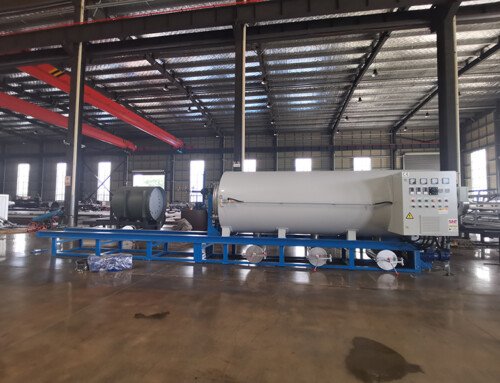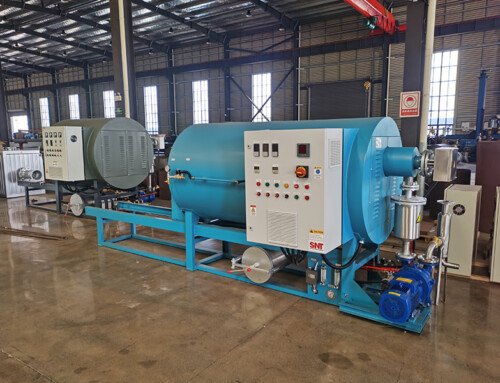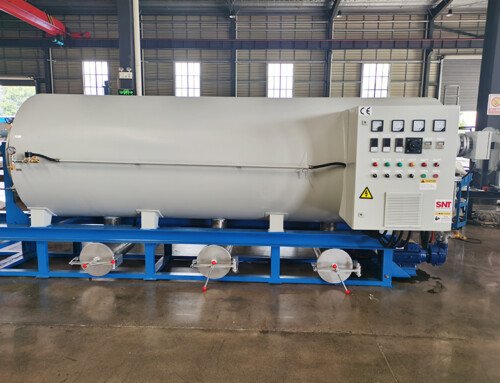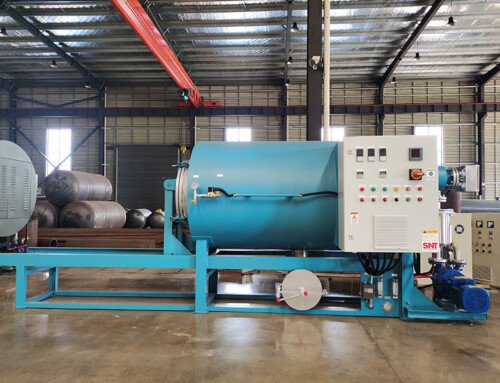
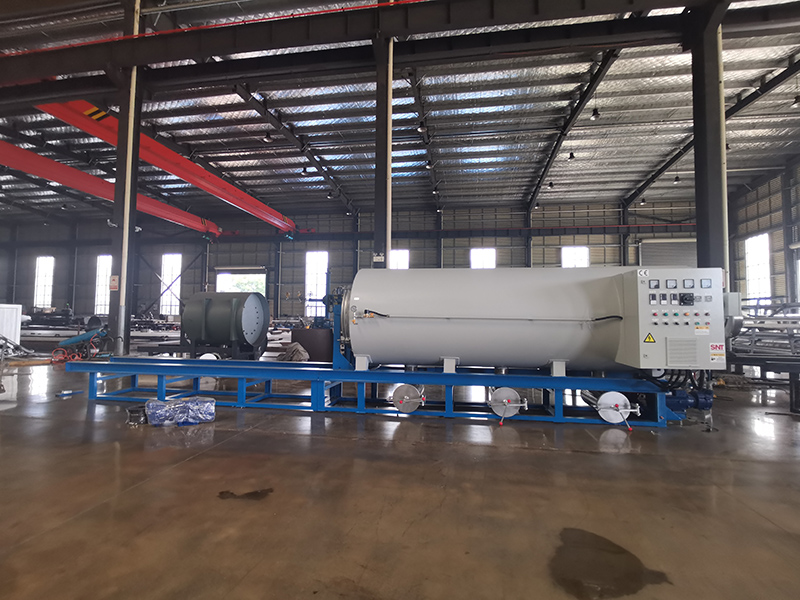
Ash buildup inside the screw cleaning furnace is one of the most common yet easily overlooked causes of unexpected operational faults that disrupt normal processing cycles. Over repeated heating and cooling runs, fine particulate residues, incomplete combustion byproducts, and tiny fragments of decomposed polymer gradually accumulate on inner chamber walls, heat exchange surfaces, air flow ducts, and around critical sealing components. These layers of accumulated ash do not just block smooth air circulation; they also create uneven heat distribution, force the system to consume extra energy to reach target temperatures, and eventually trigger cascading performance issues that can lead to unplanned full shutdowns.
Many operators mistake early ash-related symptoms for general system wear or minor control glitches, delaying targeted maintenance until the fault becomes severe enough to interrupt production. Subtle signs such as slower temperature rise than usual, unexpected fluctuations in internal chamber pressure, or faint unusual noises from the air circulation fan are often the first clear warnings that ash buildup has begun interfering with normal operation. Catching these signals early helps prevent small, manageable issues from developing into costly, time-consuming breakdowns that affect entire production schedules.
Pre-Inspection and Safety Lockout Procedures
Before opening any access panels to inspect ash-related conditions, complete a full lockout and tagout process for all connected power, heating, and air supply lines to eliminate any risk of accidental system activation during inspection. Allow the entire furnace structure to cool down completely to a temperature that is safe for manual contact, as trapped residual heat inside thick layers of ash can remain for hours even after the system appears to have stopped running. Never attempt to perform internal inspection while the furnace is still warm, as loose hot ash particles can be dislodged and create burn hazards.
Start the initial assessment by checking external system performance records first, to map out exactly when abnormal operational behavior first appeared. Note down historical data including temperature rise time deviations, pressure reading changes, and any recent instances where safety interlocks triggered unexpectedly. This background information helps narrow down which sections of the furnace are most likely to hold heavy ash deposits, before you even open the first access panel.
Inspect all external air intake and exhaust openings for visible blockages, and check the condition of surrounding ventilation paths that feed fresh air into the system. Confirm that no loose debris has accumulated around fan inlets or outlet vents, as external blockages can create backpressure that pushes ash deeper into internal ductwork and worsens buildup inside the main chamber. Document every observed abnormality with clear photos, so you can compare these records against the state of the system after maintenance work is completed.
Targeted Ash Removal and Fault Resolution
Begin the physical cleaning process by carefully opening the main chamber access panel, and use a high-suction industrial vacuum fitted with a fine particulate filter to remove loose, dry ash from all accessible inner surfaces. Work slowly from the top of the chamber downward, so dislodged ash particles fall toward the open access area instead of drifting deeper into narrow, hard-to-reach duct sections. Pay extra attention to gaps around heating elements, circulation fan blades, and pressure sensor ports, where fine ash often accumulates and disrupts normal readings or airflow.
For thicker, hardened ash layers that do not lift easily with vacuum suction, use soft non-abrasive brushing tools to gently loosen deposits without scratching or damaging the underlying metal surfaces. Scratches left by harsh cleaning tools can become new rough spots where ash will stick even more quickly in future operating cycles, accelerating the return of the same fault conditions. After brushing each section, immediately vacuum up all dislodged particles to prevent them from settling back onto already cleaned areas.
Once all visible ash deposits are fully removed, inspect every component that showed abnormal readings during your pre-inspection assessment. Check circulation fan blades for balance issues caused by uneven ash buildup, verify that pressure sensor ports are completely clear of blockages, and confirm that all heat exchange surfaces are free of insulating ash layers that would reduce heat transfer efficiency. Clear any residual ash from sealing surfaces around access panels, then re-seal all openings properly to ensure no unfiltered air leaks can pull new particulate matter into the chamber during future operation.
Post-Cleaning Functional Verification and Preventive Measures
After all cleaning and reassembly work is complete, perform a full pressure test across the entire furnace chamber and connected ductwork to confirm that airflow paths are fully clear and internal pressure readings return to their normal stable range. Run the system through a low-temperature test cycle first, monitoring temperature rise speed, fan operation smoothness, and exhaust flow consistency at every step. Watch for any previously observed abnormal fluctuations or unusual noises that might indicate leftover hidden ash deposits still interfering with normal function.
Gradually bring the system up to its standard operating temperature range, and hold it at that level for an extended period to confirm heat distribution remains uniform across all sections of the chamber. Verify that all temperature sensors, pressure monitors, and safety interlocks provide stable, accurate readings throughout the full heating cycle, with no unexpected triggering or drift that was present before ash removal. Document all post-recovery performance data in your maintenance log, creating a clear baseline for future operational reference.
Establish a regular recurring inspection schedule tailored to the intensity of your furnace’s daily usage, to catch early ash buildup before it reaches levels that cause operational faults. Track ash accumulation rates over multiple operating cycles, so you can adjust inspection and cleaning intervals to match the specific conditions of your working environment. This consistent proactive monitoring prevents unexpected ash-related faults from disrupting production, and helps the system maintain stable, efficient performance across its entire service life.