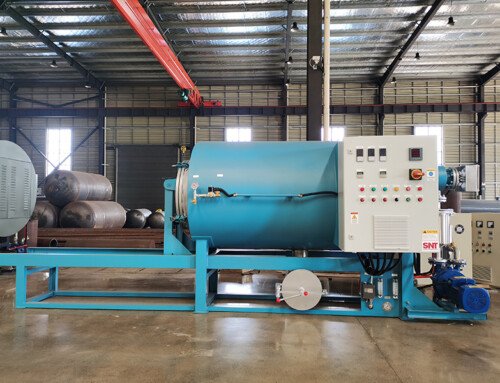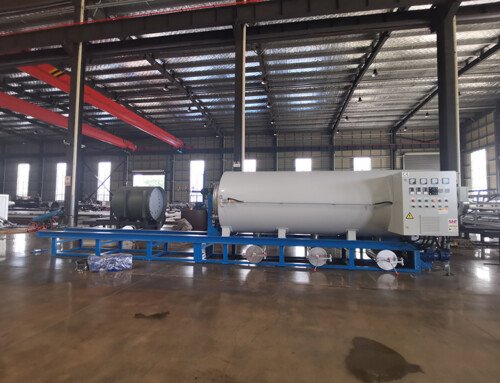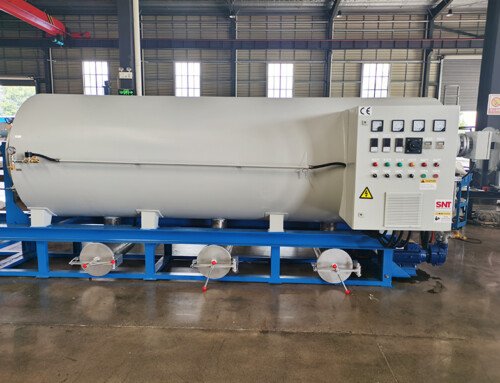
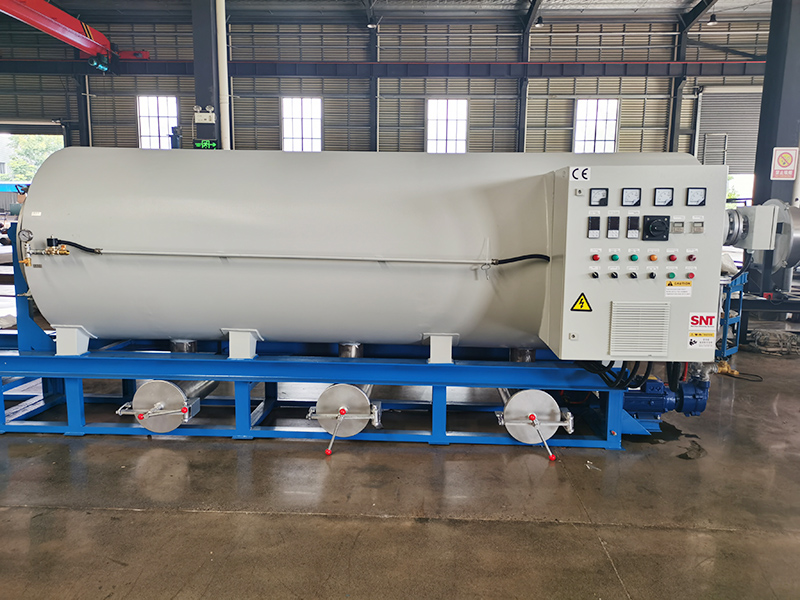
In high-volume die casting operations, fixtures, tool holders, and auxiliary tooling quickly build up layers of overspray paint, release agent residue, and baked-on organic contaminants that are almost impossible to remove with standard manual cleaning methods. Over repeated production runs, these layers thicken, build up in alignment slots, and interfere with precise part positioning, leading to misaligned castings, inconsistent surface quality, and unplanned downtime as teams struggle to scrape off stubborn residue. A burn off oven purpose-built for this kind of industrial surface treatment removes all accumulated paint and organic buildup completely, without the labor-intensive work, chemical exposure, and tool damage risks that come with older cleaning workflows.
Low-oxygen thermal breakdown for complete paint and coating removal
The process works by heating the die casting fixtures in a carefully controlled, low-oxygen environment, raising the temperature gradually to break down every layer of paint, release agent, and bonded organic residue into harmless, easily removable byproducts. There is no open flame that can warp the tooling, no harsh chemical solvents that require special disposal, and no abrasive media that can scratch or wear down critical locating surfaces. Even thick, multi-layer paint buildup that has been baked on through dozens of high-temperature die casting cycles will break down evenly, leaving the underlying metal fixture completely clean and undamaged.
This method is especially effective for complex die casting fixtures that have narrow slots, threaded holes, and intricate geometry that traps paint residue in places no brush or scraper can easily reach. Every hidden crevice and hard-to-access section gets fully cleaned, so no leftover contaminant is left to flake off and ruin a casting surface during production. Unlike spotty manual cleaning that often leaves small hidden patches of old paint behind, the thermal process treats the entire fixture uniformly, for complete, predictable results every single cycle.
Reduced labor risk and consistent cleaning turnaround
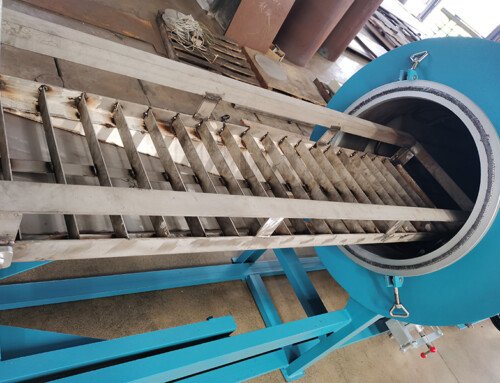
Before switching to this thermal cleaning method, most die casting teams spend hours every week having technicians manually scrape, scrub, and soak fixtures to remove stubborn paint buildup. This work exposes staff to sharp tool edges, harsh chemical fumes, and repetitive motion strain that adds up to unnecessary workplace risk over time. The burn off oven workflow eliminates almost all that hands-on labor: you simply load the fixtures into the chamber, start the pre-programmed cycle, and the system runs fully automatically through heating, decomposition, and cool down, no constant operator supervision required.
This also creates a fully predictable turnaround time that you can build directly into your die casting production scheduling. You will never again have situations where a critical fixture is stuck in cleaning for hours longer than expected, holding up an entire production batch. The fixed, repeatable cycle length lets you plan cleaning batches around your shift schedule, so clean, ready-to-use fixtures are always available exactly when your production team needs them.
Preserving fixture precision and extending service life
One of the most underrated benefits of this thermal cleaning approach is how gently it treats the critical precision features on your die casting fixtures. Manual scraping, abrasive blasting, and harsh chemical soaking all introduce small, cumulative damage over time: locating pins get worn down, alignment slots get widened, and smooth mounting surfaces get scratched. After a handful of cleaning cycles, that small damage adds up to noticeable positioning errors that create inconsistent cast parts.
With the burn off oven process, the underlying metal fixture never gets exposed to anything that can alter its original dimensions or precision. All the paint and organic residue breaks away completely, leaving the original machined surface, locating features, and threaded holes in perfect, factory-like condition. After the cycle finishes and the fixture cools, all that is left is a light, fine layer of ash that wipes away in seconds with a soft cloth or low-pressure air blast. No extra post-processing work is needed, and the fixture goes straight back into production with all its original geometric precision fully intact. Over months of repeated use, this drastically extends the usable service life of every die casting fixture in your workshop, reducing unexpected positioning errors and cutting down on the frequency you need to replace worn tooling.