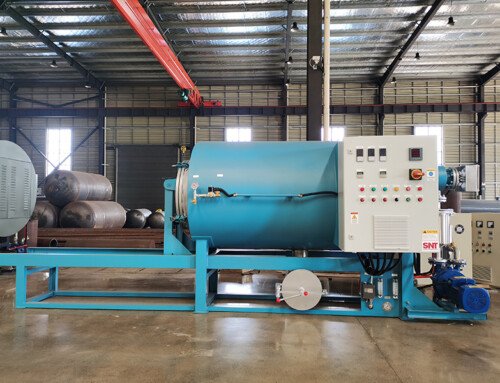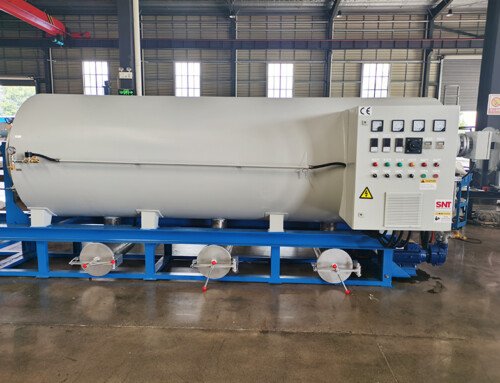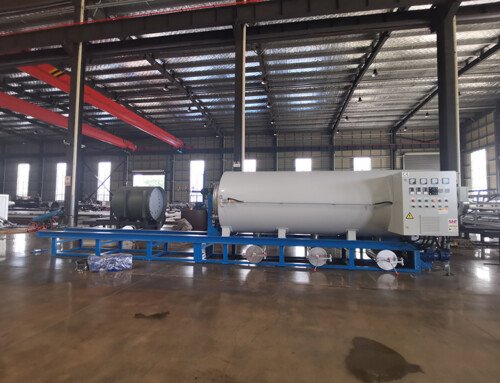
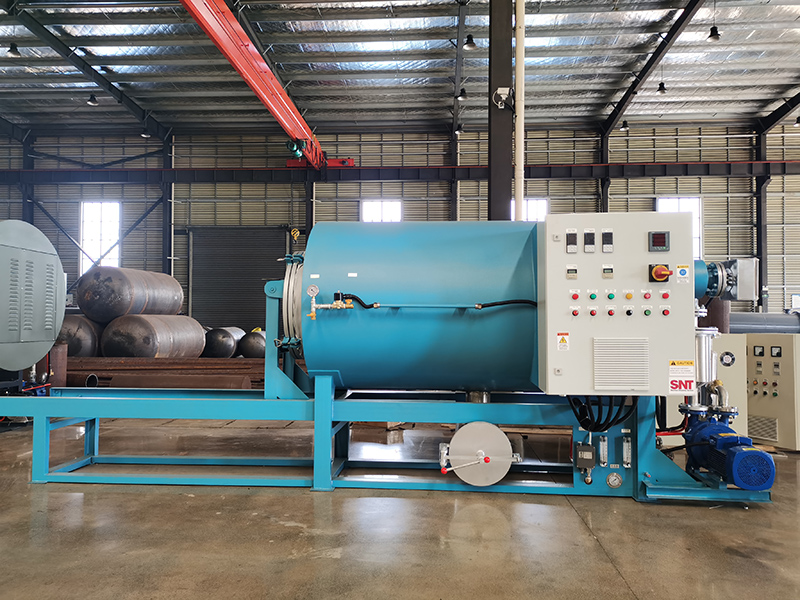
When you run blow molding operations, you know that residual polymer buildup on dies is one of the most persistent sources of unplanned downtime. Over hundreds of production cycles, melted plastic seeps into tiny gaps, vent holes, and fine texture details on the die surface, building up into a hard, stubborn layer that cannot be wiped away with standard manual cleaning methods. If left unaddressed, this buildup creates uneven part walls, surface defects, and inconsistent finished parts that force you to pull the die off the line far earlier than planned. A burn off oven built for this specific cleaning task removes all that accumulated organic material completely, without the labor, damage risk, and harsh chemical waste that comes with older cleaning methods.
Controlled thermal decomposition for thorough polymer removal
The core of this cleaning process relies on carefully managed low-oxygen heat, which breaks down residual plastic and polymer into harmless gaseous byproducts instead of forcing you to scrape or dissolve it off the die surface. You place the entire blow molding die inside the chamber, seal it, and let the system gradually raise the temperature to a level that turns all accumulated organic material into vapor, without ever exposing the die metal to direct flame or sudden extreme temperature spikes. This slow, controlled heating cycle ensures even the thinnest, most trapped layers of polymer in vent slots, engraved textures, and narrow flow paths break down completely, leaving no sticky residue behind.
Unlike aggressive manual scraping or abrasive blasting, this process does not risk scratching the critical sealing surfaces, distorting fine alignment pins, or wearing down the carefully polished finish that defines the final part quality. Many blow molding teams that switch to this method find that their dies stay in serviceable condition far longer, because they are no longer introducing small, cumulative surface damage during every single cleaning cycle.
Cycle stability that fits into production changeover schedules
A well-calibrated burn off oven cleaning cycle runs in a predictable, repeatable timeframe that you can build directly into your existing production changeover workflow. When you pull a die off the line to switch to a new part design, you can load it into the chamber, start the cycle, and walk away to handle other critical tasks like prepping the new material, adjusting line settings, or doing routine maintenance on extruder components. The system runs fully automatically through the entire heating, decomposition, and cool down sequence, so you do not need to assign a dedicated operator to monitor it through every step.
This predictable cycle time eliminates the huge variable that comes with manual cleaning, where two different technicians can spend wildly different amounts of time getting the same die back to a usable condition. Over weeks of operation, that consistency cuts down on unplanned line waiting time, because you always know exactly when a cleaned die will be ready to go back into production. You no longer have to keep large numbers of spare dies on hand just to make up for long, unpredictable cleaning turnaround times.
Post-cleaning handling and long term die performance protection
Once the cycle completes and the die cools down to a safe handling temperature, almost all the residual polymer will have been completely broken down, leaving only a small amount of fine, harmless inorganic ash on the metal surface. You can wipe this remaining light ash away very easily with a soft cloth or gentle air blast, no heavy scraping, harsh chemical soaking, or abrasive media blasting required. This minimal post-cleaning work takes only a few minutes, and the die comes out ready for inspection, reassembly, and immediate reinstallation back on the production line.
Teams that use this method consistently notice that their dies maintain their original precision and surface finish for far more production cycles, because every cleaning step avoids the small, gradual wear that traditional methods introduce. The fine vent holes that are so easy to damage with manual picks stay open and perfectly shaped, the polished cavity surfaces stay smooth, and the alignment features that keep two die halves perfectly matched never get worn or distorted. Over the long run, this not only reduces part defect rates, it also extends the usable service life of every blow molding die in your workshop.