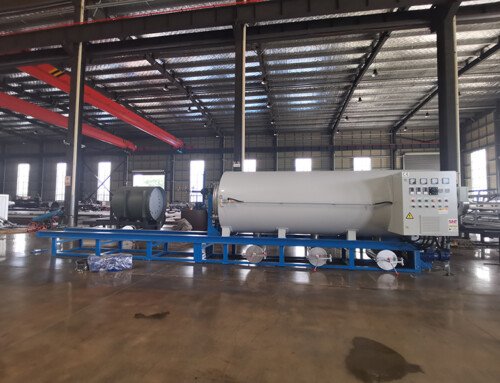
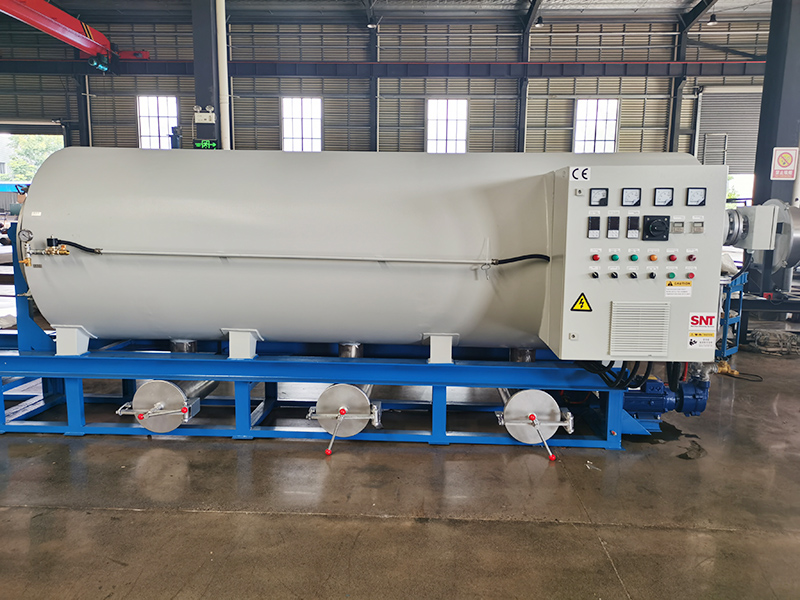
When your screw cleaning furnace needs to run unattended through the overnight shift, even tiny overlooked details can lead to material degradation, unexpected equipment faults or hidden safety hazards that no on-site staff can address in time. A clear, actionable unattended operation rule set helps you avoid unplanned morning downtime and keep the equipment running steadily through the whole night.
Pre-shift full system check before leaving the site
Before the day shift team signs off and leaves the workshop, carry out a full walkthrough check of every key part of the equipment. Confirm all residual materials inside the barrel have been properly purged or replaced with stable transition material that will not break down easily under sustained low heat. Double check that no leftover carbonized fragments are stuck in the screw flight gaps or die head flow channels, as these hidden residues will keep accumulating and overheat during long unattended operation. Lock the feeding hopper inlet with a sealed protective cover, to stop floating dust or tiny foreign particles from falling into the barrel and causing unexpected blockages overnight.
Parameter calibration for unattended overnight operation
Adjust the temperature of all heating zones to a safe, stable maintenance range, do not keep the full high production temperature running for the whole night. Set the screw rotation speed to an ultra-low steady level below 15 revolutions per minute, to keep the residual material flowing slowly without generating extra unnecessary shear heat. Confirm the system pressure stays at a very low safe threshold, and set the upper pressure limit alarm to trigger immediately if the internal pressure rises beyond the preset safe range. Make sure all temperature sensors are properly calibrated, so the real-time temperature readings can accurately reflect the actual heat condition inside every section of the barrel.
Remote monitoring and alarm configuration setup
Activate all built-in safety alarm functions before you leave the workshop, including over-temperature alert, over-pressure alert and abnormal rotation speed alert. Connect the equipment alarm system to the on-duty staff’s remote notification device, so any abnormal signal can be sent out immediately even when no one is physically near the machine. Assign a dedicated on-duty team member to check the equipment’s remote operation data at least once every two hours through the whole night, and keep a clear log of every check record. Set a scheduled automatic short rotation refresh program, which will run a small volume of slow extrusion once every 90 minutes, to prevent the residual melt from staying completely static and forming new carbon deposits.
Site safety protection before unattended hours
Clear all flammable materials, leftover cleaning cloths and scattered plastic fragments within 2 meters around the screw cleaning furnace. Confirm all fire protection devices in the workshop are in normal working condition, and no hidden fire hazards are left near the equipment heating zones. Lock the workshop access door properly, and make sure no unrelated personnel can enter the operation area and touch the running equipment by accident. Place a marked warning sign on the equipment control panel, to clearly indicate that the furnace is running in unattended overnight mode, and no unauthorized operation is allowed.
Handover and post-night-shift verification process
When the night shift on-duty staff takes over the management of the equipment, they need to confirm all alarm functions are working normally, and record the initial temperature, rotation speed and pressure data in the handover log. Before the day shift team returns to the workshop in the morning, do not make any unauthorized parameter adjustments or restart full production without a full pre-startup check. After the day shift staff arrives on site, first check the full operation log from the overnight period, then inspect the screw surface and extrude a small amount of material to confirm no unexpected degradation or impurity buildup happened during the unattended hours. Only after all parameters are verified to be normal and the extruded material shows a uniform clean appearance can you start the formal production process for the new day.
Emergency response rule for unattended anomalies
Make a clear pre-set emergency plan for any possible abnormal situation that may happen overnight. If the over-temperature alarm is triggered, the system will automatically cut off the heating power and keep the screw running at low speed to dissipate extra heat slowly. If the over-pressure alarm goes off, the system will automatically reduce the screw rotation speed to the lowest safe level, and send a notification to the on-duty staff immediately. The on-duty team must keep the workshop contact line open 24 hours, and arrive at the site within 15 minutes once any critical alarm signal is received, to handle the anomaly before it develops into a bigger equipment fault or safety accident.