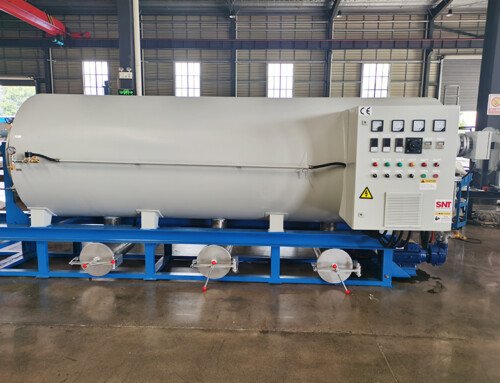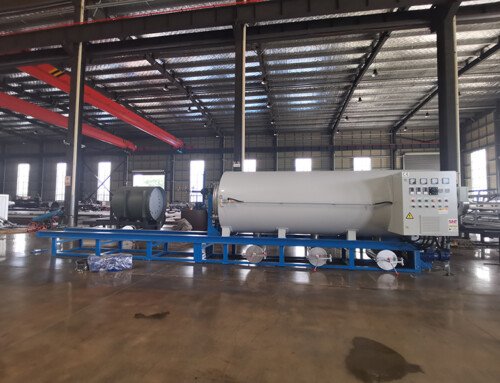
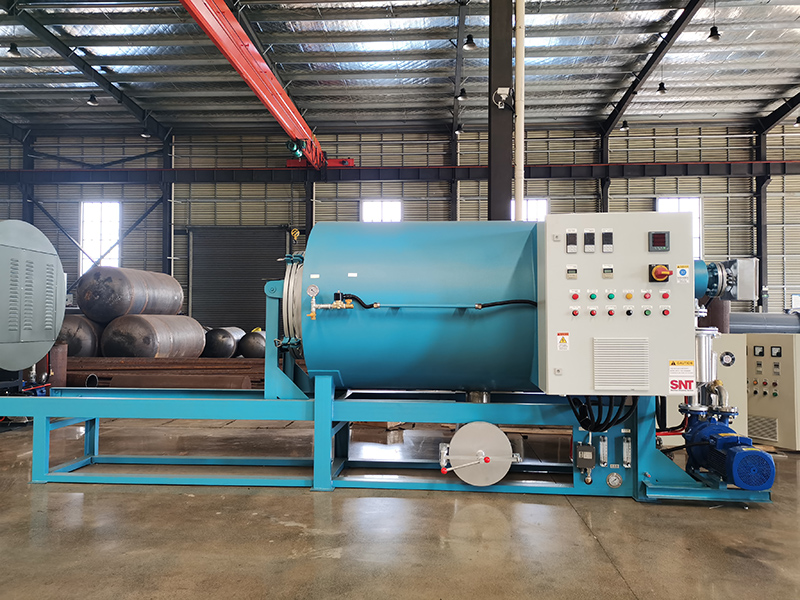
Seasonal maintenance for screw cleaning furnaces is a critical routine that prevents unexpected performance drops, extends equipment service life, and ensures consistent cleaning results as ambient temperatures and production demands shift across different times of the year. Many facilities overlook targeted seasonal care, leading to issues like uneven heating, extended cleaning cycle times, and unplanned downtime that disrupts scheduled production runs. A structured, step-by-step seasonal care routine addresses the unique stressors that accumulate during months of continuous operation, and prepares the unit to run reliably through the upcoming season.
Pre-Maintenance System Shutdown and Safety Preparation
Before any hands-on seasonal work begins, follow a strict sequence to eliminate all operational hazards for maintenance staff. First, confirm the furnace has completed its full cool-down cycle, with internal chamber temperature dropping below 40 degrees Celsius, and lock out all main power connections with a clearly visible lockout tag to prevent accidental power activation during work. Release all residual pressure from the internal processing chamber and connected exhaust lines, and confirm vacuum gauges read at full atmospheric pressure before opening any access panels. Wear heat-resistant gloves, safety goggles, and non-slip work boots for all inspection and cleaning steps, and ensure the surrounding work area is clear of flammable materials, with proper ventilation running to clear any faint residual fumes left from previous cleaning cycles. Document all baseline readings including current vacuum pump performance, average cycle duration, and recent temperature deviation logs before starting any adjustments, to create a clear reference point for post-maintenance testing.
Deep Component Inspection and Seasonal Adjustment
Focus on high-wear and high-accuracy parts that are most affected by seasonal shifts in temperature and humidity. Start by checking all door seals and gaskets, wiping away accumulated residual debris, and inspecting for minor cracks, permanent deformation, or hardening that can cause vacuum leaks as outdoor temperatures swing. Inspect all heating element surfaces, brushing away any fine accumulated ash or residual polymer buildup that can cause uneven heat distribution during the next season’s operation, and check for signs of oxidation or warping on element surfaces. Move to the vacuum system, checking all connected lines for loose fittings, and replace vacuum pump oil if the unit has run more than 500 hours since the last oil change, ensuring the oil level sits within the marked safe range on the pump sight glass. Calibrate all internal temperature sensors to confirm readings stay within a 1-degree accuracy range, and clear any accumulated dust from cooling fan blades and ventilation grilles to prevent overheating during the upcoming season’s high-temperature operation periods. Check all moving parts on the door hinge and locking mechanism, applying a small amount of high-temperature resistant lubricant to ensure smooth, tight sealing every time the door closes.
Post-Maintenance Test Run and Performance Validation
Once all inspection and adjustment steps are complete, run a full no-load test cycle to confirm every part of the system works as intended before putting it back into regular production. Close and lock the furnace door, start the vacuum pump, and track the time it takes to pull the chamber down to the target operating vacuum level, comparing this reading to the baseline log taken before maintenance to spot any hidden leaks that were not visible during visual inspection. Run a full standard heating cycle, recording temperature readings at multiple points inside the chamber at set 10-minute intervals, to confirm heat distributes evenly across the entire internal workspace. Check all safety interlock features, including over-temperature shutdown protection and low vacuum alert triggers, to confirm they activate correctly when test conditions meet their pre-set thresholds. Save all new performance logs to the equipment’s maintenance record, and note any minor wear items that will need attention during the next seasonal check, to avoid unexpected issues partway through the next operating season.
This seasonal care routine also helps reduce long-term energy consumption, as a properly calibrated and well-maintained unit uses far less power to complete each full cleaning cycle. It prevents small, unaddressed issues from developing into major component failures that require lengthy, costly repairs, and ensures consistent, reliable cleaning results for all screw and industrial parts processed through the unit. Regular, structured seasonal upkeep keeps the furnace running at peak performance year-round, even as external weather conditions and production workloads change dramatically across different seasons.