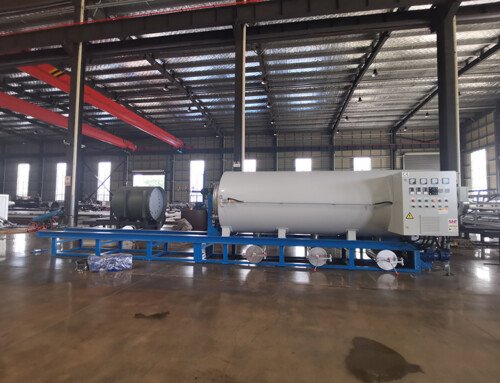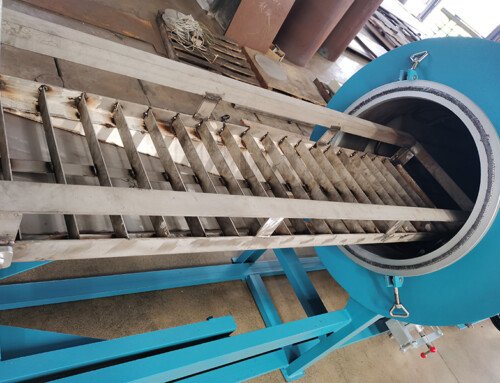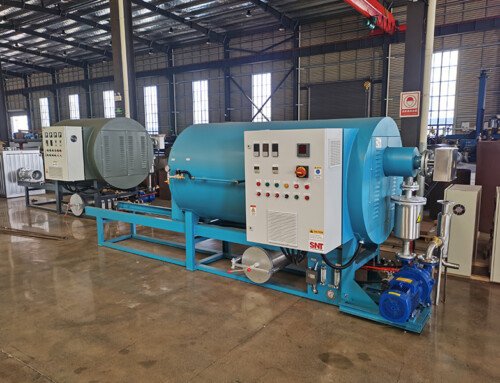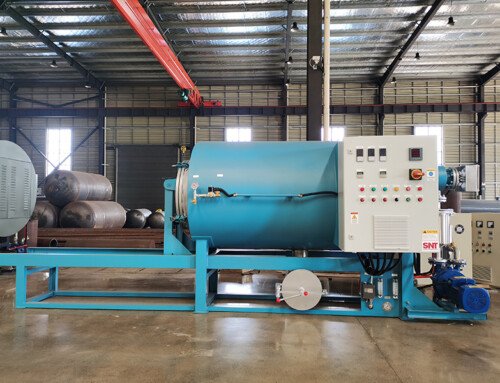
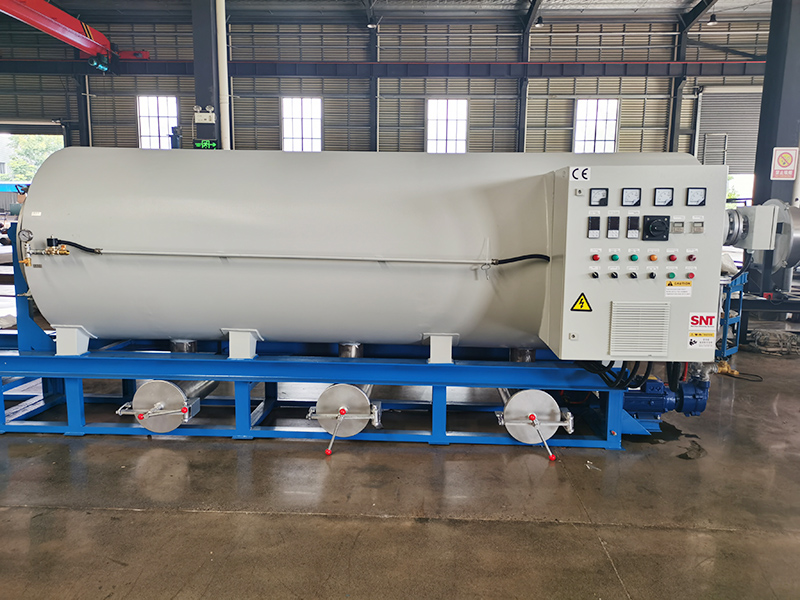
Burn off oven processing for plastic buildup removal from tooling is a controlled, heat-based cleaning method that breaks down hardened polymer residue without the mechanical scraping, harsh chemical soaking, or open-flame burning that can easily damage precision machined tool surfaces. Over repeated production cycles, melted plastic seeps into tiny vent gaps, mold parting lines, and intricate cooling channel grooves, building up layer after layer of hard, caked-on residue that degrades part quality, slows cycle times, and forces frequent unplanned production stops. This thermal cleaning process eliminates that trapped residue completely, while preserving the exact dimensional tolerances and fine surface finish that production teams rely on to make consistent, high-quality finished parts.
Controlled low-temperature pyrolysis phase
The full cleaning cycle starts with a slow, carefully ramped low-temperature pyrolysis stage, where the oven chamber is held at a precisely calibrated heat level in an oxygen-reduced environment. This gradual heating softens the plastic buildup first, before breaking down the long polymer molecular chains into low-volatility gaseous byproducts, rather than triggering sudden, uncontrolled combustion that can create hot spots on the tool surface. The process control system monitors internal chamber conditions in real time, adjusting temperature and airflow to make sure every section of the tool, even deep inside narrow, complex internal passages, reaches the same consistent cleaning temperature. This prevents uneven thermal expansion that could warp high-precision tooling, and stops localized overheating that would soften or discolor the tool’s hardened surface treatment.
Residue oxidation and emission treatment stage
Once the bulk of the thick plastic buildup has been broken down into light, brittle ash, the oven carefully introduces a small, regulated amount of fresh air into the chamber to oxidize any remaining thin residual polymer layers. This stage runs at a slightly elevated but still tightly controlled temperature, so even thin, stubborn films of plastic residue that were not fully broken down in the pyrolysis phase are converted into fine, dry, easily removable ash. All gaseous byproducts pulled out of the cleaning chamber flow directly into a high-temperature afterburner, where they are fully incinerated before being released, eliminating visible smoke and volatile organic compound output that would fail local environmental emission standards. No messy waste water or hazardous chemical byproducts are generated during this entire phase, so post-cycle cleanup work stays minimal and far safer for shop floor staff.
Uniform cooling and post-cycle tool handling
After the full thermal cleaning sequence finishes, the tooling stays inside the sealed oven chamber to cool down slowly and evenly, rather than being pulled out immediately to cool in open shop air. This gradual, controlled cool-down prevents rapid thermal shock that could create micro-cracks in hardened tool steel, or cause uneven surface oxidation that would ruin the fine polished finish on mold cavity faces. Once the tool reaches a safe handling temperature, the small amount of remaining dry ash can be wiped away easily with a soft dry brush or low-pressure compressed air, no extra scraping, abrasive blasting, or chemical soaking required. Even residue trapped in the smallest vent slots, ejector pin holes, and textured surface details comes completely free, leaving the tool’s original machined or polished surface fully intact, with no wear or deformation that would alter part dimensions during the next production run.