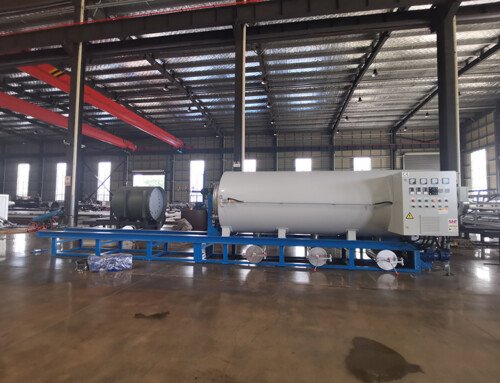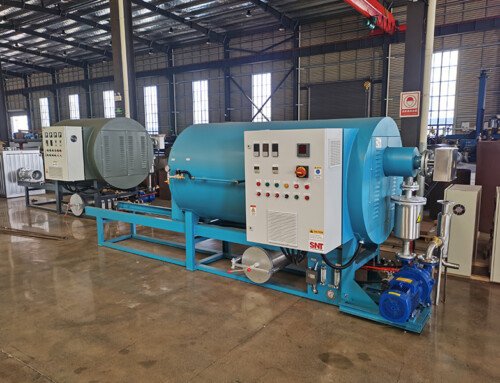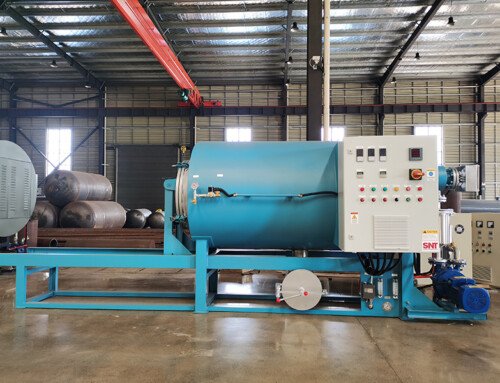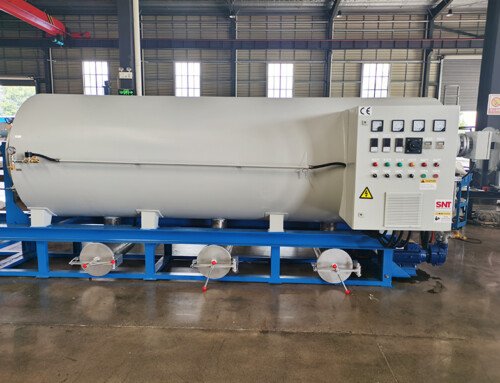
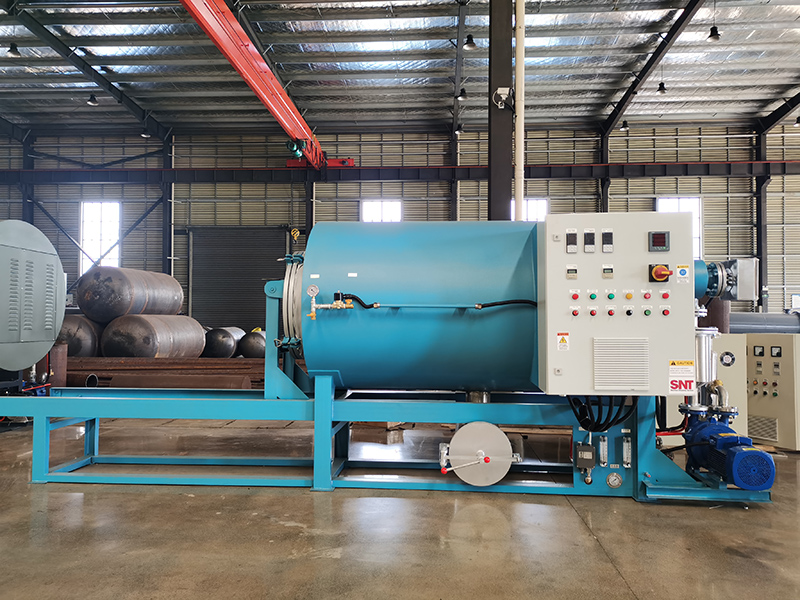
horizontal burn off oven for large fixture processing
Large industrial fixtures used in coating, molding, and composite manufacturing operations accumulate thick layers of residual polymer, cured resin, and composite debris after repeated production cycles. These residues build up in complex gaps, threaded holes, and contoured surfaces that are almost impossible to fully remove with manual scraping or chemical cleaning methods. A horizontal burn off oven engineered specifically for large fixture processing uses controlled thermal decomposition to strip all organic contaminants from even the largest and most intricately shaped fixtures, restoring them to a clean, bare metal state without damaging the base fixture material or altering critical precision reference surfaces.
Core Thermal Processing Principles for Large Fixture Cleaning
The entire cleaning process relies on carefully staged temperature profiles that break down organic residues through controlled pyrolysis rather than uncontrolled open flame combustion. When temperatures are held within a precise, calibrated range, long-chain organic molecules in accumulated residues decompose into volatile gaseous byproducts and small amounts of loose, easily removable inorganic ash. This avoids the extreme localized heat spikes that can cause thermal warping, surface oxidation, or microstructural changes to high-tolerance large fixtures that would ruin their precision alignment characteristics.
Uniform temperature distribution across the full internal chamber space is the most critical performance factor for large fixture processing. Unlike small batch ovens that only need to maintain consistent heat across a compact work zone, horizontal systems built for very large fixtures must deliver stable, evenly distributed heat to every corner of the extended work volume. This ensures no section of a long, heavy fixture sits in a cold zone where residues do not fully decompose, or a hot zone where temperatures climb high enough to cause permanent thermal deformation. The airflow pattern is carefully engineered to circulate heated air evenly around every surface of the loaded fixture, even in deep internal cavities and narrow geometric gaps that would trap stagnant air in a poorly designed system.
Residence time calibration is tailored to the specific type and thickness of residue accumulated on each fixture. Thin, lightly cured coating residues break down completely in a relatively short thermal cycle, while thick, heavily carbonized resin deposits that have built up over hundreds of production runs require extended soak periods at stable pyrolysis temperatures to fully decompose. Operators map cycle parameters to the exact fixture material and residue type, ensuring every organic contaminant is fully broken down without exposing the base metal fixture to unnecessary high temperature exposure that could shorten its long service life.
Load Handling and Fixture Placement Best Practices
Proper preparation and positioning of large fixtures before they enter the burn off oven prevents uneven heating, incomplete residue removal, and unnecessary stress on both the processing system and the fixtures themselves. Before loading, operators remove any loose, large chunks of residual material that could fall off during processing and obstruct internal airflow paths, and confirm all removable non-metal components that are not designed for high temperature exposure have been taken off the fixture. This small pre-processing step eliminates a huge share of avoidable processing issues that can extend cycle times or leave partial residue behind.
Support and positioning of heavy, large-scale fixtures is structured to prevent gravitational sag or thermal warping during the high temperature cycle. Long, slender fixture beams and large flat tooling plates are placed on custom-designed support rails that distribute their weight evenly across multiple contact points, rather than being supported only at their far ends. This prevents the kind of subtle, permanent bending deformation that would make the fixture unusable for high-precision production applications, even when it is exposed to uniform high temperature for an extended period. Operators also leave clear, unobstructed gaps between adjacent fixtures in the load, so heated air can circulate freely around every surface and reach even the most hidden crevices without being blocked by adjacent tooling.
Load weight distribution across the full length of the horizontal chamber is carefully balanced to avoid putting uneven stress on the system’s transport and heating components. Heavy fixtures are spread out evenly across the entire load zone, rather than being clustered all at one end, to ensure the transport mechanism moves smoothly and no localized point load causes unexpected mechanical wear. This balanced loading approach also helps maintain consistent internal airflow patterns, so no section of the work volume experiences unexpected temperature variation caused by uneven heat absorption from a concentrated mass of heavy metal tooling.
Post-Processing Handling and Long-Term Operational Stability
Once the thermal decomposition cycle is fully complete, fixtures are held at a controlled, gradual cooling rate before being removed from the chamber. Rapid quenching or sudden exposure to room temperature air immediately after high temperature processing can create thermal shock that introduces residual stress in the fixture metal, leading to subtle dimensional shift that distorts critical precision reference surfaces. A slow, staged cooling profile allows the entire mass of the large fixture to lose heat evenly at every point, so no uneven thermal contraction introduces hidden stress or dimensional deformation that would compromise the fixture’s performance in later production use.
After the fixture cools completely to ambient temperature, any remaining fine inorganic ash residue can be easily removed with low-pressure compressed air or gentle water rinsing. No aggressive scraping, abrasive blasting, or harsh chemical treatment is required, which eliminates the risk of scratching, wearing down, or altering the geometry of critical precision locating surfaces on the fixture. The resulting clean bare metal surface is completely free of all residual organic material, ready to go back into production for a new full cycle of coating, molding, or composite layup operations.
Routine, scheduled maintenance of the horizontal burn off oven itself preserves consistent processing performance across thousands of cleaning cycles. Operators regularly inspect internal airflow paths to remove accumulated ash buildup that could restrict circulation, verify temperature sensor calibration across all zones of the large chamber, and confirm exhaust treatment systems are operating at full efficiency. These small, regular checks ensure the system maintains perfectly uniform temperature distribution cycle after cycle, delivering consistent, repeatable cleaning results that extend the usable service life of every high-value large fixture processed through it.