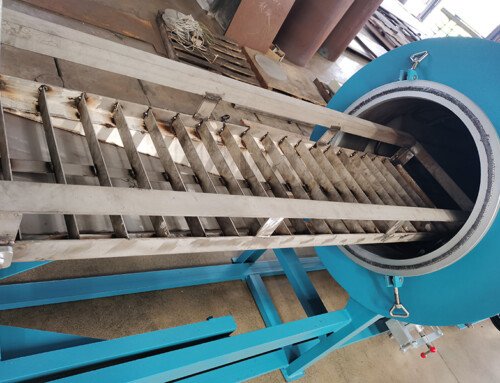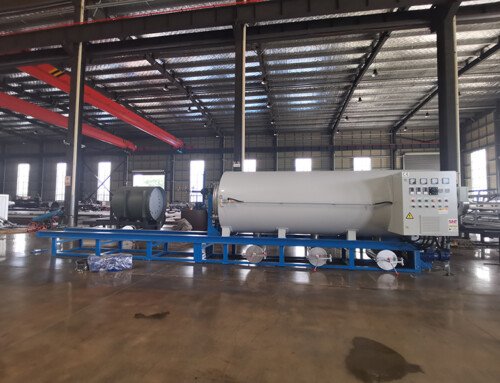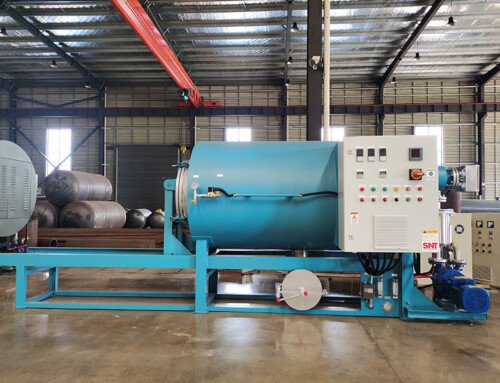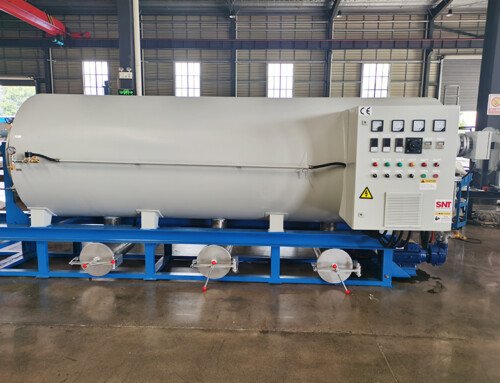
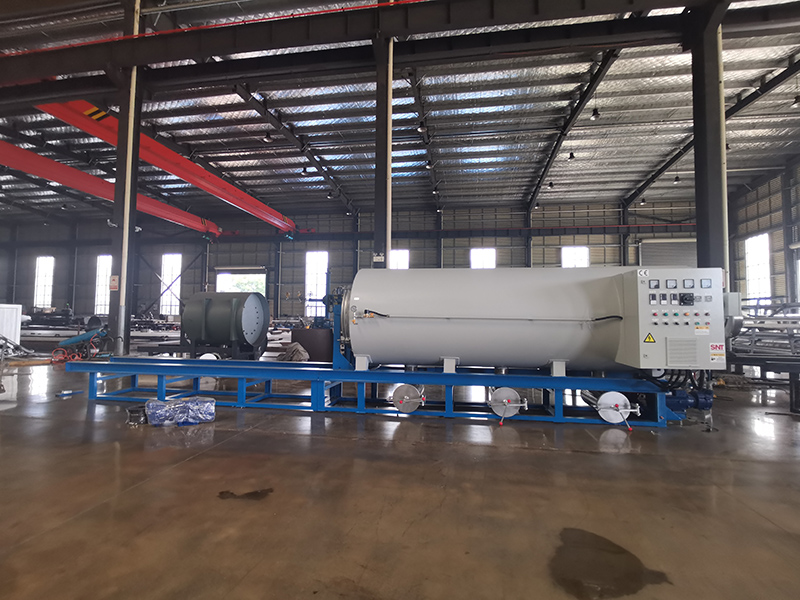
Proper warehouse storage for screw cleaning ovens directly impacts their long-term performance, safety readiness, and ease of deployment when they are moved into active production. Poor placement and unstructured storage practices can lead to accidental physical damage, misalignment of critical components, and hidden contamination issues that only surface once the unit is powered up for the first time. Following a clear set of placement rules creates a stable, low-risk storage environment that keeps every unit in consistent, ready-to-use condition for its entire time in the warehouse.
Reserve Clear Zoned Space Away From High-Risk Warehouse Activities
The storage area for these units should be clearly separated from zones where heavy forklift traffic, metal cutting, grinding, or bulk chemical handling takes place. This eliminates the risk of accidental physical impacts, flying debris damage, or exposure to corrosive fumes that can degrade outer casings and internal electrical parts over time. There should be no stacked pallets, hanging overhead materials, or tall stored items positioned directly above the units, to prevent falling objects from denting the chamber structure or cracking control panel surfaces. Marking dedicated floor boundaries with clear visual cues helps all warehouse staff recognize this as a low-disturbance zone that requires extra care during routine material movement.
Maintain Stable Environmental Conditions Around Stored Units
The surrounding warehouse space must stay consistently dry, with controlled humidity levels that prevent condensation buildup on metal surfaces, wiring connections, and insulation layers. Avoid placing units directly against exterior walls that are prone to temperature swings, water seepage, or frost buildup in colder seasons. All units should sit on a raised, flat platform or heavy-duty pallet that lifts them at least a short distance above the main warehouse floor, to keep them isolated from spilled liquids, floor cleaning runoff, and fine dust that gets swept across the ground during daily operations. Stable temperature and humidity levels also prevent warping on door seals and prevent fine internal components from developing hidden corrosion that would cause unexpected failures later.
Align Placement for Unobstructed Access and Safety Compliance
Every stored unit needs enough empty space left around all four sides to allow staff to perform full visual inspections, basic maintenance checks, and pre-deployment testing without needing to move adjacent heavy equipment. This open spacing also ensures clear, unblocked paths for emergency response if any unexpected thermal or electrical issue arises during long-term storage. Make sure no part of the unit’s ventilation grilles, exhaust ports, or control panel faces is pressed up against a wall, other stored machinery, or stacked inventory. This arrangement lets air circulate freely around the entire outer body, prevents hidden heat buildup even if minor power testing is done while the unit is still in storage, and removes the risk of accidental scratches or dents from nearby shifting materials.
Implement Consistent Orientation and Labeling Protocols
All units should be placed facing the same general direction, with their main access door and control panel positioned toward the primary inspection aisle. This consistent layout removes the need for staff to navigate around heavy machinery to reach critical access points during routine checks. Each unit should have clear, durable marking near its main entry point that tracks its storage date, last inspection status, and any specific pre-deployment requirements that technicians need to know before moving it to the production floor. This standardized labeling eliminates confusion, reduces unnecessary handling, and ensures that units that have been in storage the longest are pulled for use first, preventing any single unit from sitting idle far longer than its recommended storage window.
Schedule Scheduled Rotation and Light Function Checks
Even during long-term warehouse storage, each unit should be accessed on a set, regular schedule to perform basic low-power function tests, confirm no dust or moisture has penetrated the outer protective cover, and verify that all moving parts like door hinges and latch mechanisms still operate smoothly. During these checks, staff can also confirm that the storage space around the unit has not been encroached on by newly arrived inventory that blocks access or creates physical pressure on the unit’s body. This small, consistent rotation practice catches minor issues early, ensures no unit sits forgotten in a far corner of the warehouse, and keeps every piece of equipment in reliable, ready-to-deploy condition.