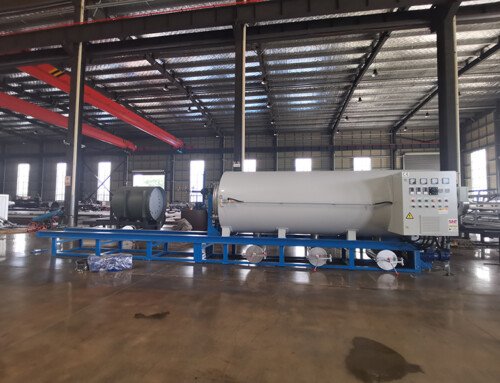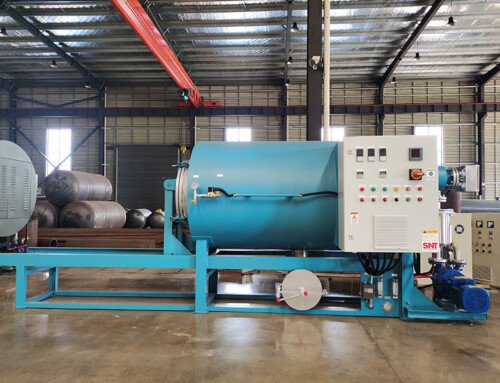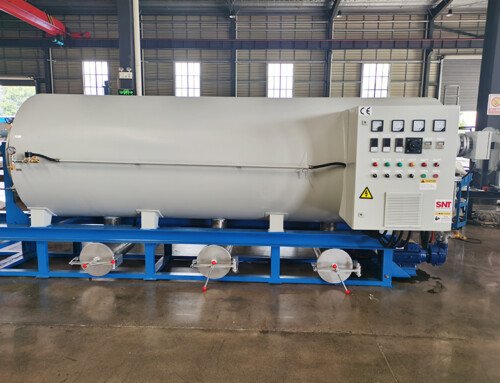
Proper storage and dust protection for screw cleaning ovens play a critical role in preserving long-term operational stability, especially during extended periods of non-use or between production cycles. Uncontrolled dust accumulation can clog internal ventilation paths, interfere with thermal component performance, and leave unwanted residue on precision parts that will later be processed inside the chamber. A structured covering and storage routine prevents these avoidable issues, reduces unplanned maintenance work, and extends the consistent working life of the equipment.
Thoroughly Clean All Internal and External Surfaces Before Storage
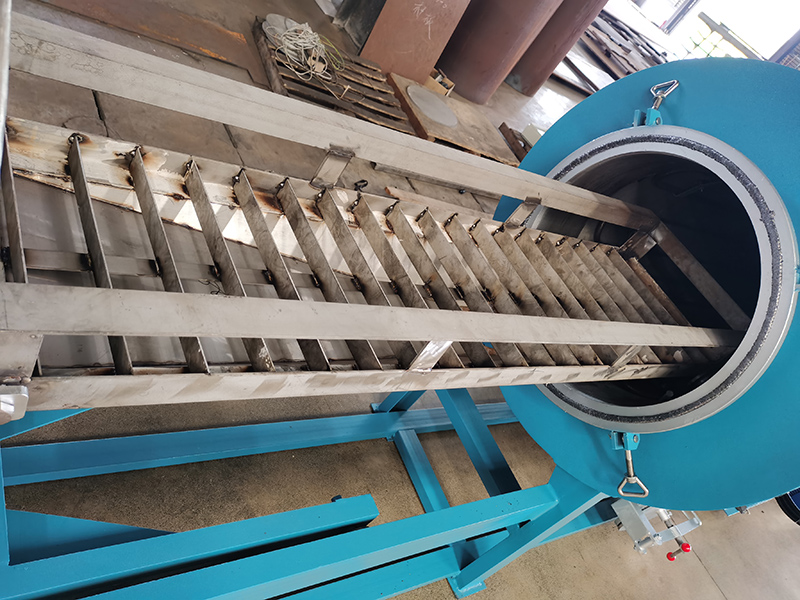
Before any protective covering goes into place, every part of the oven must go through a full cleaning cycle to remove residual polymer deposits, fine ash, and process dust that has built up on interior walls, heating elements, and sealing surfaces. All removable trays, mesh fixtures, and screw mounting brackets should be taken out, wiped down completely, and stored separately in a dry, dust-free area. Any leftover debris left inside the chamber during storage can harden over time, attract more airborne dust, and create stubborn contamination that is far harder to remove later. This step also gives technicians a chance to spot minor wear on seals, hinges, and insulation layers before the unit sits unused for weeks or months.
Use Breathable, Dust-Blocking Covers for Long-Term Placement
Non-woven, heavy-duty breathable fabric works far better than impermeable plastic sheeting for covering the entire outer body of the oven. Plastic traps condensation against metal surfaces, which can lead to unexpected rust, corrosion, or mold growth on internal wiring and control panel components over time. The fabric cover should drape loosely over the full structure, leaving no exposed gaps where floating workshop dust can settle on the control interface, ventilation grilles, or door sealing edges. All loose cables, external sensor lines, and small attached components should be tucked neatly against the unit before the cover goes on, so nothing hangs out and collects dust or gets accidentally knocked loose.
Seal Key Openings and Vent Paths Against Contamination
All external air intake vents, exhaust outlet ports, and unused wiring access points need to be covered with a fine, dust-resistant mesh or non-abrasive sealing material that blocks fine particles without fully trapping all internal air flow. This prevents fine workshop dust from being pulled into the internal chamber through natural convection currents while the unit cools down or sits idle. The main oven door should be closed securely but not forced to an over-tight locked position, which can put unnecessary long-term stress on the door seal and cause permanent deformation. A small strip of breathable protective material placed along the door seam adds an extra layer of dust protection without creating a fully airtight environment that traps moisture.
Position the Stored Unit in a Low-Dust, Stable Environment
The ideal storage area sits away from high-traffic workshop zones, grinding stations, or material handling points that generate large volumes of airborne particulate. The floor under the oven should be flat, level, and slightly elevated if possible, to prevent fine floor dust from being swept up under the cover every time nearby equipment moves. Avoid placing the unit near open windows, exterior doorways, or areas with direct exposure to water spray, heavy temperature swings, or corrosive fumes from other production processes. This stable placement eliminates most of the environmental factors that cause unnecessary wear even when the equipment is not running.
Set Up Regular Inspection Intervals During Storage
Even with the best covering in place, a quick monthly check helps catch small issues before they turn into serious problems. Technicians can gently lift a small corner of the fabric cover to check for signs of moisture buildup, unexpected dust intrusion, or pest activity that might have gone unnoticed. They can also confirm that no nearby equipment or stored materials have shifted and damaged the outer cover or pressed against the oven body. These short, routine checks ensure that the protective setup stays fully intact, so the unit will be ready to restart clean and reliable when it is needed back in production.