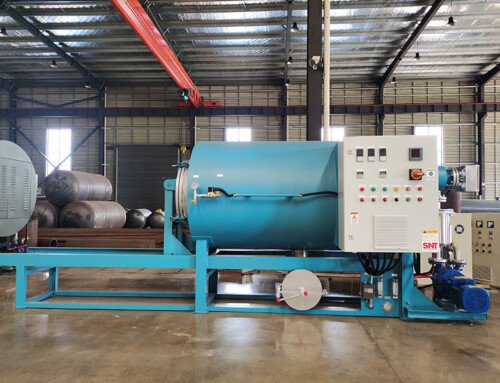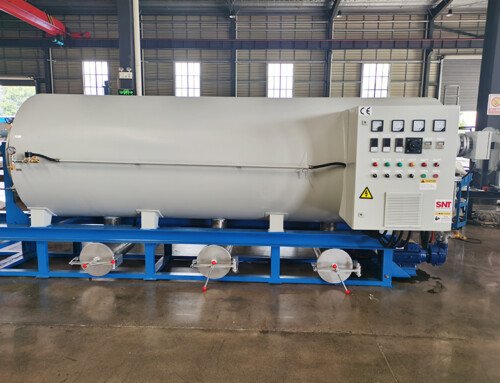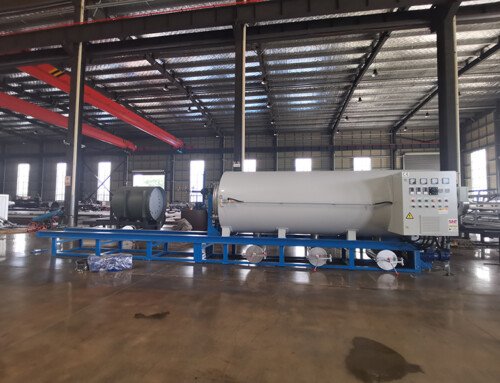
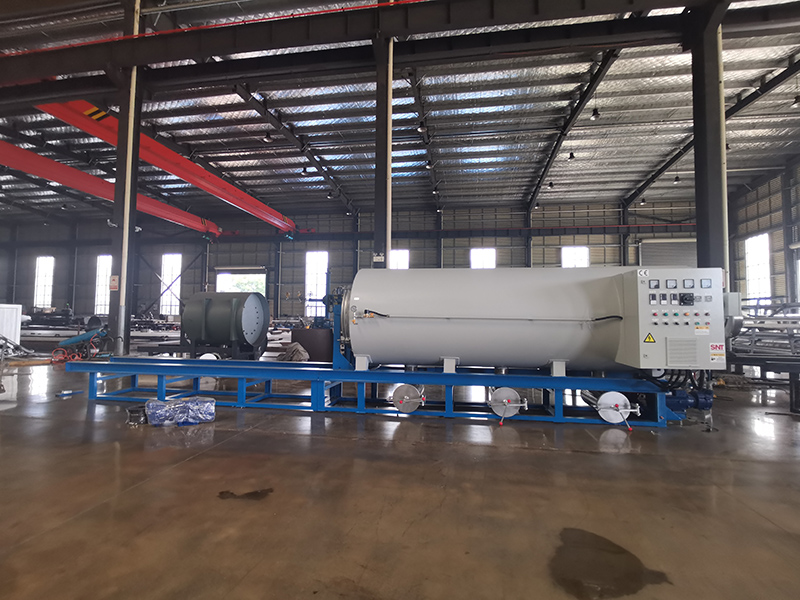
Moisture is one of the most overlooked and damaging threats to a screw cleaning furnace during extended shutdown, and it can creep into every hidden gap, narrow pipe, and enclosed component even in seemingly dry indoor environments. Over weeks or months of idle storage, trapped humidity can trigger hidden corrosion on precision metal surfaces, cause electrical connection oxidation, and leave stubborn, hard-to-remove residue that compromises the unit’s performance when you try to bring it back online. Targeted, moisture-focused protection steps eliminate these risks completely, without requiring complicated or costly modifications to the equipment.
Dry All Internal Chambers and Fluid Paths Thoroughly Before Sealing
Many operators shut down the furnace and cover it immediately, without removing residual moisture left behind from the last cleaning cycle or natural air condensation. This trapped water vapor gets locked inside the enclosed space, and it will slowly settle on every cool internal surface as the unit cools down to ambient temperature. To prevent this, run the furnace on a low, controlled empty heat cycle for a short period after the final cleaning step, to evaporate all leftover moisture trapped on chamber walls, screw tracks, and narrow gaps.
Once the heat cycle finishes, keep all chamber access panels, drain valves, and line ports open for several hours in a dry, well-ventilated space, so every last trace of water vapor can fully escape. Do not rush to close everything up before every surface feels completely dry to the touch, and use clean, lint-free cloths to wipe down any visible condensation spots you find on metal edges or inside hard-to-reach corners. This simple step removes 90% of the moisture that would otherwise cause hidden corrosion during long-term storage.
Purge All Lines With Dry, Filtered Air
Even after the main chamber is fully dry, small amounts of moisture often remain trapped inside narrow air hoses, coolant loops, and auxiliary fluid lines that you cannot easily reach with a cloth. These hidden droplets will sit stagnant for months, slowly corroding the inner walls of the pipes and creating tiny rust particles that will break loose and cause blockages when you restart the system later. To clear them out, attach a supply of clean, low-pressure dry filtered air to one end of each line, and blow air through the full length of the path for several minutes.
Keep the far end of each line open during the purge, so all moisture, loose dust, and small residual particles get blown completely out of the system. Once no more visible mist or droplets come out of the open end, cap both ports of the line immediately with a tight, moisture-sealing plug. This ensures no humid ambient air can drift back inside the line once you finish the purge, and the entire path stays completely dry for the full duration of the shutdown.
Deploy Layered Moisture Absorption in All Enclosed Spaces
Even after all visible and hidden moisture is purged out of the furnace, humid ambient air will still seep into small gaps and enclosed compartments over time, especially if the storage space experiences regular shifts in temperature. Adding targeted, strategically placed desiccant to every enclosed space creates a local low-humidity environment that actively pulls any stray water vapor out of the air before it can settle on metal or electrical components. Place these moisture-absorbing packs inside the main furnace chamber, inside the electrical control cabinet, and near the openings of any sealed auxiliary compartments.
Make sure the desiccant you use is rated for industrial equipment storage, and position it so it does not come into direct contact with heating elements, sensor probes, or circuit boards. Mark each desiccant pack with the date you placed it, so you can track its service life and replace it before it becomes fully saturated and stops working. This layered absorption approach creates a consistent dry microclimate inside every closed section of the furnace, even if the humidity level in the surrounding storage room fluctuates.
Seal All Access Points With Moisture-Resistant Gaskets
No amount of internal drying and desiccant will work effectively if humid outdoor air can easily drift back inside through loose, poorly sealed gaps. After you finish placing all desiccant packs, close every chamber door, access panel, and service hatch, and inspect the full length of each rubber seal around the edges. Replace any gaskets that show signs of cracking, hardening, or wear, and wipe down the full seal surface with a clean, dry cloth to remove any dust or leftover residue that would break the airtight contact.
Tighten all door clamps and panel mounting screws evenly in a diagonal pattern, so pressure is distributed consistently across the entire seal edge. For any small, unused ports that do not have a built-in gasket, wrap the opening with a layer of moisture-resistant sealing tape before you cap it, to create an extra tight barrier that stops humid air from seeping through tiny gaps. This full sealing step locks in the dry internal environment you created, and blocks external moisture from finding its way into the unit during storage.
Add Regular Humidity Checks to Your Shutdown Maintenance Routine
Even with all the pre-storage protection steps in place, you still need to verify conditions inside the furnace on a regular schedule, rather than leaving it completely untouched for months at a time. Place a small, easy-to-read humidity monitor inside the main chamber, where you can check the reading quickly after opening the outer protective cover, without having to fully disassemble any seals. If the reading climbs above a safe threshold, you can run a short, low-temperature dry cycle, replace the saturated desiccant packs, and re-purge any lines before moisture has time to cause permanent damage.
Every four to six weeks, remove the outer dust cover, open the main chamber door briefly, and run a quick 10-minute cycle of low-pressure dry air through the space to refresh the internal air. Wipe down the outer surface of the furnace to remove any condensed dew or dust that has collected on the exterior, and make sure no standing water has pooled anywhere near the base of the unit. These short, regular checks take very little time, but they catch small moisture-related issues long before they can turn into expensive, hard-to-repair damage to the furnace’s precision components.