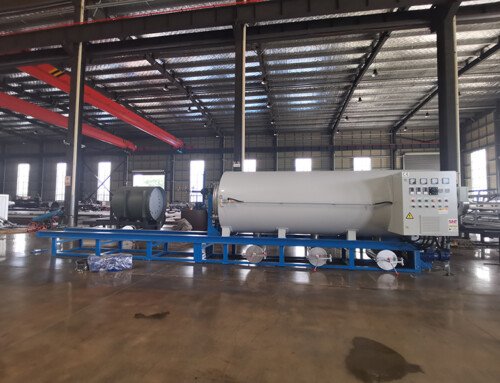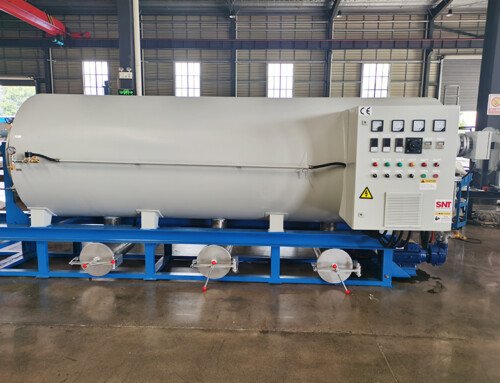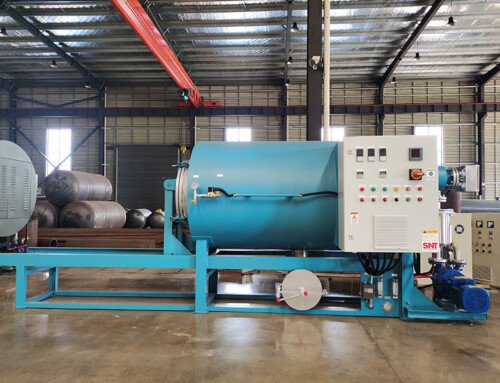
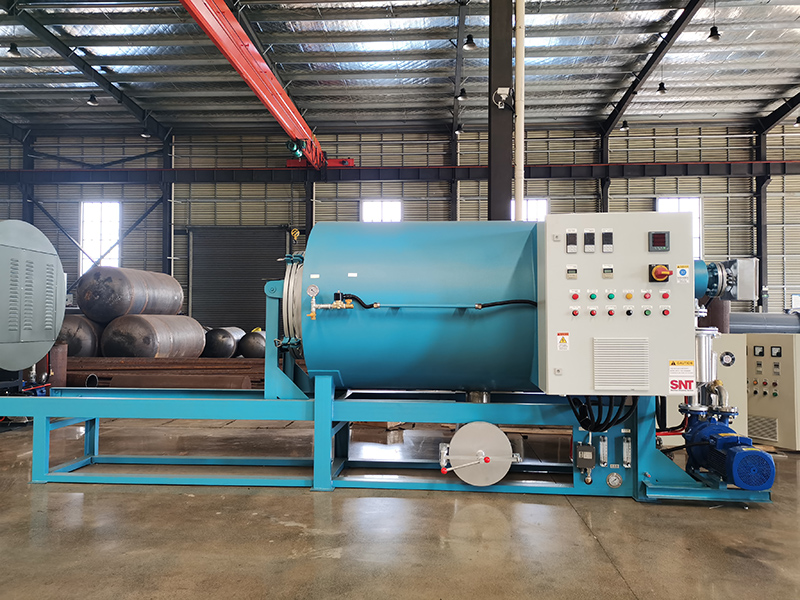
When a screw cleaning furnace is scheduled for long-term idle storage, skipping proper pre-storage steps often leads to hidden damage that only appears when the unit is powered back on after weeks or months of sitting. Many operators focus only on routine running maintenance and overlook the unique protection needs of a unit that will sit unused for extended periods. Without a structured, step-by-step storage workflow, residual heat, accumulated dust, trapped moisture, and static buildup can cause unnecessary wear that shortens the equipment’s service life and leads to unexpected startup failures.
Complete Full Shutdown and Post-Operation Deep Cleaning
The first critical step before any long-term storage is to follow a full, controlled shutdown sequence, rather than cutting power abruptly while the internal components are still hot and in motion. Let the entire system run through its full cool-down cycle naturally, until all internal heating elements have dropped to ambient temperature, all moving parts have come to a complete stop, and the control system has finished its full post-operation self-check. Only then should you cut the main power supply and shut off all connected utility lines, to avoid leaving residual pressure or trapped heat inside the chamber.
Once the unit has cooled completely, perform a full no-residue cleaning of every internal and external surface. Remove all leftover particulate buildup, burnt material residue, and fine dust deposits that have collected on the chamber walls, heating zones, and screw tracks. Even small amounts of leftover material left inside the unit can absorb moisture from the air during long storage, leading to corrosion, stubborn caking, or unwanted contamination that is extremely hard to remove when you restart the furnace later.
Clear All Air and Fluid Lines
After the main chamber is fully cleaned, drain every connected air line, coolant line, and auxiliary fluid path completely. Any leftover moisture or standing liquid trapped inside these lines will stagnate during long idle periods, leading to internal pipe corrosion, blockages, or seal degradation that will only show up when you try to restart the system. Blow every line through with clean, dry compressed air to make sure no residual droplets are left behind, then seal all open line ports with a tight, dust-resistant cover to keep fine particles and humid air from drifting inside. This simple step prevents a huge share of the most common startup failures for units that have been in long-term storage.
Apply Targeted Anti-Corrosion and Moving Part Protection
Once all surfaces and lines are fully dry, move on to protecting all exposed metal components and moving parts that are vulnerable to rust, static damage, or long-term deformation. Coat all uncoated exposed metal surfaces on the external frame, chamber door edges, and track rails with a thin, even layer of corrosion-resistant lubricant, making sure you avoid getting any residue on heating elements, sensor probes, or electrical contact points. Manually cycle all moving components a few full times to spread the lubricant evenly across every contact surface, creating a consistent protective oil film that seals metal away from humid air.
Loosen all tensioned belts, springs, and pressure-adjustment mechanisms that are held in a fixed tight position during normal operation. Leaving these components under constant tension for months on end will cause permanent stretching, material fatigue, and loss of original calibration that will throw off the unit’s performance when you restart it. Return all adjustable positioning guides to their neutral midpoints, so no single part is left bearing unnecessary long-term stress while the furnace sits idle.
Seal Off the Electrical Control Cabinet
Open the electrical control cabinet, wipe down all internal circuit boards and connection points with a clean, dry anti-static cloth, and check for any loose terminals or traces of dust buildup. Place several moisture-absorbing desiccant packs inside the cabinet to pull excess humidity out of the enclosed space, and make sure the cabinet door seals completely shut with no gaps left open for dust or humid air to seep through. Cover any external ungrounded electrical ports with insulating caps, to prevent accidental static discharge or fine particle buildup that could cause connection issues later. This level of electrical protection stops the vast majority of hidden circuit board oxidation faults that appear after long idle storage.
Maintain Stable Storage Environment and Scheduled Inspections
Place the fully prepared unit in a dry, well-ventilated indoor space that stays at a consistent ambient temperature, away from areas with heavy dust, corrosive fumes, or standing water on the floor. Set the unit on a flat, level base to avoid long-term frame warping, and leave clear open space around all sides of the furnace for air circulation and easy access during periodic checks. Drape a breathable, dust-resistant protective cover over the entire unit, making sure it does not seal tightly against the electrical cabinet or heat dissipation vents to trap moisture inside.
Set up a regular, scheduled inspection routine for the full idle storage period. Every four weeks, remove the protective cover to let fresh air circulate around the unit for 30 minutes, check the desiccant packs inside the control cabinet, and manually cycle all moving components a few times to stop bearings and tracks from seizing up. Every three months, do a quick visual check of all anti-corrosion oil films, top up any spots that look thin or worn away, and confirm no dust or moisture has found its way past the sealed covers. This simple ongoing maintenance routine will ensure the furnace stays in perfect working condition, ready to restart with no unexpected faults whenever you need it back in operation.