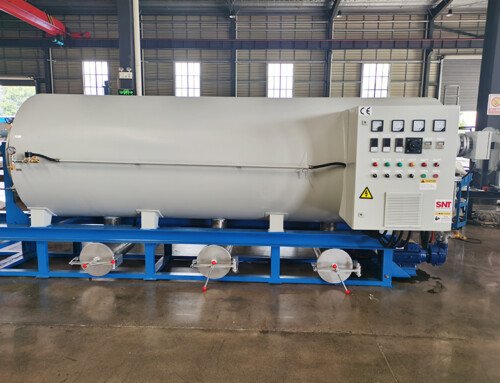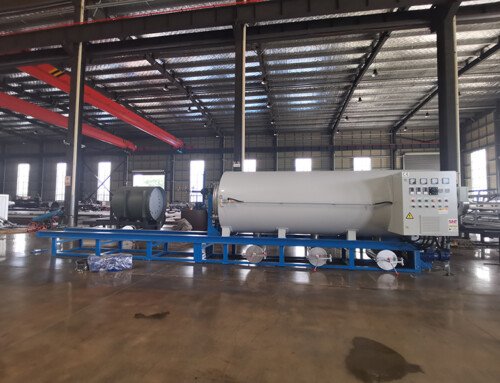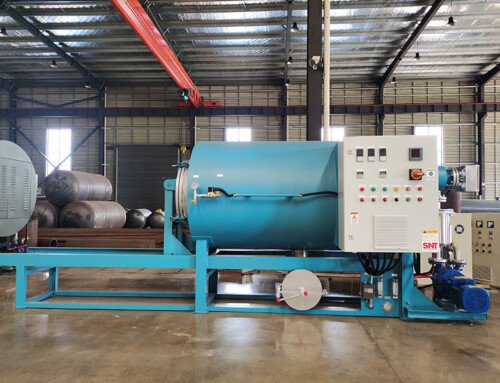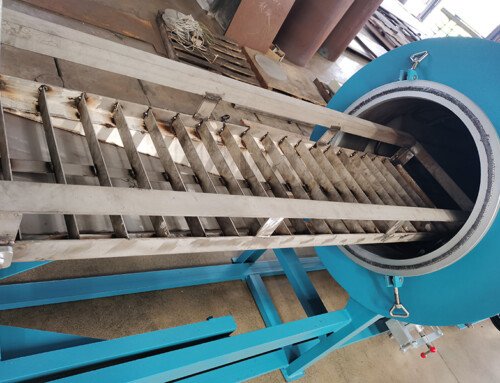
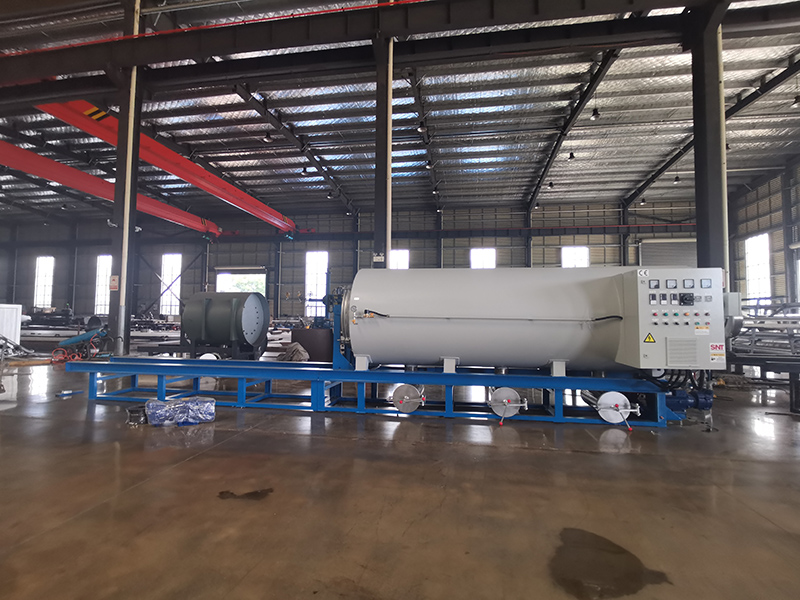
Carbon buildup inside a screw cleaning furnace is one of the most common and often overlooked issues that gradually erodes equipment performance over extended operating cycles. When left unaddressed, this layered accumulation does not just reduce processing efficiency, it creates cascading mechanical and thermal problems that directly shorten the equipment’s total usable lifespan. Every stage of operation, from routine daily running to scheduled maintenance, shapes how quickly carbon deposits form and how much damage they cause to core furnace components.
Root Causes of Progressive Carbon Accumulation
Carbon deposit formation in a screw cleaning furnace rarely stems from a single isolated factor. It develops slowly over hundreds of operating hours, driven by subtle deviations in operating parameters, material residue characteristics, and airflow distribution that most operators do not notice until buildup has already become severe.
Extended operation under inconsistent temperature control creates uneven heat zones inside the furnace chamber. When local temperatures stay below the required threshold for full residue decomposition, partial thermal cracking of processing materials leaves behind sticky, tar-like carbon layers that adhere tightly to metal surfaces. These initial thin layers act as an adhesive base that catches more unburned particles from subsequent cycles, making deposits thicker and harder to remove over time.
Unbalanced airflow patterns inside the chamber create low-velocity dead zones where fine carbon particles cannot be carried out of the system during normal operation. These stagnant areas let particles settle and stack up on inner walls, heating elements, and screw structure surfaces, gradually forming hard, dense carbon layers that resist standard cleaning procedures.
Frequent short-cycle operation with incomplete post-run purging also speeds up accumulation. When operators shut down the furnace immediately after a processing batch instead of running a full clear-out cycle, residual unprocessed material left inside the chamber carbonizes during the cool-down phase, adding new thin deposit layers with every incomplete shutdown.
How Carbon Buildup Gradually Erodes Equipment Service Life
Many operators underestimate how much widespread damage persistent carbon deposits can cause across the entire furnace system. The negative impacts do not stay limited to the chamber interior, they spread to core mechanical, thermal, and electrical components in ways that create permanent, irreversible wear long before expected end of life.
Thick carbon layers covering heating elements and inner furnace linings act as an insulating barrier that blocks normal heat transfer. The furnace has to run at far higher power output to reach its target operating temperature, placing continuous extra thermal stress on heating components that accelerates their aging and causes unexpected burnout far earlier than their designed service cycle.
Hard, abrasive carbon deposits that build up on the screw structure create uneven friction resistance during rotation. Over thousands of operating cycles, this extra drag wears down screw surface precision, places unbalanced load on drive bearings, and gradually causes rotational misalignment that can lead to unexpected mechanical jams. Even minor misalignment forces the drive motor to work under sustained overload conditions, increasing the risk of sudden electrical failure.
Accumulated carbon deposits also narrow airflow and material flow pathways inside the furnace. This restricted flow creates unexpected backpressure that pushes unprocessed residue and fine carbon particles into sealing structures, joint gaps, and ventilation components. These intruding particles abrade sealing surfaces, block small ventilation openings, and create hidden wear issues that are extremely difficult to detect during routine inspections.
Targeted Operating Habits to Control Deposit Formation and Reduce Wear
Adopting small, consistent adjustments to daily operating and maintenance routines can effectively slow down carbon accumulation rates, minimize unnecessary component wear, and extend the screw cleaning furnace’s total usable life significantly. These practical, field-verified steps require no complex modifications, and they integrate smoothly into normal operating workflows.
Implement a standardized post-operation high-temperature purging cycle after every full processing batch. Running the furnace at a controlled elevated temperature for a set period after the main processing work is complete burns off loose residual material before it can cool down and carbonize on internal surfaces. This simple step prevents most initial sticky deposit layers from forming in the first place.
Schedule regular partial disassembly inspections at fixed operating hour intervals, focusing on high-risk dead zones where airflow is known to be weak. Early removal of soft, newly formed carbon deposits during these checks prevents them from hardening into thick, dense layers that are much harder to clean later. This regular light maintenance avoids the need for aggressive deep cleaning procedures that can scratch or damage precision internal surfaces.
Adjust operating parameters to maintain consistent temperature distribution across the entire furnace chamber during every run. Stable, uniform heat eliminates the low-temperature zones where partial carbonization starts, ensuring all processing material residue reaches full decomposition instead of leaving sticky byproducts behind to adhere to internal structures.