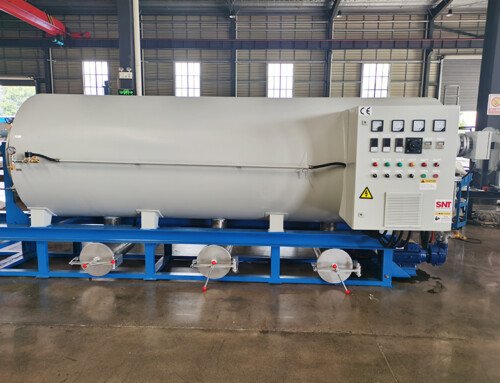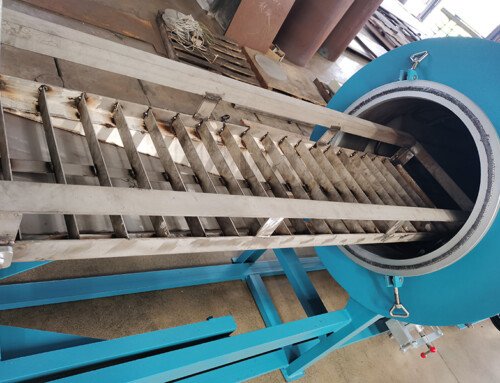
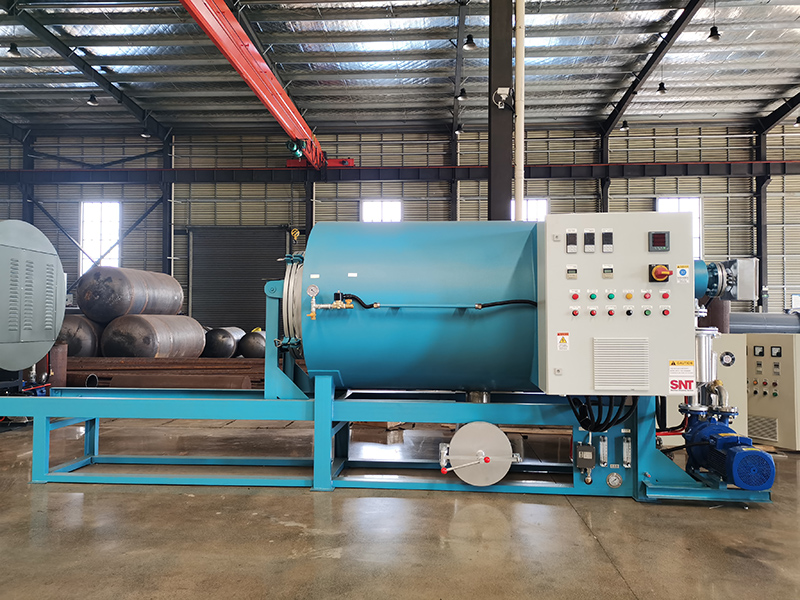
Installing a screw cleaning furnace in a high-dust industrial workshop creates unique safety and operational challenges that generic installation guidelines do not fully address. Fine floating dust can seep into critical system components, interfere with heat exchange, and create unrecognized hazards if the installation layout and protective measures are not tailored to the specific high-particulate environment. A targeted set of installation safeguards prevents dust-related performance degradation, reduces unplanned maintenance, and keeps the entire operating area stable even under continuous heavy dust exposure.
Physical layout and spatial isolation design
The position of the screw cleaning furnace in the workshop directly impacts how much surrounding dust reaches its sensitive components over time. Many teams place the unit in a convenient empty corner without accounting for local dust flow patterns, leading to constant particulate buildup that clogs vents and wears moving parts far faster than expected. Careful spatial planning creates a natural buffer between the furnace and the highest dust-generating zones in the facility.
Dust source distance zoning
Map out all active dust generation points in the workshop before finalizing the furnace installation position, and place the unit far enough away to avoid direct exposure to the heaviest drifting particulate plumes. Avoid positioning the furnace directly downwind from cutting, grinding, or material transfer stations that release large volumes of fine dust into the air. Leave a clear, unobstructed perimeter around the entire furnace body that is kept free of dust-collecting clutter, to make routine cleaning easier and prevent thick dust layers from building up on external hot surfaces.
Vent flow directional alignment
Align the furnace’s own intake and exhaust openings so they do not pull in large volumes of workshop dust with their normal airflow. Position fresh air intakes to face toward cleaner, lower-dust sections of the facility, rather than facing open production lines that release heavy particulates. Add simple directional baffles around these openings to block direct dust drift, so the system draws in as little contaminated air as possible during normal operation. This small adjustment cuts down internal dust accumulation dramatically before it ever reaches internal components.
Component-level particulate ingress protection
Even with strong spatial isolation, fine floating dust will still circulate through the surrounding workshop air, and targeted protection for every sensitive furnace component stops these particles from causing internal damage. Unprotected moving parts, electrical connections, and heat exchange surfaces are the most vulnerable points, and even a small amount of fine dust buildup can cause unexpected failures that force unplanned shutdowns. These targeted safeguards are built directly into the installation process, so they do not require major retrofits later.
Moving seal and bearing dust shielding
All rotating screw shafts, access door seals, and external bearing points on the furnace need extra shielding to block fine dust from working its way into gaps and wearing down precision surfaces. Add a layered dust barrier around every shaft penetration point that lets the component move freely while trapping incoming particulates before they can reach lubricated surfaces. Inspect these shields during every routine check to clear away caked dust that could break the seal, preventing abrasive particles from getting inside the mechanism and causing premature wear.
Electrical and control system sealing
Every electrical junction box, sensor port, and control panel opening on the furnace must be fully sealed against fine dust intrusion during installation. Use durable gaskets on all panel doors, and add small filtered pressure relief vents that let internal heat escape without letting floating particulates settle on circuit boards or wiring terminals. This prevents dust from building up on electrical contacts, which can cause unexpected signal drift, overheating, or even short circuits that disrupt normal furnace operation.
Workshop-level dust mitigation tied to furnace operation
The most effective long-term protection does not stop at the furnace itself, but integrates the unit’s operation with the workshop’s broader dust management workflow. When the two systems work in sync, you eliminate the risk of heavy dust accumulation on hot surfaces, reduce the chance of particulate-related hazards, and extend the usable lifespan of every furnace component far beyond standard expectations.
Localized dust extraction zoning
Install a dedicated small extraction hood positioned near the furnace’s access door and material loading zone, separate from the facility’s main central dust collection system. This local unit pulls in any dust that gets stirred up during loading and unloading cycles, before it can drift onto the furnace’s hot external surfaces or get pulled into system vents. Run this local extractor for a short window before and after every material handling cycle, to capture loose particulates without running it nonstop during normal closed furnace operation.
Routine surface cleaning schedule alignment
Build a quick, dedicated furnace exterior cleaning step into the facility’s regular workshop dust removal routine, so no thick layers of settled dust are allowed to accumulate on the furnace body, stand, or nearby support structures. Use soft, non-sparking cleaning tools to wipe down all surfaces around the unit, and never use compressed air to blow dust off the furnace, as that would just send fine particulates drifting into the air to settle on other sensitive components. This consistent light cleaning keeps the entire installation zone clear of hazardous dust buildup at all times.