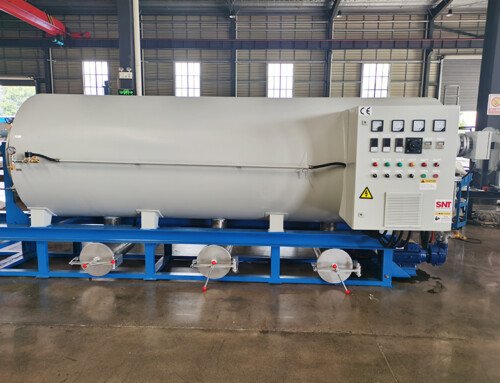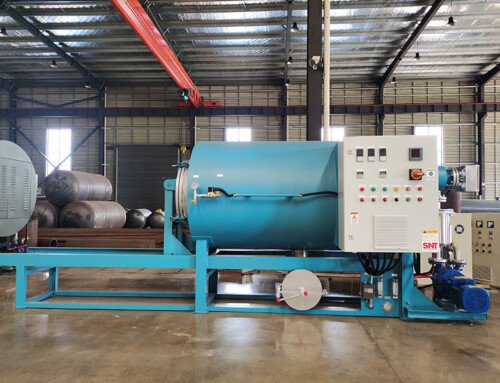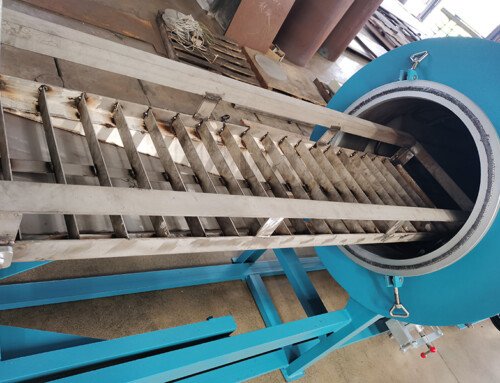
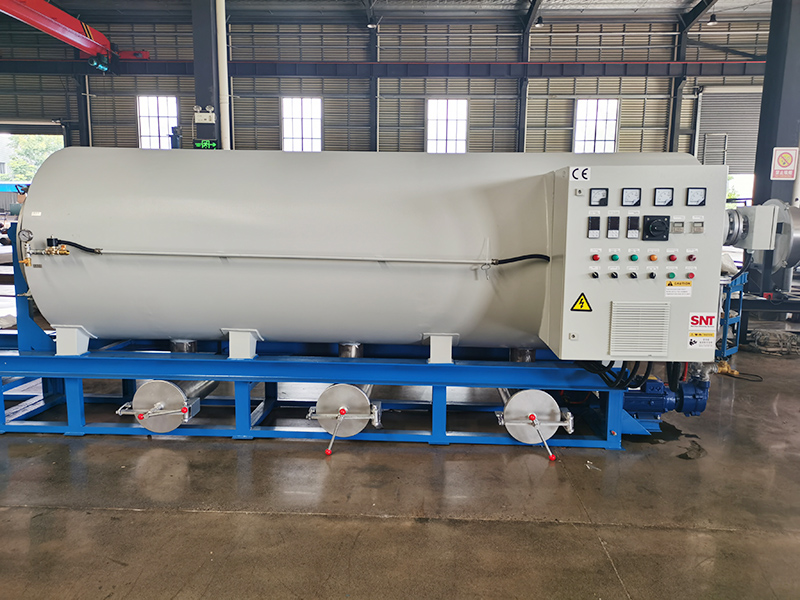
Installing screw cleaning furnaces in high-humidity southern industrial regions requires targeted adjustments to counteract prolonged damp seasons, frequent condensation, and elevated ambient moisture levels that are rarely seen in drier northern sites. Many standard installation workflows do not account for weeks of continuous high relative humidity, sudden monsoon rain events, and slow-evaporating moisture trapped in concrete floors, all of which can trigger hidden corrosion, electrical faults, and inconsistent furnace performance over time. A humidity-optimized installation process locks in long-term operational stability before the equipment ever reaches full production mode.
Site layout and moisture-separated base preparation
The first critical step is to separate the furnace body from the continuously damp factory floor to prevent trapped ground moisture from seeping upward into the equipment structure. Installation teams first confirm the selected location sits far away from exterior walls that are prone to rainwater seepage and low-lying areas where condensed water tends to accumulate after heavy rainfall. They raise the entire equipment base a safe height above the finished floor level, then lay a full layer of waterproof, moisture-blocking material between the furnace support frame and the concrete surface. This stops slow capillary moisture from rising through the floor, prevents long-term rust formation on the bottom metal frame, and avoids the situation where humid air gets trapped in the narrow gap between the base and ground, leading to persistent hidden corrosion.
Electrical cabinet and control system anti-humidity deployment
High ambient humidity poses the most immediate risk to sensitive electrical and control components, as moist air can easily trigger circuit board leakage, contact oxidation, and unexpected signal drift if left unaddressed. Technicians ensure all electrical cabinet air inlets are fitted with dust and moisture filtering components, and position dedicated constant-temperature heating and dehumidification devices at the lowest point inside each cabinet, where moist air naturally settles. All electrical connection terminals, plug-in interfaces, and exposed copper conductor surfaces are treated with anti-oxidation, moisture-blocking protective coatings, and the entire control cabinet is fitted with a positive-pressure slight ventilation system that continuously circulates dry internal air, stopping humid outside air from seeping in during extended shutdown periods.
Furnace chamber and ventilation system anti-condensation tuning
Frequent large temperature differences between the hot inner chamber and moist outside air can easily trigger heavy condensation on inner metal walls, air duct surfaces, and even inside the process circulation path. Installation teams add a full layer of high-performance thermal insulation on both the inner and outer sides of all ventilation ductwork, to ensure the surface temperature of every pipe section never drops close to the local dew point under normal operating conditions. They also adjust the exhaust and fresh air mixing ratio parameters during commissioning, to maintain a slight continuous airflow that carries away residual moist vapor immediately after each high-temperature cleaning cycle ends. This prevents water vapor from cooling and condensing inside the furnace chamber when the equipment stops heating, eliminating the hidden risk of dripping water corroding internal components or interfering with subsequent cleaning runs.