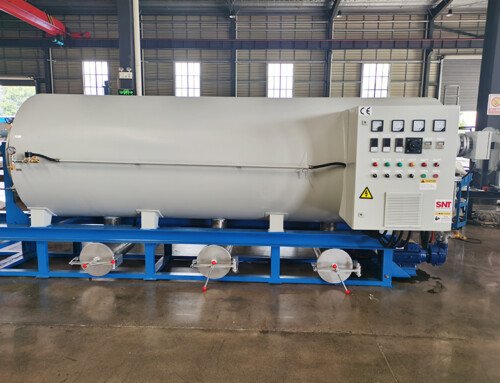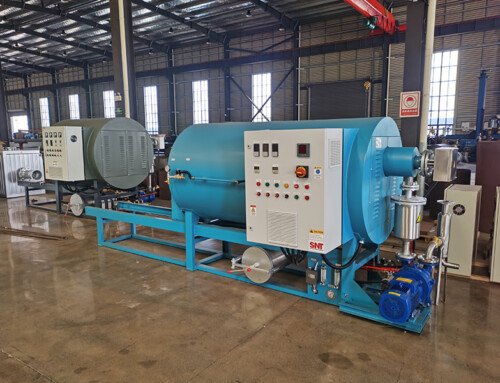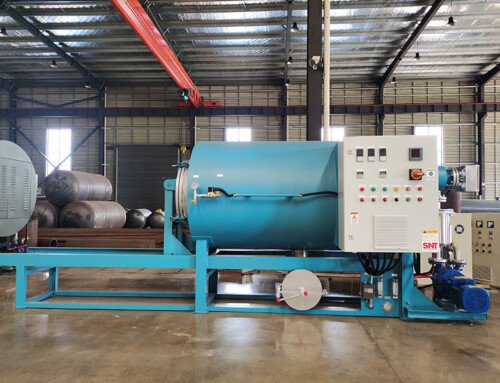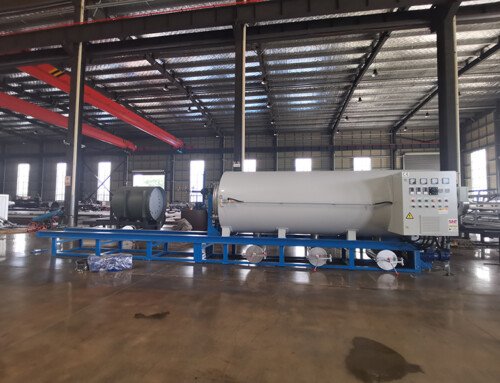
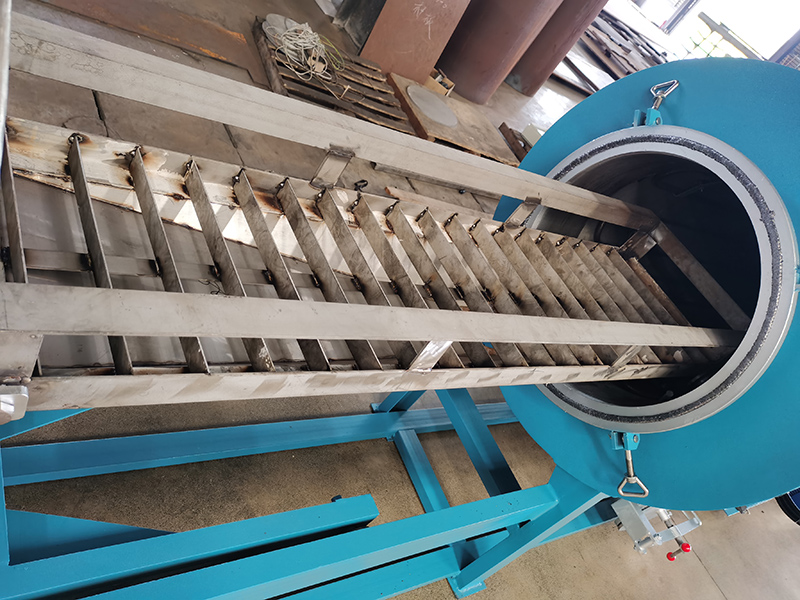
Screw cleaning oven exhaust emission installation planning
A well-structured exhaust emission installation plan for a screw cleaning oven prevents residual fumes, fine particulate, and heated volatile matter from accumulating inside the workshop, while ensuring the cleaning process runs consistently without unexpected pressure fluctuations that disrupt thermal performance. Poorly planned exhaust layouts often lead to uneven fume capture, backflow of contaminated air back into the work zone, or unnecessary turbulence that forces the extraction system to work far harder than it needs to. A properly executed installation aligns the full exhaust path with the oven’s thermal flow characteristics, daily workflow patterns, and site ventilation rules to create a system that operates reliably with minimal routine maintenance.
Pre-installation site assessment and airflow mapping
Before any ducting work begins, teams conduct a full walkthrough to map the oven’s natural thermal plume behavior during a standard cleaning cycle. They observe how heated fumes rise and disperse immediately after the oven door is opened, and identify the zones where concentrated exhaust tends to linger if not captured quickly. This data defines the exact capture point position, so the inlet hood can be placed directly in the path of rising fumes, rather than mounted in a distant location that relies on excessive air velocity to pull contaminants through long duct runs.
Teams also map existing site ventilation flows nearby, including general workshop supply air vents, overhead ceiling fans, and exhaust points for other nearby thermal processing equipment. They make sure the planned exhaust capture path will not fight against cross drafts that could push fumes away from the hood before they can be extracted. This step also identifies nearby walkways, operator workstations, and material handling paths, so no part of the exhaust layout obstructs regular daily movement around the oven.
The full exhaust discharge path outside the building is also surveyed at this stage. Teams confirm that the final outlet will not discharge fumes near building fresh air intakes, employee outdoor break areas, or neighboring property lines, to prevent extracted contaminants from being pulled back into the facility or creating unnecessary exposure for people working nearby. This early site survey eliminates common layout conflicts that would only be discovered after ducting installation is already underway.
Capture hood and duct routing design
Once the site airflow map is finalized, teams define the exact position and mounting structure for the primary fume capture hood. The hood is positioned directly above the oven’s main access door, at a height that creates a consistent low-pressure zone across the entire opening where fumes escape when the door is lifted. It is sized wide enough to cover the full area of rising thermal plumes, so no concentrated pockets of exhaust drift around the edges of the hood and into the surrounding workshop air. The mounting structure is built strong enough to support the full hood weight, and leaves enough clearance for operators to fully open the oven door, load and unload long screw components, and perform routine interior cleaning without hitting their heads or bumping equipment against the ductwork.
Duct routing follows the shortest, most direct path possible from the capture hood to the exterior discharge point. Teams minimize the number of sharp 90-degree bends in the run, because every tight bend creates significant airflow resistance that reduces overall extraction efficiency. All gradual directional changes are aligned with the natural direction of airflow, to keep fumes moving smoothly through the duct without settling into low-velocity dead zones where particulate can build up over time.
Access panels are installed at every strategic point along the duct run, including near the capture hood, at every directional bend, and at the base of any vertical duct riser. These panels let maintenance teams open the duct quickly to inspect for residue buildup, perform internal cleaning, and clear any minor blockages without needing to disassemble large sections of permanently sealed ductwork. This small design choice drastically cuts down the time needed for periodic exhaust system upkeep, and prevents hidden accumulated residue from restricting airflow over months of operation.
System balancing and post-installation performance validation
After all ducting is fully assembled, teams run a complete system balancing process to confirm airflow levels are consistent across the full exhaust path. They measure air velocity at the capture hood face, and adjust the system to maintain a steady intake speed that pulls all rising fumes into the hood without creating excessive turbulence that would suck in unnecessary volumes of surrounding clean air. This balanced setup ensures the system operates efficiently, without wasting energy moving more air than is actually needed for full fume capture.
Teams also check for negative pressure stability inside the oven chamber during active operation. The exhaust flow rate is calibrated so the oven maintains a very slight negative pressure relative to the surrounding workshop, which prevents any fumes from leaking out through small gaps around the door seal or exhaust ports during the heating cycle. This eliminates the slow, unseen seepage of volatile matter that can leave thin layers of residue on nearby work surfaces over time.
The final validation step runs through multiple full screw cleaning cycles, with operators opening and closing the oven door at the exact timings used during normal daily production. Teams check that no visible fumes escape into the workshop breathing zone, that airflow remains stable across the full runtime, and that no unexpected vibration or noise issues appear in the ductwork at full operating speed. All measurement points are logged for future reference, so maintenance teams can compare readings during later inspections to spot gradual airflow drops caused by residue buildup, before the system loses enough performance to let fumes escape into the work area.