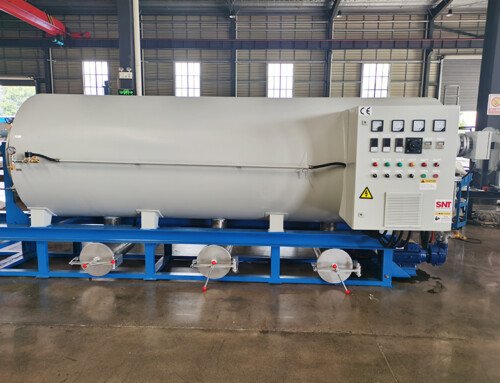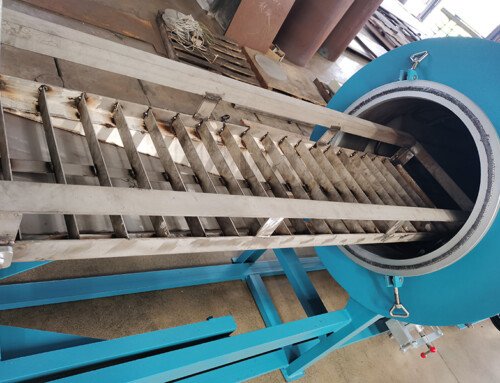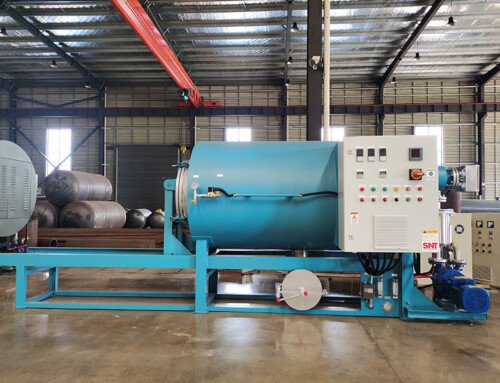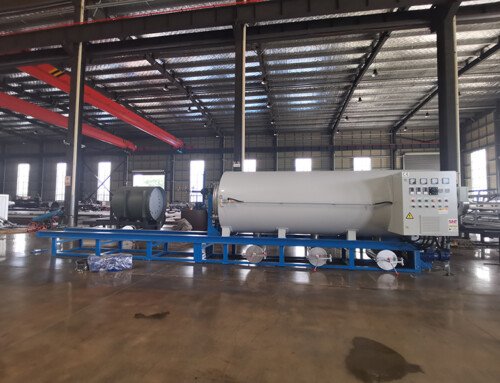
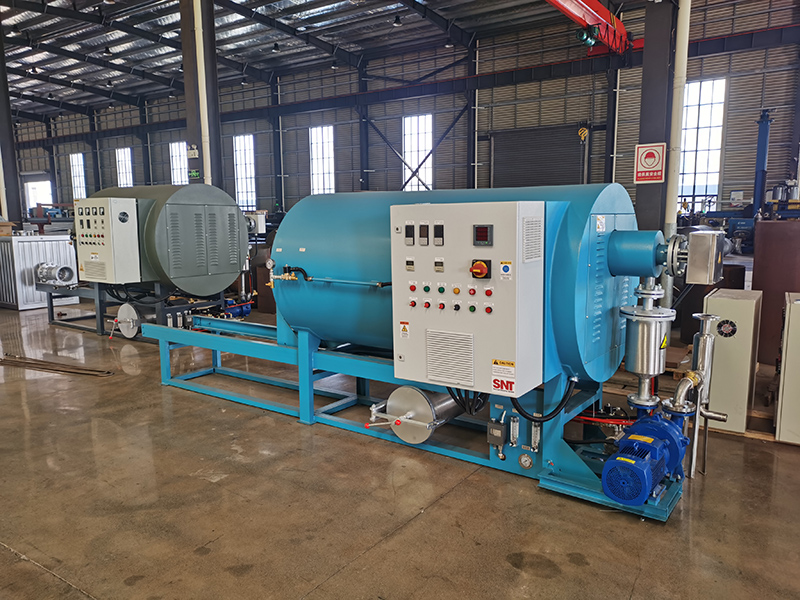
Proper spacing between a screw cleaning furnace and its supporting auxiliary equipment is a critical layout consideration that prevents operational bottlenecks, simplifies routine maintenance and eliminates hidden safety risks in industrial cleaning workshops. When gaps between units are poorly planned, even a seemingly small lack of clearance can disrupt the full cleaning workflow and create unaddressed hazards during extended daily operation.
Workflow-aligned primary equipment spacing
The core distance between the screw cleaning furnace and its immediately connected upstream and downstream supporting units must be sized to match the full length of the screw components that will be moved between stations during normal operation. Leave enough unobstructed flat floor space between the loading preparation station and the furnace inlet, so operators can lay out long screw assemblies fully without forcing them to bend or tilt during the transfer process.
Avoid making this gap unnecessarily narrow, as tight clearances can cause operators to accidentally scrape screw threads against adjacent equipment surfaces during movement, creating unexpected damage to precision components. At the same time, excessively large empty gaps waste valuable workshop floor space and add unnecessary extra walking distance for operators moving heavy components back and forth across the workflow. Balancing this spacing to match the actual component size creates a smooth, unobstructed material flow that keeps the full cleaning process running efficiently.
Maintenance access reserve between auxiliary units
Beyond the workflow movement space, every auxiliary unit including dust collection systems, oil mist extraction equipment and cooling assemblies must have dedicated reserved clearance space that is never blocked by stored materials. Leave enough open space around the rear and side faces of each supporting unit for technicians to fully open inspection panels, replace filter elements and perform routine cleaning work without needing to move or disconnect adjacent equipment first.
Make sure there is a clear dedicated path leading to every emergency shutoff point on every supporting unit, so any operator can reach and activate the safety control immediately without stepping over cables, hoses or stacked components. This spacing rule prevents small layout oversights from turning minor routine maintenance tasks into time consuming, awkward operations that get delayed or skipped entirely during busy production shifts.
Ventilation and heat dissipation clearance planning
Every unit in the full screw cleaning system generates different amounts of waste heat, fine particulate or oil mist during normal operation, and proper spacing ensures these byproducts do not interfere with the stable performance of adjacent equipment. Do not position heat sensitive supporting electrical control cabinets directly within 1 meter of the outer shell of the screw cleaning furnace, as sustained radiated heat can raise internal component temperatures and shorten the service life of sensitive electronics.
Leave enough open air circulation space between the exhaust outlet of the furnace and the air intake of the dust collection unit, so high temperature exhaust does not get pulled directly into the filter system and create unnecessary thermal load on filter media. Avoid clustering multiple heat generating supporting units tightly together in a small confined gap, as this creates localized hot spots that can drive up operating temperatures across the entire system and trigger unexpected overheating protection shutdowns.
Safety buffer separation from unrelated workshop zones
The full set of screw cleaning furnace supporting equipment must also maintain adequate spacing from unrelated production work areas, raw material storage zones and high traffic workshop walkways. This separation prevents unrelated personnel from accidentally coming into close contact with high temperature furnace surfaces or moving heavy cleaning equipment while passing through the area.
Position the oil mist filtration and exhaust treatment units far enough away from open flame equipment or high temperature processing stations in adjacent workshop zones, to eliminate any potential risk of flammable accumulated mist coming into contact with unintended high temperature sources. This final layer of spacing planning ensures the entire cleaning system operates as a contained, low risk zone that does not introduce hidden hazards to other parts of the production facility.