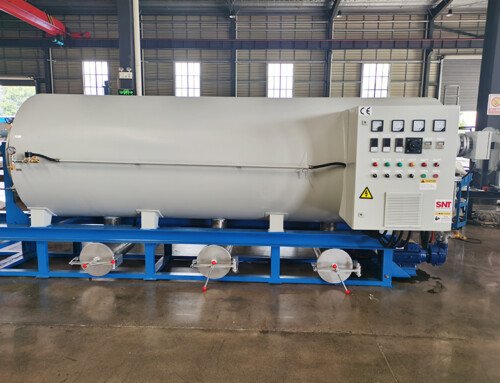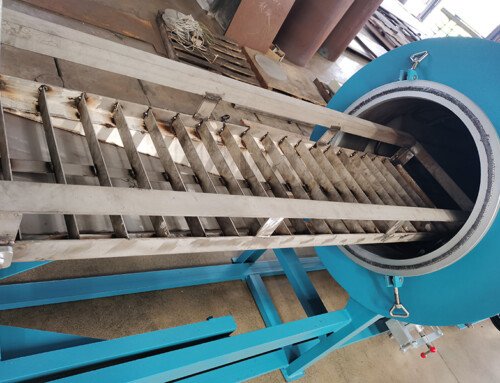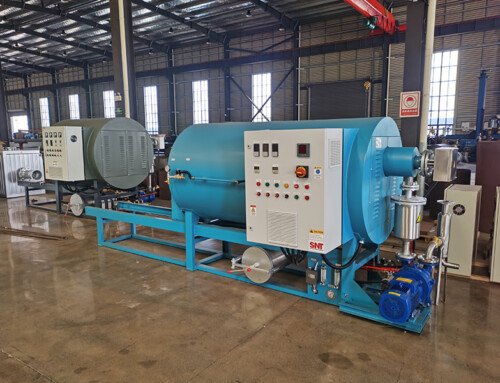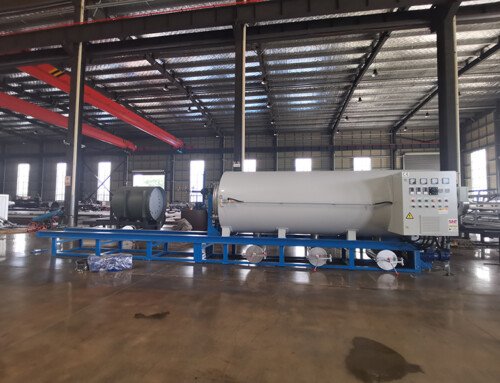
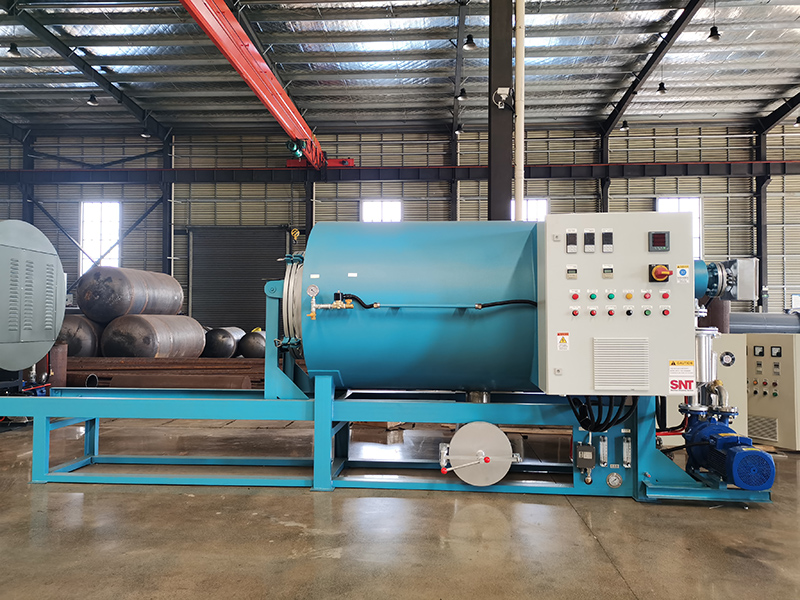
Corner placement of a screw cleaning furnace inside an industrial workshop requires careful planning that balances space efficiency, operational safety and long term equipment performance, even in the most underutilized areas of a production facility. A poorly arranged corner layout can create hidden ventilation dead zones, obstruct critical maintenance access and introduce unnecessary operational risks that only become apparent after extended use.
Corner site pre-installation environmental survey
Before moving any equipment into the selected corner, conduct a full on-site survey to map out all existing structural constraints that will affect long term operation. Check the load bearing capacity of the floor in the corner area to confirm it can safely support the full weight of the unit plus all loaded fixtures and components during peak operation, and rule out any hidden floor settlement risks that could develop over months of continuous use.
Measure the distance from nearby walls, structural columns and adjacent production equipment to ensure the unit will not be trapped in a tight pocket that blocks natural air circulation. Identify the nearest permanent ventilation outlet and confirm no existing large heat generating equipment is positioned close enough to create persistent hot air buildup around the corner location. This full pre-installation survey eliminates hidden environmental risks before the equipment is even moved into position.
Clearance and access zone planning around the unit
Even when placing the furnace in a space-saving corner layout, never push the unit completely flush against both adjacent walls. Reserve a narrow but unobstructed gap along the rear and side faces that face the walls, large enough for a technician to access the rear of the unit for routine heating element inspection, wiring checks and accumulated ash cleaning.
Leave the full front face of the unit completely clear of any obstacles, stacked materials or temporary workbenches, to create a dedicated operating zone that gives operators unobstructed access for loading and unloading heavy screw components, adjusting control settings and performing emergency shutdown actions if an unexpected operational issue occurs. Mark this access zone clearly on the floor to prevent unrelated workshop items from being stored in the area over time, which would gradually block critical movement paths and turn a properly planned layout into a constrained, unsafe working space.
Ventilation and heat dissipation arrangement optimization
Corners are naturally prone to poor air circulation and trapped heat buildup, which can cause the outer surface temperature of the furnace to rise far higher than it would in an open workshop area. Align the unit’s built-in cooling fan exhaust outlet to point toward the nearest main workshop ventilation path, so hot air discharged from the furnace does not recirculate directly back into the small enclosed corner space.
Avoid positioning the unit’s air intake vents directly facing a solid wall, as this will severely restrict the flow of cooling ambient air into the equipment and lead to sustained overheating of internal electrical components. If natural cross ventilation in the corner is extremely limited, add a dedicated local exhaust fan positioned to pull accumulated hot air out of the corner area and direct it toward the main workshop ventilation system. This simple adjustment prevents trapped heat from creating long term overheating risks that would shorten the service life of the equipment.
Operational safety and workflow compatibility check
After the unit is positioned in the corner, verify that the main power shutoff switch, emergency stop button and all safety alarm indicators are fully visible and easily reachable for any operator working in the area. Confirm the layout does not force operators to stretch across hot surfaces or maneuver heavy loaded screw components around sharp structural corners during loading and unloading operations, which would increase the risk of accidental contact with high temperature surfaces.
Check that the new corner location does not disrupt the existing material flow path for dirty screws coming in from the production line and cleaned screws moving out to the reassembly station. A well planned corner placement should free up more valuable central workshop space without creating new workflow bottlenecks or hidden safety hazards that compromise daily operational efficiency.