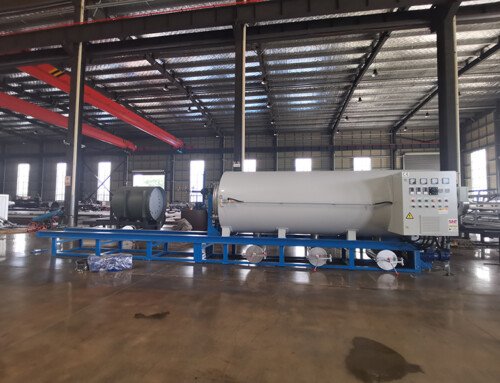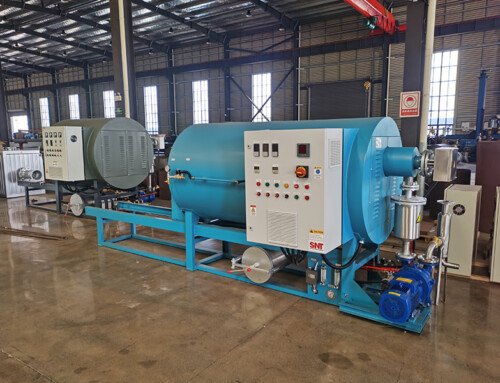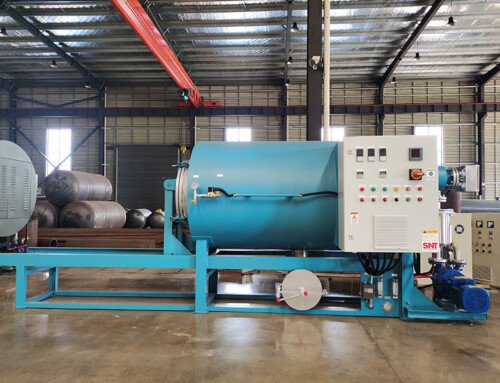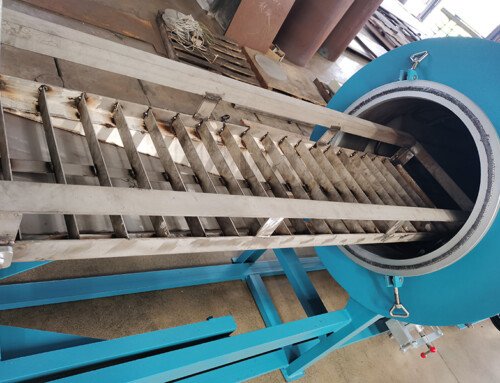
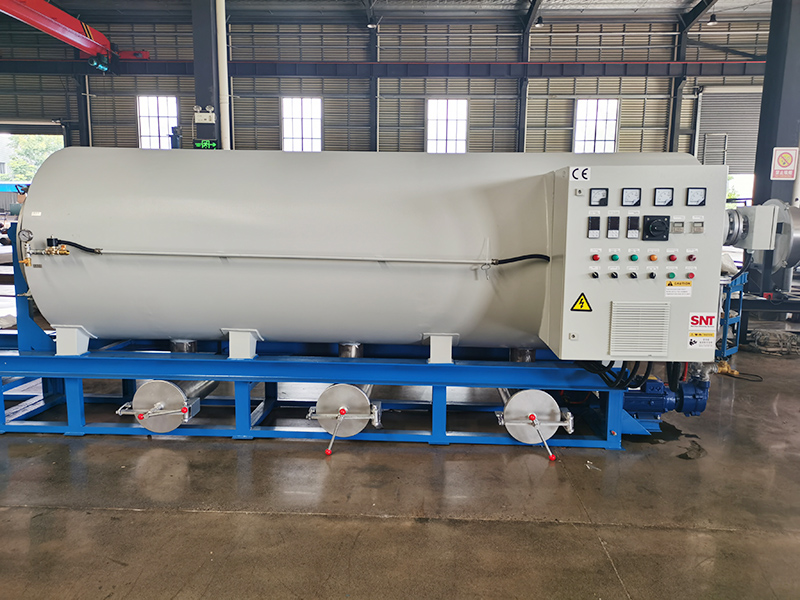
Operating a screw cleaning furnace in an outdoor unenclosed environment carries unique operational risks that do not appear under standard indoor workshop conditions, making clear forbidden practices a critical part of preventing sudden equipment damage, performance drift, and avoidable safety hazards. Many teams underestimate how much open-air environmental factors can disrupt the unit’s high-temperature operation, internal sealing performance, and long-term structural stability over repeated use. Every listed forbidden practice comes from documented on-site operational experience, helping teams steer clear of hidden mistakes that can lead to unexpected downtime or costly component failure.
Unprotected Direct Exposure to Long-Term Rain and Moisture
Leaving the unit fully exposed to continuous rain, heavy dew, or standing pooled water is one of the most dangerous outdoor operating mistakes that should be strictly avoided at all times. Moisture that seeps into internal electrical connection points can trigger sudden short circuits, corrode high-temperature sealing surfaces, and create unexpected steam pressure buildup inside the heating chamber that disrupts normal operation. Even small amounts of consistent dew accumulation can slowly degrade the performance of temperature sensors and insulation layers over weeks of outdoor use, leading to inaccurate temperature readings and uneven heating during cleaning cycles. No outdoor placement should ever skip a properly structured overhead shelter and side weather shielding system that blocks direct rain contact, and teams should never start an operating cycle if the unit’s external surfaces and wiring points are already visibly damp. This rule applies even for short-term temporary outdoor use, as sudden unexpected rain showers can arrive far faster than most teams can move heavy equipment back indoors.
Operation Without Wind Direction and Ambient Condition Pre-Assessment
Running the unit without first checking real-time outdoor wind direction and nearby air quality conditions creates hidden risks that can quickly escalate during a high-temperature cleaning cycle. Strong sustained winds blowing directly toward the unit’s exhaust outlet can force hot fumes and residual waste smoke back into the heating chamber, disrupting normal pressure balance and pushing contaminated air back out through unsealed access points. Operating in open areas during heavy dust storms, nearby open burning events, or dense fog conditions can also pull large volumes of particulate matter and moisture into internal ventilation systems, clogging filters and leaving unwanted residue on heating elements. Teams should never start a cleaning cycle without first confirming that prevailing winds will carry exhaust fumes away from personnel work zones, and that no sudden weather shifts or nearby industrial activities will create unexpected harsh ambient conditions mid-operation. Skipping this pre-check step can turn a routine cleaning run into a messy, unplanned cleanup task that takes hours to resolve.
Placing the Unit Directly on Uneven Unprepared Outdoor Ground
Setting the furnace down directly on loose dirt, gravel, sloped grass, or uneven unfinished ground is a forbidden practice that creates subtle long-term structural problems most teams do not notice until serious damage appears. Continuous high-temperature operation can dry out and soften uncompacted ground beneath the unit, causing slow, uneven structural tilt that puts abnormal stress on internal heating chamber seals and rotating components. Even a small tilt of a few degrees can disrupt the unit’s internal material flow, create uneven heat distribution across the chamber, and lead to premature wear on moving parts that are designed to operate on a perfectly level, stable base. No outdoor placement should ever proceed without first laying down a solid, flat, rigid base that spreads the unit’s full weight evenly across the ground surface, and teams should never place the unit on surfaces that can shift, sink, or tilt after repeated cycles of heating and cooling. This mistake often goes unnoticed for weeks, until unexpected operational faults start appearing with no obvious root cause.
Running Full Unattended Cycles During Extreme Temperature Swings
Leaving the unit running a full unattended cleaning cycle outdoors when sudden large temperature shifts are forecast is a practice that must be strictly avoided at all times. A sharp, unexpected drop in outdoor temperature mid-cycle can cause rapid uneven cooling across the heating chamber’s metal structure, creating thermal stress that deforms sealing surfaces and breaks loose insulation material inside the unit. Extreme high ambient temperature conditions with no shade cover can also push the unit’s internal cooling and ventilation systems far beyond their designed operating limits, triggering unplanned overheat shutdowns or unexpected component trips. Teams should never start a long cleaning cycle outdoors if no trained on-site personnel will be present to monitor conditions through the full run, and they should never operate the unit through forecasted extreme weather events that push far outside the equipment’s rated ambient temperature range. This small precaution prevents a huge number of easily avoidable outdoor equipment failures that can take days to fully repair.