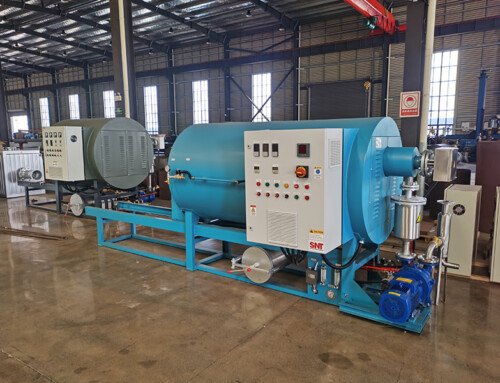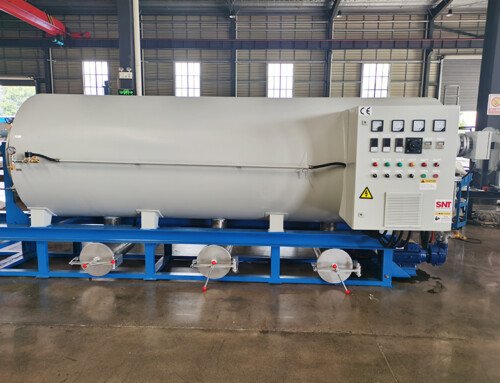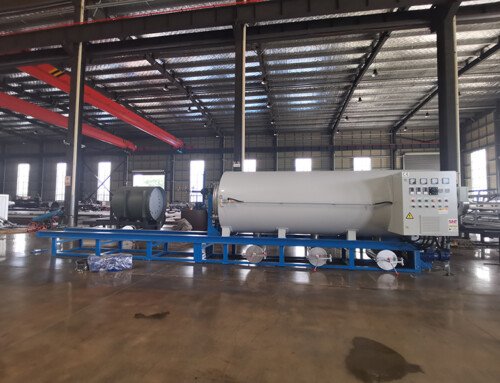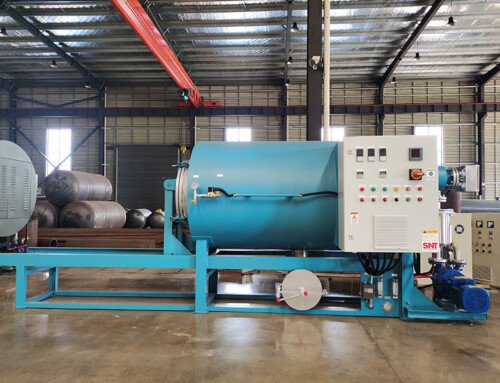
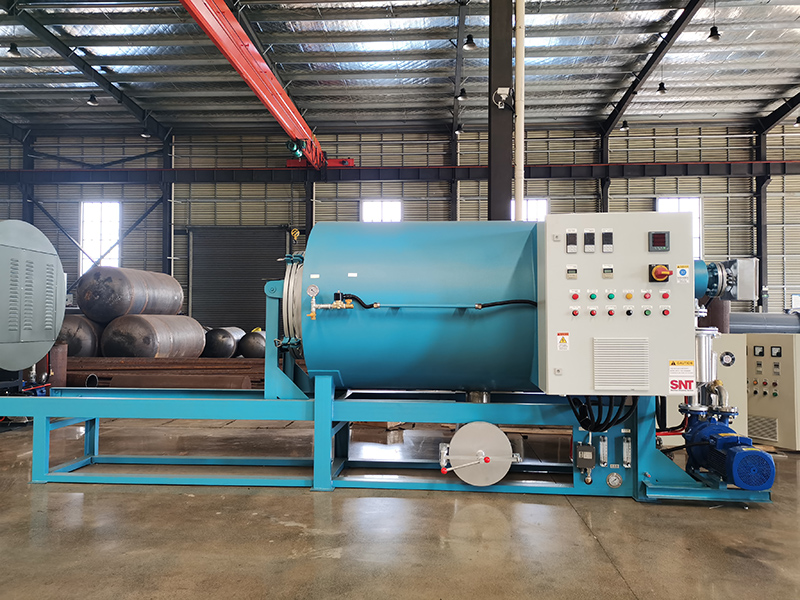
A sudden or gradual increase in energy consumption by a screw cleaning furnace is a significant operational indicator, often pointing to underlying inefficiencies that reduce thermal performance and increase processing costs. Unlike catastrophic failures that halt production, rising energy use is a symptom that requires systematic investigation across the furnace’s heating, insulation, and process control systems. Effective troubleshooting focuses on identifying and rectifying the root causes of heat loss, extended cycle times, or excessive electrical demand.
Analyzing heating system and thermal efficiency losses
The furnace’s heating elements and their control systems are the primary energy consumers, and their degradation is a common source of increased power draw.
Begin by inspecting the heating elements themselves. Over many cycles, elements can sag, develop hot spots, or thin out due to oxidation, leading to increased electrical resistance. A higher resistance requires more current (and thus more energy) to achieve the same heating power. Use a clamp meter to measure the current draw of each heating zone during a stable high-temperature hold and compare it to the manufacturer’s baseline or historical data. A zone drawing 10-15% more current than others likely has failing elements. Visually inspect elements for discoloration, sagging, or sections that appear duller or brighter than the rest while the furnace is hot (using the viewport, if available).
Next, evaluate the thermal insulation integrity. The refractory brickwork or ceramic fiber insulation lining the chamber can degrade over time. Physical damage from tooling impact, thermal shock from rapid cooling, or simple aging can cause insulation to crack, compact, or fall away. This creates “thermal bridges” where heat escapes directly through the furnace shell. A clear sign is an unusually hot exterior casing during operation, which can be quantified with a thermal imaging camera. Heat escaping the chamber means the heating elements must work longer and harder to reach and maintain the setpoint, directly increasing energy consumption per cycle.
Finally, assess the control system’s accuracy. Faulty temperature sensors (thermocouples) or drifting PID controller parameters can cause the system to overshoot the target temperature or oscillate around it, wasting energy. Log the temperature profile of a standard cycle and look for excessive overshoot or prolonged stabilization times. A well-tuned system should reach setpoint with minimal overshoot and maintain a tight temperature band.
Investigating process and mechanical inefficiencies
Operational practices and the mechanical condition of auxiliary systems can also force the furnace to consume more energy to complete its work.
Examine the loading practices. Overloading the furnace basket beyond its design capacity forces the system to heat a much larger thermal mass. While the furnace may eventually reach temperature, it will take significantly longer, and the total energy consumed (kilowatt-hours) will be much higher. Conversely, underloading is also inefficient, as the furnace spends energy heating empty space. Establishing and adhering to optimal load weight and density guidelines is crucial for energy efficiency.
Check the vacuum system’s performance. A screw cleaning furnace relies on a high vacuum to lower the combustion point of polymers and prevent oxidation. A slow pump-down due to vacuum leaks, worn pump vanes, or clogged filters means the heating cycle starts later, extending total process time. More critically, a poor vacuum during the heating phase reduces the efficiency of the pyrolysis process, potentially requiring higher temperatures or longer soak times to achieve the same cleaning result, both of which increase energy use. Monitor pump-down times and the ultimate vacuum pressure achieved.
Inspect door seals and chamber integrity. Worn or damaged door gaskets are a major source of air ingress and heat loss. Even a small leak allows ambient air to enter, which the vacuum pump must continuously remove, increasing its runtime and electrical load. Furthermore, this air can carry moisture into the chamber, which requires significant energy to vaporize and heat. A simple soap bubble test around the door seal during a vacuum hold can reveal leaks.
Proactive monitoring and maintenance protocols
Implementing a data-driven maintenance schedule can detect efficiency drops early, before they manifest as sharp increases in the energy bill.
Establish a baseline and track key performance indicators (KPIs). Record the standard energy consumption (in kWh) for a specific, repeatable cleaning cycle with a standard load. Track this metric monthly. Also, record the time it takes to reach operating temperature from a cold start and the pump-down time to reach a specified vacuum level. A gradual increase in any of these metrics signals developing inefficiency.
Perform scheduled infrared thermography surveys. Annually, or after any major maintenance, use a thermal camera to scan the furnace exterior during a high-temperature cycle. This visual map will clearly show any areas of abnormal heat loss, pinpointing failing insulation, leaking seals, or overheating electrical connections before they lead to higher energy costs or component failure.
Conduct regular calibration and system checks. Calibrate all temperature sensors annually against a certified standard. Check and tighten all electrical connections at terminal blocks, as loose connections create resistance and generate waste heat. Inspect and clean the vacuum pump’s oil, filters, and cooling fins according to the manufacturer’s schedule. A well-maintained auxiliary system reduces the total system load on the furnace’s power supply.