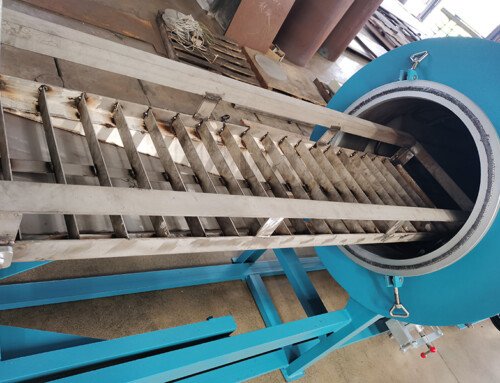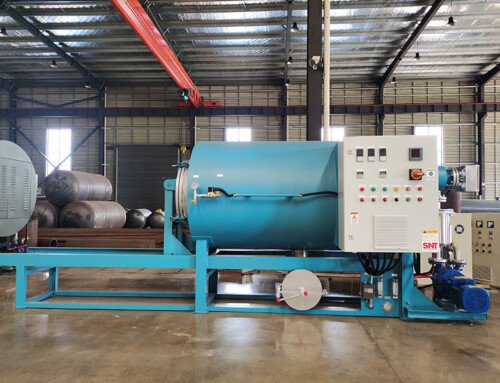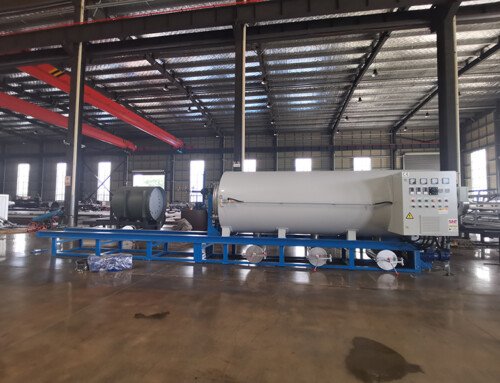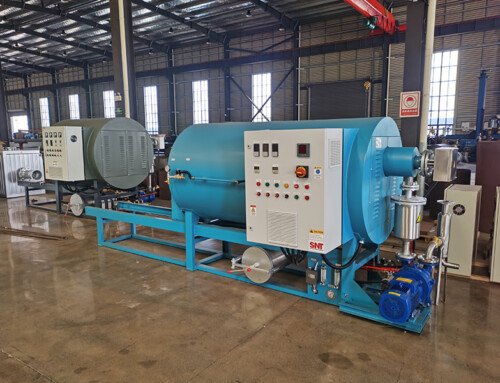
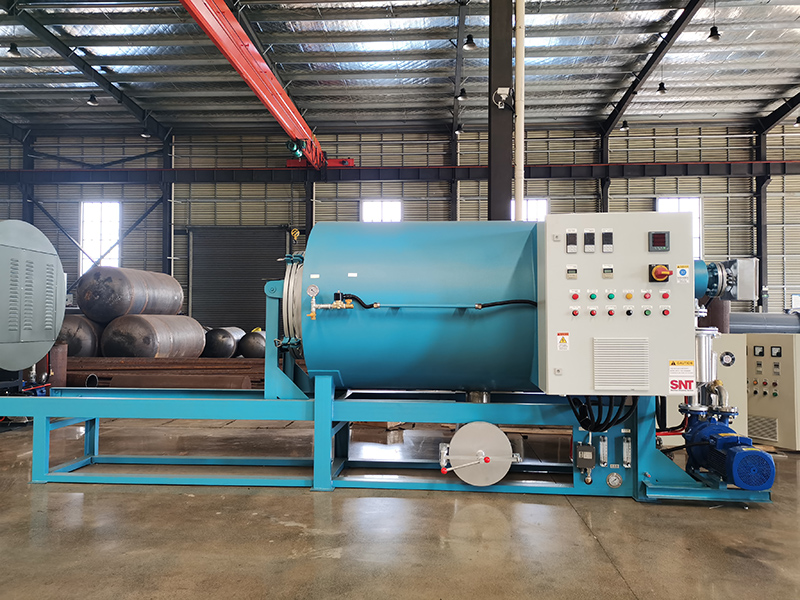
Screw cleaning furnace post-repair commissioning and reset procedures are critical steps that confirm all recent maintenance actions are properly integrated and the unit can return to stable, consistent operation without unexpected alarms or performance deviations. Even minor oversights during this phase can leave hidden residual issues that lead to unplanned shutdowns or incomplete cleaning cycles during full production use.
Pre-Reset System Verification Before Power Re-Application
Before initiating any formal reset operation, walk through every component that was accessed, disassembled, or adjusted during the recent repair work. Confirm all fasteners, connection points, and access panels are secured to the correct torque level, no loose tools or leftover debris remain inside the furnace chamber, and all wiring harnesses that were disconnected for service are reconnected with no exposed conductors or pinched insulation. Double-check that all temporary safety locks and tags placed during maintenance work have been fully removed, and no manual override switches are left in positions that would bypass built-in safety protections during startup.
Confirm Full Closure of All Safety Interlock Circuits
Go through every access door, pressure relief port, and temperature safety switch one by one to confirm each interlock returns a normal closed signal to the main control system. Open and close each door manually to trigger the interlock, then verify the control panel registers the correct open and closed state for every position, so the furnace will not attempt to start a heating cycle with an unsecured access point. Test the over-temperature safety circuit separately by simulating a temperature value above the normal operating threshold, and confirm the system triggers a hard alarm and cuts power to the heating elements immediately, rather than allowing the cycle to continue running past safe limits.
Execute Staged Control System Reset and Parameter Calibration
Start the reset process with the unit in full standby mode, with no active heating or circulation functions running. Clear all historical fault logs and temporary maintenance flags stored in the control system memory, then manually reset the runtime counters that track service intervals and cycle usage, so the system can begin accumulating accurate new operational data after the repair. Re-enter all core operating parameters including target heating ramp rates, maximum soak temperature, and controlled cooling curve values, even if these settings were not changed during the repair, to eliminate any residual corrupted data that may have been stored before the fault occurred.
Run No-Load Pre-Heating and Functional Validation
With no workpieces loaded inside the furnace chamber, initiate a short, low-temperature test cycle to observe the full sequence of system behavior. Confirm the heating elements activate in the correct staged order, air flow or vacuum levels stabilize within the expected range, and all temperature sensors return consistent, matching readings across the full heating ramp. Monitor the full test cycle from startup through controlled shutdown, and confirm no hidden alarms, unexpected pressure spikes, or abnormal component noises appear at any stage of operation. Once the no-load cycle completes without issues, run one full standard cleaning cycle with a test workpiece to confirm the system delivers the same level of cleaning performance it did before the original fault occurred.