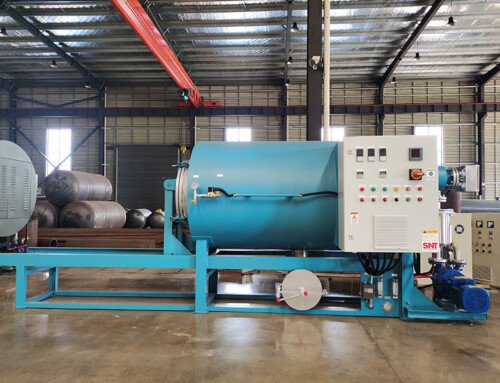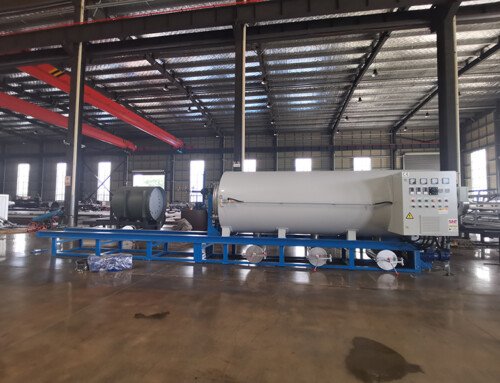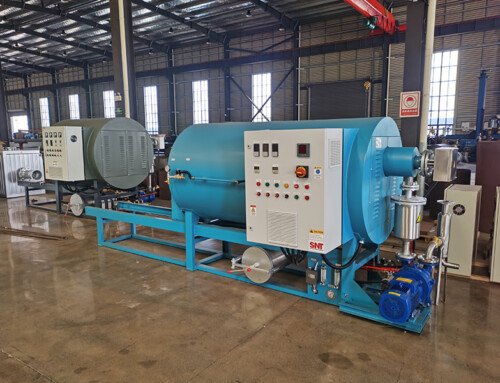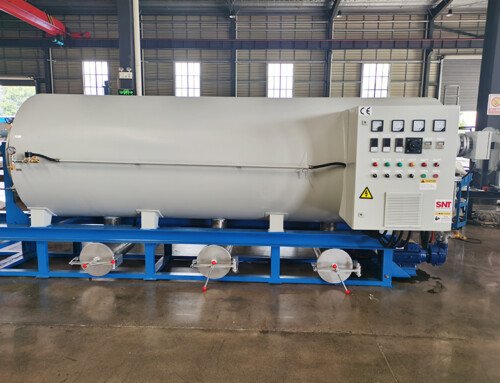
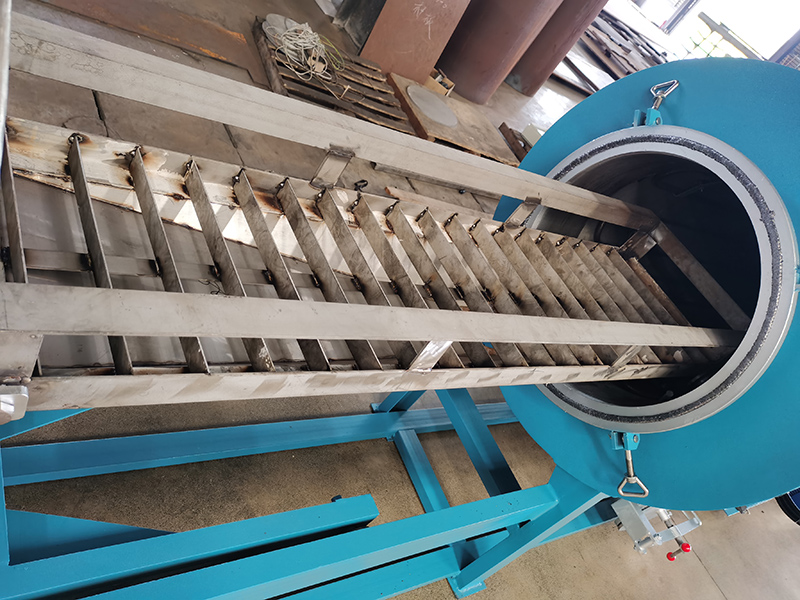
Preventing age-related failures in a screw cleaning furnace requires a shift from reactive repair to a proactive, condition-based maintenance philosophy. Unlike sudden catastrophic failures, aging manifests as a gradual degradation of components—increased electrical resistance in heating elements, diminished efficiency in thermal insulation, wear in screw flights and barrel liners, and the cumulative fatigue of seals and gaskets. A systematic preventive strategy focuses on monitoring these degradation pathways, intervening before they cross a critical threshold that leads to unplanned downtime, process contamination, or safety incidents. This approach transforms the equipment’s lifecycle from a timeline of inevitable breakdowns to one of predictable, managed renewal.
Implementing a Structured Condition Monitoring Regime
The cornerstone of aging management is the establishment of a scheduled condition monitoring program. This involves collecting and trending operational data to establish a baseline of “normal” performance for the specific unit. Key parameters to monitor include:
- Thermal Profile Analysis: Regularly logging and comparing temperature readings from multiple zones along the barrel. A gradual increase in the power required to maintain setpoints, or the development of “hot” or “cold” spots, can indicate declining heating element efficiency, deteriorating insulation, or scaling on the internal barrel surface.
- Drive System Performance: Tracking the amperage draw and torque output of the main screw drive motor under standard load conditions. A steady increase in amperage for the same rotational speed can signal growing friction due to screw or barrel wear, misalignment, or bearing degradation. Vibration analysis of the drive train can also detect early signs of bearing wear or imbalance.
- Pressure and Vacuum Integrity: For furnaces operating under pressure or vacuum, regularly testing and documenting leak rates is crucial. A gradual increase in the time required to achieve target vacuum levels or a slow pressure drop can indicate deteriorating seal integrity at flanges, sight glasses, or door gaskets—common failure points in aging equipment.
This data should be recorded in a maintenance log or computerized maintenance management system (CMMS). By plotting trends over time, maintenance teams can move from time-based replacement (“replace every 2 years”) to condition-based replacement (“replace when efficiency drops by 15%”), optimizing part life and preventing failures.
Proactive Component Renewal and System Upgrades
Waiting for a component to fail is the most costly maintenance strategy. A proactive renewal plan targets high-wear items based on both manufacturer recommendations and the historical performance data gathered from condition monitoring.
- Wear Component Scheduled Replacement: The screw and barrel are the heart of the system. Establishing a refurbishment or replacement schedule based on measured flight wear or internal diameter change prevents a sudden loss of cleaning efficiency or material hang-up. Similarly, door and flange gaskets, which harden and lose elasticity over time due to thermal cycling, should be replaced on a preventive schedule before they cause leaks.
- Electrical and Control System Refresh: Aging often impacts control reliability. Proactively cleaning and tightening all electrical connections during annual shutdowns prevents hot spots and failures. Consider periodically upgrading outdated temperature controllers or PLC modules to newer, more reliable models before they become obsolete and difficult to replace. Re-calibrating all temperature sensors and pressure transmitters annually ensures the control system is acting on accurate data.
- Ancillary System Maintenance: The performance of the aging furnace is tied to its support systems. Regularly servicing the vacuum pump (oil changes, filter replacement, checking vanes for wear), inspecting and cleaning heat exchanger fins, and verifying the calibration of safety valves and pressure relief devices are all essential to prevent a secondary system failure from causing a primary furnace shutdown.
Operational Discipline and Environmental Control
How the equipment is operated daily has a profound impact on its rate of aging. Enforcing strict operational protocols is a powerful preventive measure. This includes adhering to defined ramp-up and cool-down cycles to minimize thermal stress on refractories and metal components. Avoiding overloading the furnace beyond its designed capacity prevents excessive mechanical stress on the drive system. Implementing and following a standardized cleaning procedure between different material batches prevents cross-contamination and corrosive buildup.
The operating environment itself is a major factor. Ensuring adequate ventilation around the control cabinet prevents dust accumulation, which can lead to electrical component overheating. Maintaining stable ambient temperature and humidity levels in the equipment room reduces condensation and corrosion on electrical panels and external surfaces. Keeping the area around the furnace clean and free of process debris prevents contaminants from being drawn into cooling fans or interfering with moving parts. These simple housekeeping and procedural disciplines significantly reduce the environmental stressors that accelerate the aging process, extending the reliable service life of the entire system.