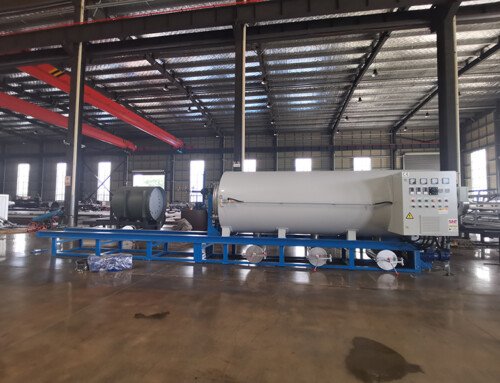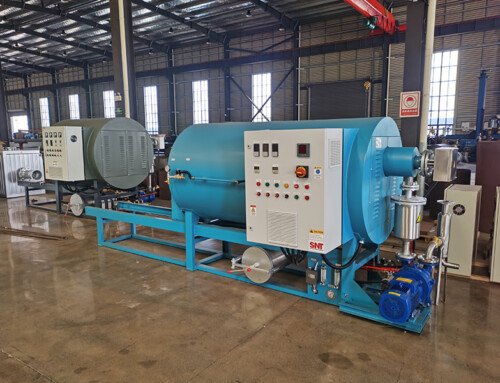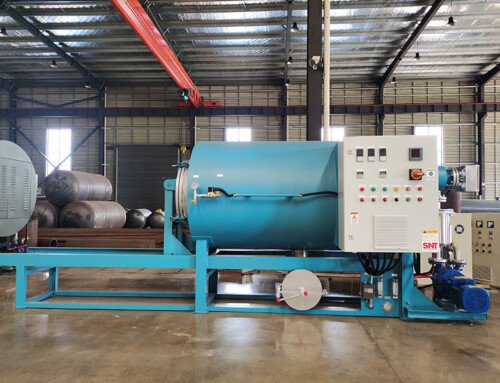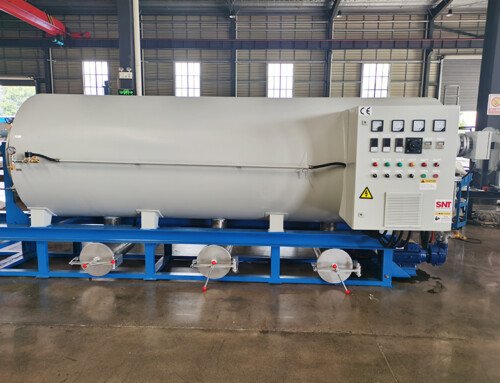
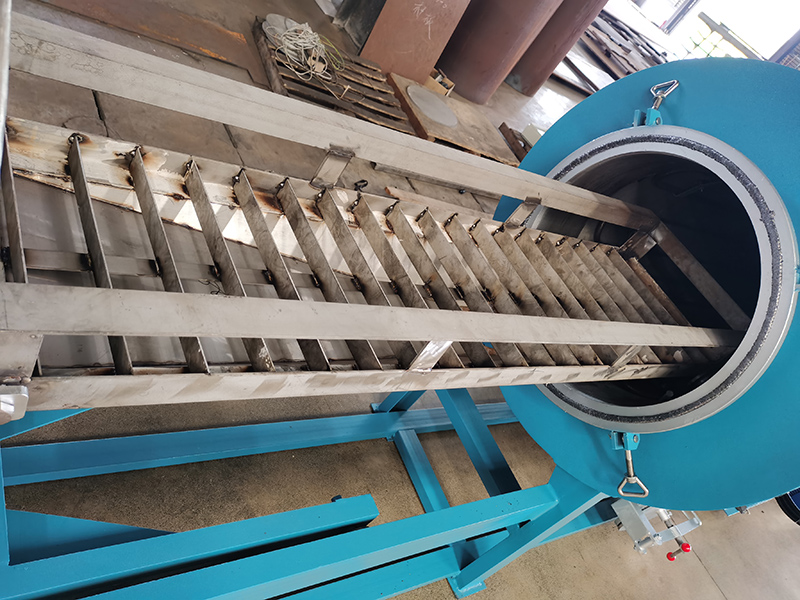
A circuit breaker trip in a screw cleaning furnace is a critical safety event that halts operation and indicates an electrical fault within the system. Identifying the specific cause requires a systematic approach, moving from the most common and easily addressed issues to more complex internal faults. Understanding the trip characteristics—whether it’s immediate, delayed, or accompanied by a residual current device (RCD) button pop-out—provides the first crucial clue for effective troubleshooting.
Immediate Trip on Power-Up: Short Circuit or Ground Fault
If the circuit breaker trips instantly upon attempting to power the furnace, the most likely culprits are a short circuit or a severe ground fault. A short circuit occurs when a live conductor (phase) makes direct contact with another live conductor or neutral, creating a massive, instantaneous current surge that the breaker detects and interrupts. This can be caused by damaged insulation on power cables inside the control panel, a failed heating element that has sagged and touched the furnace casing, or a fault in the main power contactor or transformer. A ground fault, where a live conductor contacts the grounded equipment frame, will also cause an immediate trip if a Ground Fault Circuit Interrupter (GFCI) or an RCD is part of the circuit. The initial diagnostic step is a visual inspection of all accessible wiring for signs of melting, burning, or physical damage, followed by insulation resistance testing with a megohmmeter.
Delayed or Intermittent Trip: Overload or Component Degradation
A breaker that trips after the furnace has been running for some time typically points to an overload condition or a degrading component. An overload occurs when the total current draw of the furnace’s elements, motors, and controls exceeds the breaker’s rated capacity for a sustained period. This can be caused by a failing circulation pump motor drawing locked-rotor current, a heating element beginning to short internally, or sediment buildup on elements reducing heat transfer and causing them to overheat and draw more current. Intermittent trips, especially those correlated with the startup of a specific component like the main pump or a solenoid valve, strongly suggest a problem with that device’s windings or mechanical load. Using a clamp meter to measure the current draw of each major component during operation can pinpoint the source of the overload.
Internal Control Circuit Faults and Environmental Factors
Faults within the low-voltage control circuit (e.g., 24V DC) can sometimes cause upstream protection devices to trip, especially if a fault condition back-feeds or creates an abnormal load. A stuck relay, a failed temperature controller output, or moisture-induced tracking on a printed circuit board can create unexpected current paths. Environmental factors are also significant. High ambient temperature around the electrical panel can reduce a circuit breaker’s effective trip rating. More critically, the presence of moisture, steam, or conductive cleaning agent residues inside electrical enclosures or on terminal blocks can create leakage currents, leading to nuisance trips of ground fault protection devices. Ensuring all enclosures are properly sealed and that the installation environment is controlled is a key preventive measure.