Troubleshooting Slow Heating in Screw Cleaning Furnaces
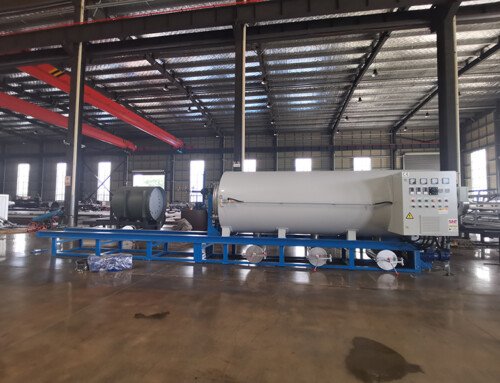
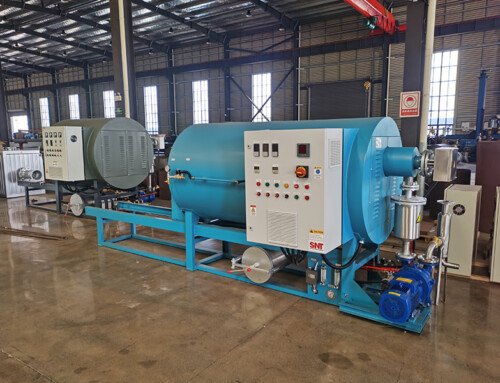
A screw cleaning furnace that takes an unusually long time to reach its target operating temperature indicates a loss of thermal efficiency, which can disrupt production schedules and increase energy costs. Slow heating is typically a symptom of issues within the heating system, heat retention, or process control. A systematic approach to diagnosing and resolving these problems can restore the furnace to its designed performance.
Inspecting Heating Elements and Power Supply
The heating elements are the primary source of thermal energy. Gradual degradation is common; visually inspect elements for signs of thinning, hotspots, blistering, or breaks. Use a multimeter to check each element’s resistance against the manufacturer’s specification—a significantly higher resistance often indicates damage or oxidation that reduces current flow and heat output. Ensure all electrical connections at the terminal blocks are clean, tight, and free from corrosion, as poor connections create resistance and voltage drop. Verify the incoming power supply voltage matches the furnace’s rating; a sustained under-voltage condition will drastically reduce the heating power output. For multi-zone furnaces, check that all zones are active and drawing current as expected.
Evaluating Insulation Integrity and Door Seals
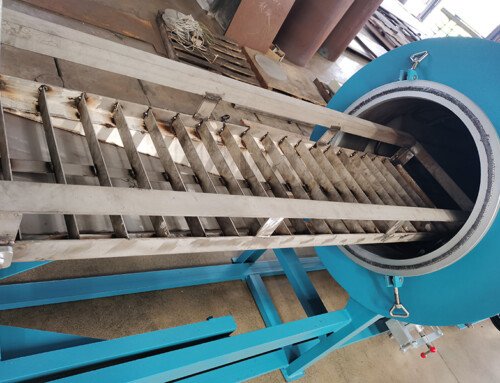
Effective insulation is crucial for retaining heat within the chamber. Over time, insulation can settle, become damaged, or absorb process oils, reducing its effectiveness. Check for excessive heat radiating from the furnace exterior walls during operation, which points to insulation failure. Inspect the door and any access port seals for wear, cracks, or compression set. A compromised door seal allows significant heat loss, forcing the heating system to work continuously just to maintain temperature. Close the door on a piece of paper; if you can pull it out easily, the seal likely needs replacement. For furnaces with internal refractory linings, look for cracks or spalling that create thermal short circuits.
Assessing Process Load and Airflow
The thermal load placed in the furnace directly impacts heat-up time. An overloaded furnace with too many screws or heavy fixtures acts as a large heat sink. Verify the load weight and distribution are within the furnace’s specified capacity. Internal airflow is critical for even heat distribution. Check that circulation fans are operating correctly—listen for unusual noises and feel for adequate airflow at vents. Obstructed air ducts, dirty fan blades, or a failing fan motor can create cold spots, causing the control system to slow the heating rate to compensate for temperature unevenness. Ensure the workspace around the furnace’s air intakes and exhausts is clear to allow proper ventilation.
Calibrating Controls and Sensors
Inaccurate temperature feedback can cause slow heating. A temperature sensor (thermocouple) that has drifted out of calibration may report a higher temperature than the actual chamber temperature, causing the controller to prematurely reduce power. Compare the furnace’s displayed temperature with a trusted independent thermometer placed in the chamber’s working zone. Check the sensor’s placement; it should be in the correct location to measure the representative process temperature, not directly in front of a heating element or in a stagnant corner. Review the controller’s heating ramp rate or power limit settings; a programmatic limit may have been inadvertently set too low, capping the available heating power.