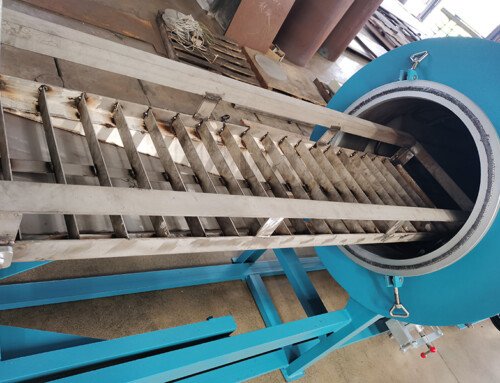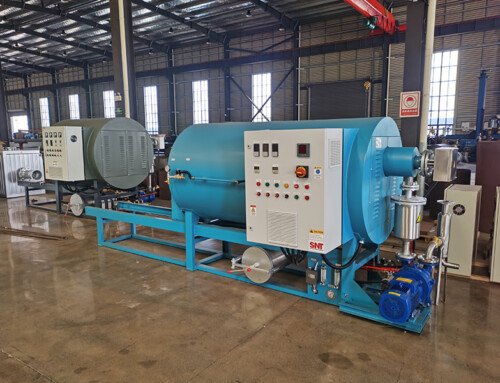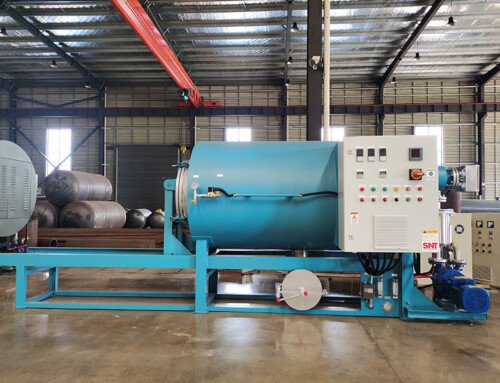
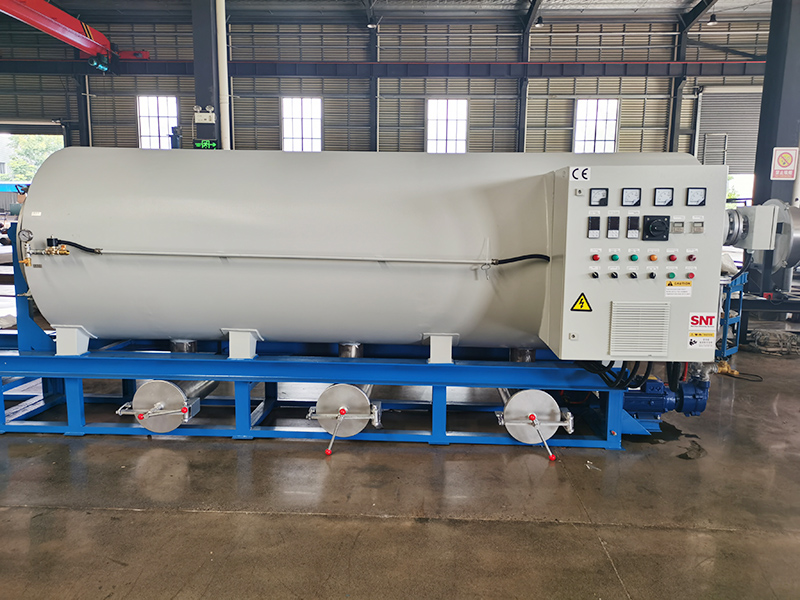
Removing rust from the metal exterior of a screw cleaning oven improves its appearance, prevents corrosion from spreading to internal components and maintains a professional, well-kept look in the production area. Surface rust on the outer shell often starts around door edges, panel seams and mounting points where moisture collects, but early treatment can stop it from becoming a structural issue.
Surface assessment and pre-treatment preparation
Begin by unplugging the oven and letting it cool completely, to avoid accidental contact with warm surfaces during the cleaning process. Inspect the entire outer shell under bright, angled lighting to spot all rust spots, including tiny early-stage discoloration that might be missed under normal room light. Pay extra attention to areas around door hinges, control panel frames, vent grilles and any welded seams, as these spots trap moisture and often show rust first. Cover nearby equipment and the floor with drop cloths to protect them from rust particles and cleaning chemicals that might splatter during the work. Put on safety goggles, gloves and a dust mask to protect yourself from loose rust flakes and chemical fumes, even if you plan to use mild cleaning agents. Gather all necessary tools and materials before starting, including soft scrapers, fine abrasive pads, rust remover solution, clean cloths and a rust-inhibiting primer if you plan to repaint the treated areas later.
Rust removal and surface restoration process
Start by using a soft plastic or wooden scraper to gently remove any loose, flaking rust from the affected areas, working in small sections to keep the work manageable. Avoid using metal scrapers or wire brushes on thin exterior panels, as these can scratch the underlying good metal and create new spots for rust to start later. For stubborn rust that does not flake off easily, apply a small amount of commercial rust dissolver gel or a mild acidic solution like diluted white vinegar directly onto the rust spot, and let it sit for the time recommended on the product label. Gently scrub the treated area with a fine-grade non-metallic abrasive pad, moving in small circular motions to lift the rust without damaging the surrounding intact paint or coating. Wipe the area clean with a damp cloth to remove all rust residue and cleaning chemical traces, then dry it immediately with a separate clean dry cloth to prevent flash rust from forming on the freshly exposed metal. If the rust has eaten through the metal in small spots, you may need to use a two-part epoxy filler to rebuild the surface before applying any protective coating, but this is rare on well-maintained exterior panels.
Protective coating application and final finish
Once the metal surface is completely clean, dry and free of all rust traces, apply a thin layer of rust-inhibiting primer to any areas where you removed rust down to bare metal. Use a small brush or foam applicator to keep the primer within the treated area, and let it dry fully according to the product instructions. After the primer dries, you can apply a matching topcoat of heat-resistant paint to blend the repaired spot with the surrounding factory finish, using light overlapping strokes to create an even layer. If you are not repainting the area, at least apply a clear protective wax or corrosion inhibitor coating to the bare metal to shield it from moisture and oxygen. Let all coatings cure completely before moving the oven or restarting production, to avoid smudging the fresh finish. Once the oven is back in operation, make a note to check the treated areas during your regular monthly inspections, so you can catch any new rust formation early before it spreads.
Regularly wiping down the oven exterior with a dry cloth after cleaning cycles removes moisture and prevents the initial condensation that leads to surface rust over time. This simple habit, combined with prompt treatment of any small rust spots you find, can keep the equipment looking new and functioning reliably for many years.