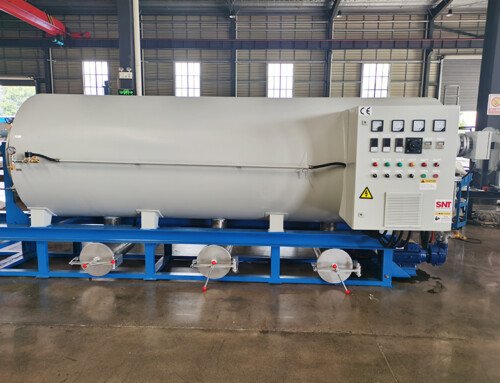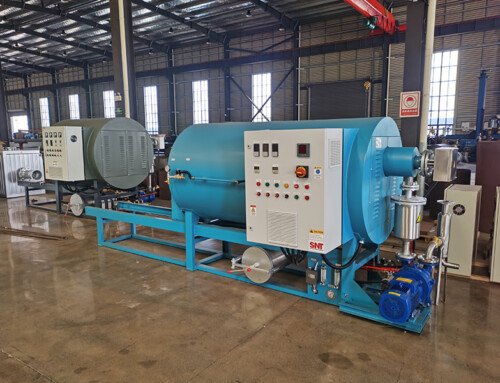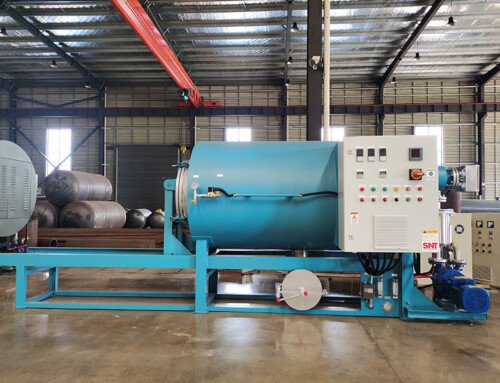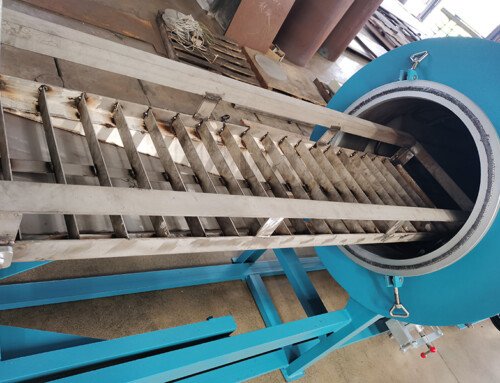
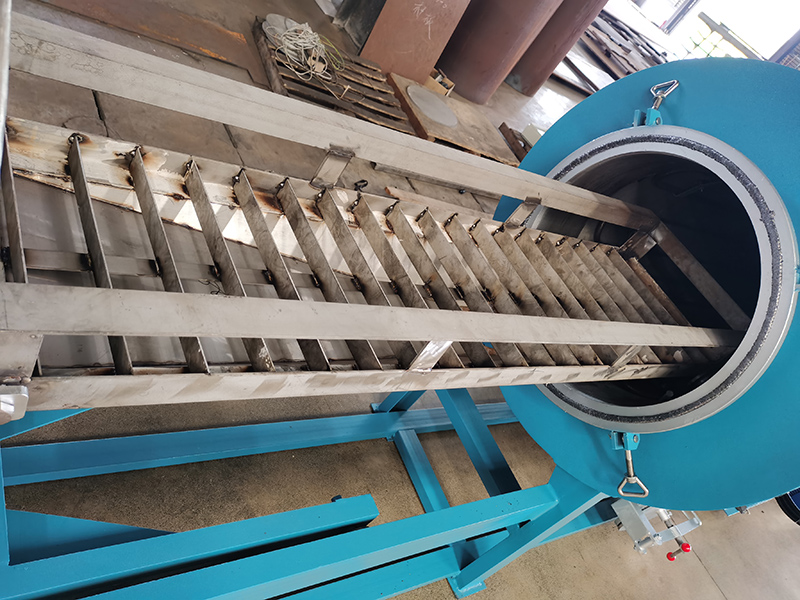
Clearing blocked ventilation holes in a screw cleaning oven restores proper air flow, prevents dangerous overheating and keeps internal components running at their designed temperature range. These narrow openings often collect fine dust, lint and airborne debris over months of operation, creating a gradual blockage that many teams miss until performance issues appear.
Initial blockage assessment and safe access preparation
Fully disconnect the oven from all power sources and wait for the entire unit to cool down to room temperature, to avoid accidental burns and to let any heat-sensitive debris inside the vents become brittle and easier to remove. Locate all primary and secondary ventilation holes on the oven body, which are usually found on the back panel, side panels and sometimes near the control unit housing. Use a bright portable light to shine into each vent opening at an angle, so you can see how deep the blockage goes and what type of debris is causing the obstruction. Check the manufacturer’s manual for any warnings about specific vent designs or internal components that might sit directly behind the vent covers, to avoid accidental damage during cleaning. Lay down a protective sheet below the vent areas to catch falling debris, and have a small handheld vacuum with a narrow nozzle attachment ready for initial loose dust removal.
Step-by-step clearing methods for different blockage types
For loose dust and lint blockages near the vent surface, use the handheld vacuum on a low suction setting to gently pull the debris out. Move the nozzle tip slowly across the vent opening without pressing it hard against the grille, to avoid pushing debris deeper into the ventilation channel. If the vacuum alone does not clear the blockage, insert a long flexible plastic rod or a specially designed vent cleaning brush into the opening and gently twist it to break up packed material. Always work from the outside inward, and never use metal rods or sharp tools that could scratch internal components or puncture hidden wiring. For sticky, greasy residue that holds dust together, apply a small amount of vent-safe cleaning spray onto a lint-free cloth and wipe the visible part of the vent grille, but avoid spraying liquid directly into the vent channel where it could reach electrical parts. If the vent has a removable external cover or grille, take it off carefully to access the blockage more directly, and clean both sides of the cover separately before reinstalling it. After clearing the main blockage, use low-pressure compressed air to blow through the vent from the inside toward the outside, if possible, to dislodge any remaining loose particles that are stuck deeper in the channel.
Post-cleaning airflow verification and preventive measures
Once all visible blockages are cleared, restore power and run the oven at a low temperature setting for 10 to 15 minutes. Place your hand near the vent openings to feel for steady, even air flow coming out, which confirms the internal fan is working properly and the vents are no longer obstructed. Listen for any unusual whistling, rattling or grinding noises from the vent areas during this test run, which could indicate leftover debris interfering with the fan blades or a separate mechanical issue. After the test, turn off the oven and let it cool, then shine your light into the vents once more to make sure no new debris has been pulled into the openings during the test cycle. To prevent future blockages, add a quick visual vent check to your monthly maintenance routine, and consider placing a removable fine mesh filter over large vent openings if your workshop has high airborne dust levels, as long as this does not violate the oven’s cooling requirements.
Regular vent maintenance stops small blockages from turning into major overheating problems that can trip safety cutoffs or damage sensitive electronic controls. Keeping these air passages clear is a simple task that often gets overlooked, but it has a direct impact on the oven’s long term reliability and consistent performance.