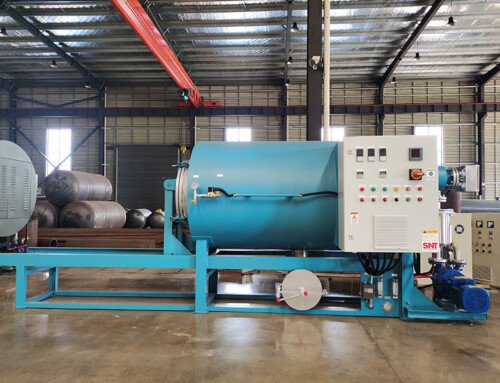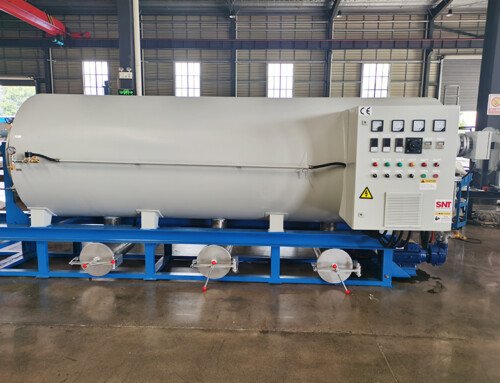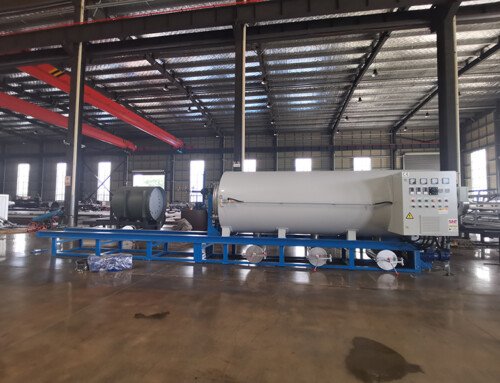
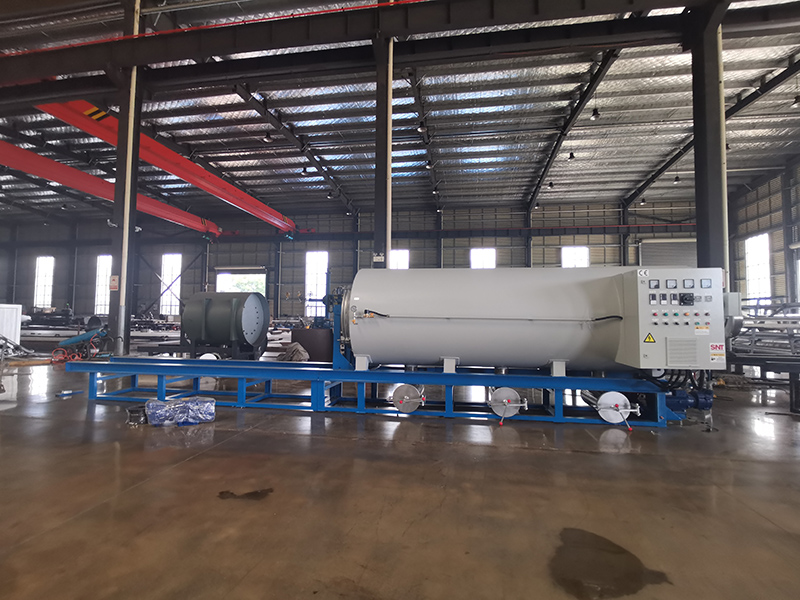
Clearing Debris from Screw Cleaning Furnace Exhaust Outlets
Initial Safety Shutdown and Access Preparation
Begin by completely shutting down the furnace and locking out all energy sources. Turn the main power switch to the off position and secure it with a lockout tag. Wait for the system to cool. Even if the heating cycle finished hours ago, the exhaust ductwork can retain significant heat, especially near bends and dampers. Use an infrared thermometer to check the surface temperature of the duct; it should be below 50°C before you proceed. Attempting to clean a hot exhaust system is a burn hazard and can stir up hot, airborne particles.
Remove the access panel or inspection hatch on the exhaust duct, typically located just downstream from the furnace chamber. Place a small container or tray directly beneath the opening to catch any loose debris that falls out. Before reaching inside, use a bright flashlight to perform a visual inspection. Look for the type and location of buildup. Common findings include lightweight, fluffy ash piles; sticky, tar-like condensates; or hard, brittle scale clinging to the walls. Identifying the material helps you choose the right removal tools and methods.
Put on appropriate personal protective equipment. At a minimum, this includes safety glasses, a respirator rated for fine dust, and heat-resistant gloves. Exhaust residue can contain fine particulate matter and condensed chemical vapors that are irritating to the lungs and skin. If you suspect the presence of heavy metal dust or toxic residues, upgrade to a higher-grade respirator and consider disposable coveralls. Safety is non-negotiable when dealing with confined spaces and unknown contaminants.
Mechanical Removal of Loose and Caked-On Debris
Start with the loosest material. Use a long-handled, soft-bristle brush or a vacuum cleaner with an extended hose and a crevice tool. Gently brush or vacuum the accessible surfaces of the ductwork, working from the top down to prevent debris from falling onto already-cleaned areas. For a standard industrial vacuum, ensure it has a HEPA filter to prevent fine particles from being blown back into the room. Move slowly to avoid creating large dust clouds. If the vacuum suction seems weak, check the filter; it may already be clogged from initial debris.
For adhered scale or tar, use a plastic or wooden scraper. Metal tools can scratch the duct interior, creating grooves where future deposits will form more easily. Apply moderate pressure at a shallow angle, working in the direction of airflow. If the material does not come off with reasonable force, stop. Do not chip or hammer at it, as this can dent the duct or dislodge internal insulation. Instead, move to a softening method. For small, stubborn patches, you can sometimes wrap a cloth around the scraper, dampen it with a small amount of warm water or a mild, furnace-approved cleaner, and hold it against the spot for several minutes to loosen the bond.
Inspect and clean the exhaust fan blades and housing if accessible. Buildup on fan blades throws them off balance, causing vibration, noise, and premature bearing failure. Carefully wipe each blade with a damp cloth, ensuring you remove material from both the leading and trailing edges. Check the fan housing for accumulated dust that can restrict airflow. A clean fan operates more efficiently, moves more air, and places less strain on the motor. Be extremely cautious not to bend the blades or disturb any counterweights during cleaning.
Final Verification and Airflow Restoration
After cleaning, use the flashlight again to inspect the entire accessible section. Look for any tools, rags, or cleaning materials that may have been accidentally left inside. Even a small cloth can cause a significant blockage or become a fire hazard. Ensure all surfaces are dry; moisture in the exhaust system can lead to rapid corrosion and more tenacious scale formation in the future.
Before reassembling the access panel, perform a simple airflow check. You can use a smoke pencil or a thin strip of tissue paper. With the furnace still off and the access panel open, hold the smoke or paper near the duct opening. There should be a slight natural draft pulling it inward, indicating the duct is not blocked further downstream. If there is no draft or it pushes outward, there may be a blockage in the main stack or a damper that is closed. This issue must be resolved before the furnace is returned to service.
Secure the access panel with all original fasteners. Run the furnace through a brief, low-temperature cycle (e.g., 150°C) while monitoring the exhaust outlet. The airflow should be strong, steady, and quiet. Listen for any new whistling or rattling sounds that might indicate a loose panel or a piece of debris still caught in the fan. Also, check the external exhaust vent outside the building to confirm a strong, consistent plume is exiting. A weak or pulsing exhaust flow after cleaning suggests an incomplete job or an issue elsewhere in the system. Document the cleaning date and observations in the maintenance log for future reference.