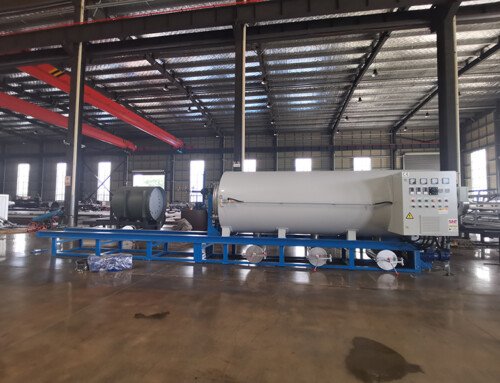
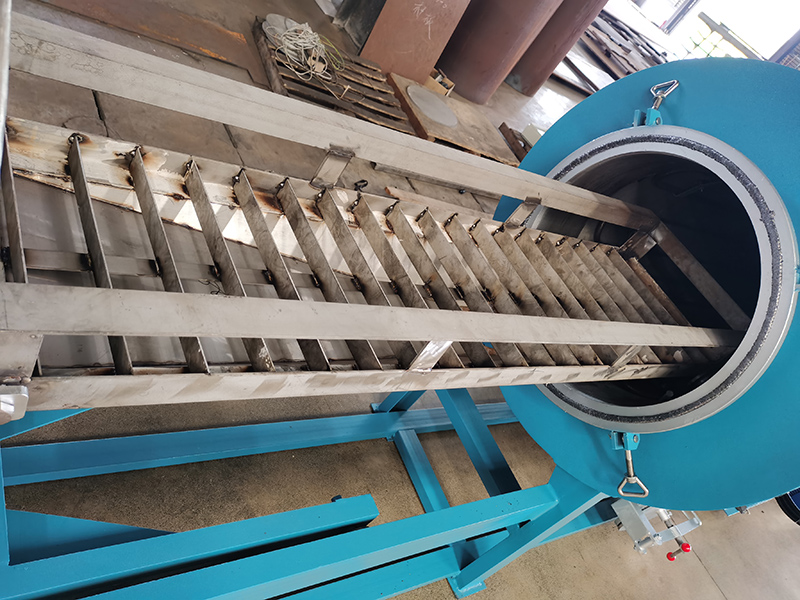
Vulnerable part inspection and maintenance scheduling for screw cleaning furnaces directly impacts long-term operational stability, reduces unplanned downtime, and prevents minor component wear from escalating into costly full-system failures. Unlike rigid, calendar-based schedules that do not account for real operating conditions, a usage-aligned check cycle adapts to factors like daily runtime, maximum operating temperature, process material type, and local ambient humidity. This targeted approach ensures every high-wear component gets attention exactly when it needs it, without unnecessary teardowns that disrupt regular production workflows.
Short-Cycle Daily and Weekly Visual Checks
These frequent, low-effort checks catch early warning signs that can appear suddenly between longer maintenance intervals, before they cause noticeable performance issues. At the start of each work shift, operators do a quick walkaround to check for visible signs of oil leakage around the vacuum pump, unusual hissing sounds near the furnace door seal, or faint smoke coming from the ventilation exhaust. Every week, teams wipe down all external pressure gauges and alert indicator panels to remove dust buildup that can obscure readings, and confirm all emergency stop buttons trigger a full system shutdown when pressed. They also inspect the water cooling loop connections for minor rust spots or slow drips, and verify water flow stays within the normal range while the furnace runs a standard heating cycle. These short, regular checks take less than 15 minutes total, but they catch small issues like a loose seal fitting or a blocked cooling line that could turn into a major breakdown if left unaddressed for weeks.
Mid-Cycle Monthly and Quarterly Functional Inspections
These deeper dives focus on components that wear down gradually over weeks of continuous operation, and require partial disassembly to assess their full condition. Every month, maintenance staff remove and clean the inlet filter for the vacuum system, brushing away accumulated fine debris that builds up from repeated thermal decomposition of residual polymer material. They also check all electrical connection terminals inside the control cabinet for signs of overheating discoloration, and tighten any loose wires that could cause intermittent power supply issues during high-temperature operation. Every three months, teams inspect the full length of the door gasket for hidden cracks or flattened sections that do not show up during casual visual checks, and test the tension of all door locking latches to make sure they apply even, consistent pressure all around the furnace opening. They also drain a small sample of vacuum pump oil to check for discoloration or suspended particles, topping off or replacing the oil if it shows signs of contamination. These mid-cycle checks keep core functional parts in stable condition, and prevent slow performance drops that would otherwise extend cleaning cycle times and waste energy.
Long-Cycle Semi-Annual and Annual Full Overhaul Checks
These comprehensive, scheduled sessions target components that see heavy thermal and mechanical stress over months of use, and require full system shutdown for thorough assessment. Every six months, maintenance staff access the internal heating chamber to inspect heating element surfaces for oxidation, warping, or thin spots that can lead to unexpected element burnout mid-cycle. They also check all safety relief valves and pressure sensors, testing their trigger accuracy to make sure they activate at the exact pre-set safety thresholds. Once per year, teams fully disassemble and inspect all moving parts on the exhaust treatment assembly, clearing away any caked-on residual material that restricts airflow, and checking fan blades for imbalance caused by long-term exposure to fine process dust. They also run a full calibration for all temperature controllers and vacuum transmitters, adjusting any readings that have drifted outside the acceptable accuracy range after 12 months of continuous high-temperature operation. These long-cycle checks reset the full system to peak performance, and lay a solid foundation for reliable, consistent operation through the next full year of production.
This tiered inspection cycle aligns perfectly with the actual wear patterns of screw cleaning furnace components, avoiding both over-maintenance that wastes labor hours and under-maintenance that invites unexpected failures. It creates a clear, easy-to-follow routine that any on-site maintenance team can implement, even without specialized advanced training. Over time, this structured scheduling reduces overall operational risk, extends the total service life of the equipment, and keeps cleaning results consistent for every production batch.