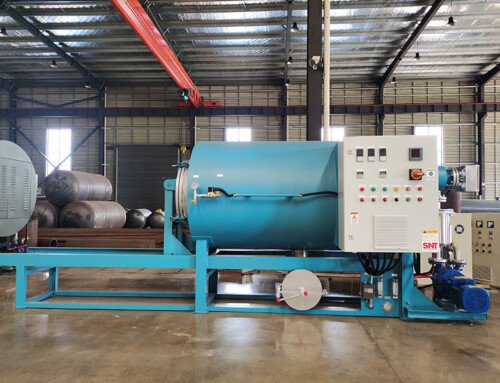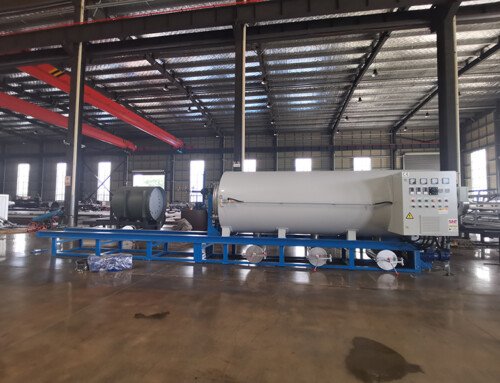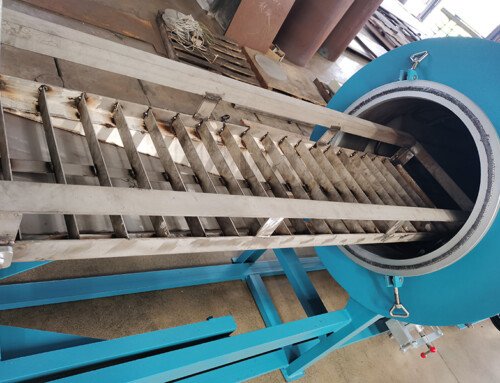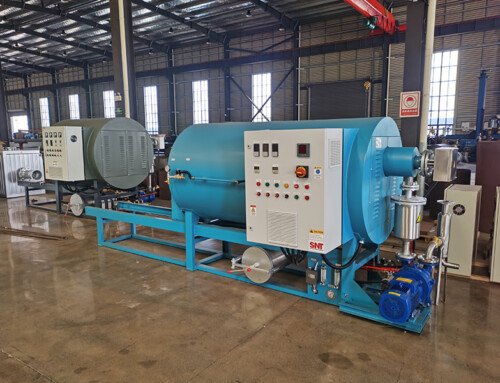
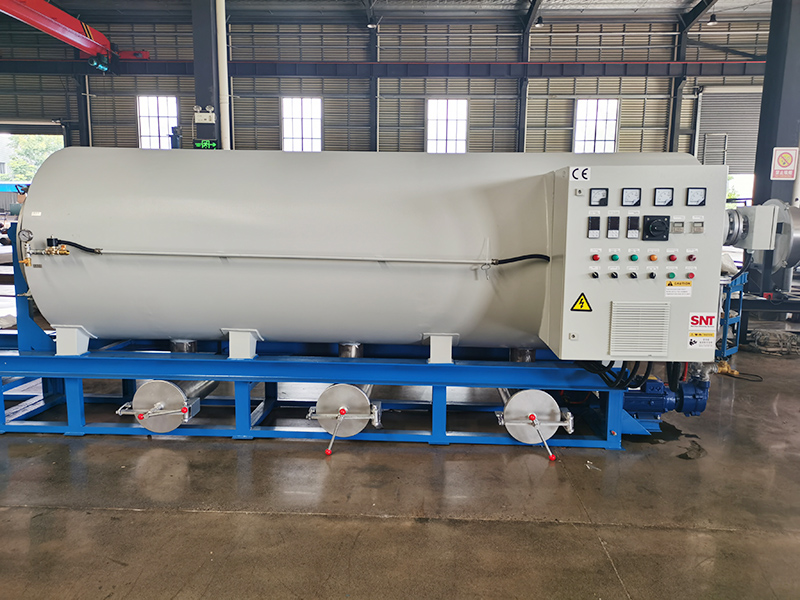
Maintaining the insulation layer of a screw cleaning furnace is a critical yet often overlooked aspect of operational efficiency and safety. Proper insulation directly impacts energy consumption, temperature stability within the barrel, and the ambient working environment. Neglect leads to heat loss, increased cycle times, higher energy costs, and potential safety hazards from exposed hot surfaces.
Regular visual and tactile integrity checks
Conduct a thorough visual inspection of the insulation jacket or panels at the start of each week. Look for any physical damage such as cracks, gaps, dents, or areas where the insulation material appears compressed or missing. Pay close attention to seams, joints, and areas around protruding components like thermocouples or heater bands, as these are common failure points. With the furnace at operating temperature (while exercising extreme caution), perform a careful tactile scan by slowly moving the back of your hand close to the insulation surface. Any localized area that feels significantly hotter than the surrounding surface indicates a breakdown or thinning of the insulation material at that spot. Mark any suspect areas with temperature-resistant tape for further investigation during the next shutdown.
Managing moisture and chemical contamination
Insulation materials are highly susceptible to degradation from moisture and chemical exposure. Prevent liquids, including water, cleaning solvents, or hydraulic oils, from spilling onto or soaking into the insulation. Moisture ingress drastically reduces insulating efficiency and can lead to corrosion of the underlying barrel metal. If a spill occurs, do not ignore it. During the next scheduled downtime, inspect the affected area. For minor contamination, allow the area to dry completely at an elevated temperature if possible. For significant oil or chemical saturation, the compromised section of insulation may need to be cut out and replaced, as the contaminants can become a fire risk or permanently destroy the material’s insulating properties. Ensure the surrounding area is kept clean and dry.
Repair procedures for damaged sections
When damage is identified, address it promptly to prevent further heat loss and deterioration. For minor cracks or small holes, a high-temperature insulation paste or ceramic adhesive can be used as a temporary patch. For more substantial damage, a section repair is necessary. Carefully cut out the damaged portion of the insulation using a sharp knife, creating clean, straight edges. Cut a replacement piece from the same type and thickness of insulation material to fit precisely. Secure the new piece in place using high-temperature wire or appropriate bands. For large panel-style insulation, ensure all fastening clips or straps are intact and secure to prevent the panel from sagging or detaching. Never operate the furnace with large sections of exposed barrel, as this poses a severe burn risk and disrupts the thermal profile.
Long-term performance monitoring and documentation
Maintain a simple log to track the condition of the insulation over time. Note the location and size of any repairs, the date they were made, and the external surface temperature measured at that spot before and after the repair. Periodically, perhaps semi-annually, use a thermal imaging camera to conduct a comprehensive audit of the furnace’s insulation. A thermal image will vividly reveal heat leaks that are not apparent from a visual inspection, showing hotspots at seams, joints, or where insulation has settled. This data allows for proactive, planned repairs during maintenance windows rather than reactive fixes during production. Consistent monitoring also helps determine the overall aging rate of the insulation system, informing long-term budgeting for a full replacement when efficiency drops below an acceptable threshold.