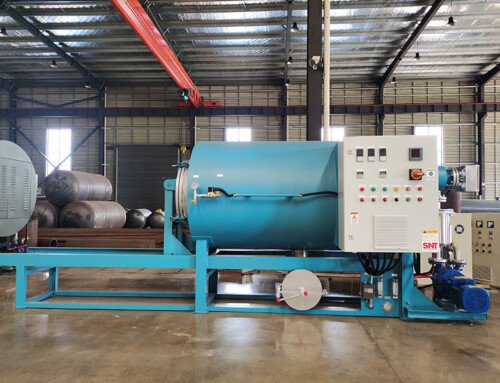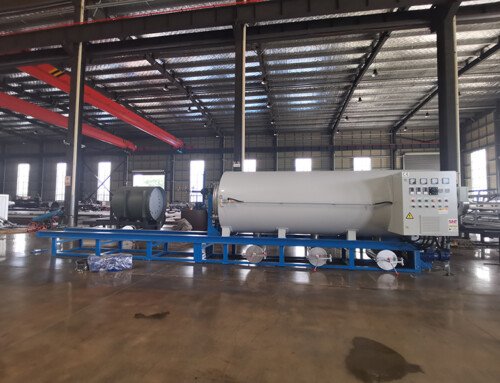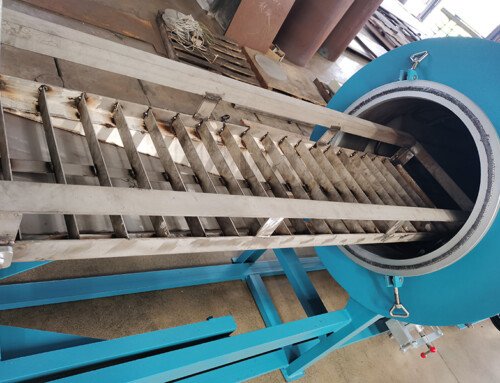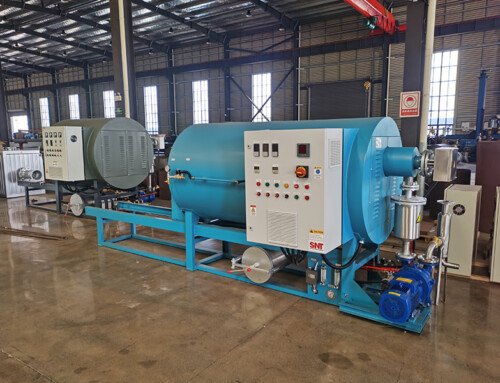
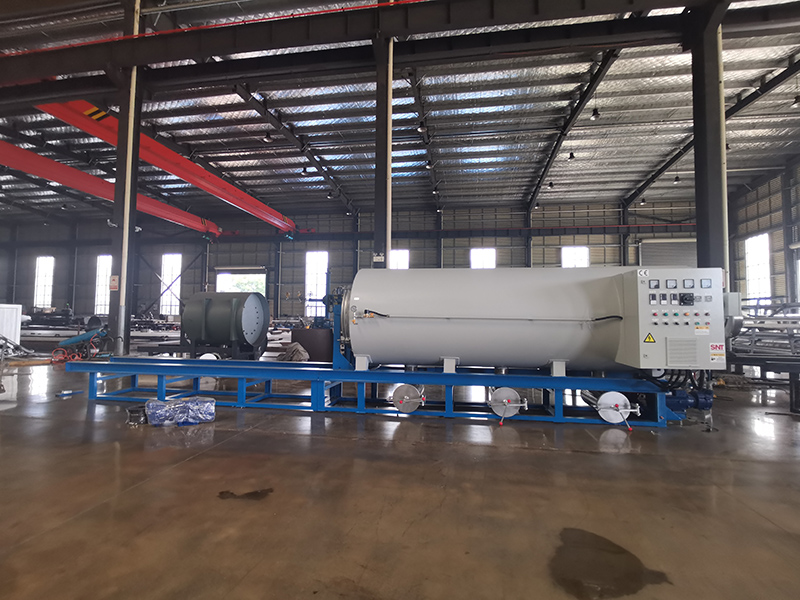
Effective maintenance of the drive train components in a screw cleaning furnace goes beyond simple lubrication; it involves a systematic approach to monitoring wear, managing load, and preventing the chain reaction of failures that starts with one neglected part. Since these components work under constant mechanical stress and thermal cycling, their care directly dictates the machine’s reliability, energy efficiency, and avoidance of catastrophic breakdowns.
Routine lubrication with correct intervals and materials
Lubrication is the lifeblood of the drive train, but using the wrong grease or applying it at incorrect intervals causes more harm than good. Identify each lubrication point on the gearbox, motor bearings, and thrust bearing assembly, noting the specific grease type recommended by each component’s manufacturer—mixing incompatible greases can lead to separation and loss of lubricity. Establish a strict schedule based on actual operating hours, not just calendar time. For the main gearbox, an oil sample analysis during annual service can reveal wear metals and contamination, providing a data-driven basis for adjusting change intervals. When greasing bearings, apply slowly until clean grease purges from the seal, then wipe away the excess; overfilling creates heat and pressure that damages seals.
Vibration analysis and alignment verification
Misalignment and imbalance are silent killers of drive components. Use a basic vibration meter or a smartphone app with an accelerometer to take monthly readings at key points: the motor feet, gearbox housing, and the coupling between the gearbox and screw shaft. Record these values and track trends. A steady increase in vibration amplitude, even if still below “alarm” levels, signals developing issues like bearing wear, coupling degradation, or foundation looseness. Annually, or after any major component replacement, perform a laser shaft alignment check on the motor-to-gearbox and gearbox-to-screw connections. Proper alignment reduces radial loads on bearings, decreases energy consumption, and extends the service life of seals and gears exponentially.
Thermal monitoring and load condition tracking
Heat is a primary indicator of drive train health. During operation, regularly use an infrared thermometer to scan the surface temperatures of the gearbox, motor housing, and coupling guard. Compare these readings to established baselines taken when the system was new or freshly serviced. A temperature rise in the gearbox often indicates insufficient lubrication, degraded oil, or internal wear. An overheating motor can point to electrical issues or excessive mechanical load from the downstream drive train. Simultaneously, monitor the amperage draw of the main drive motor. A gradual upward trend in amperage, while processing the same material, suggests increasing friction within the drive train or the screw/barrel interface, serving as an early warning to investigate before a failure occurs.
Systematic inspection of mechanical wear components
Implement a quarterly inspection routine for all physical wear parts. For gear couplings or flexible disc couplings, check for signs of fatigue, cracks, or wear in the connecting elements. Inspect drive belts for tension, glazing, or cracking; adjust or replace them as a matched set, never individually. Examine the keyways and splines on the screw shaft and coupling hubs for any signs of fretting corrosion or wear, which can lead to slippage and impact damage. Check all mounting bolts and foundation fasteners for proper torque, as vibration can loosen them over time. For systems with a thrust bearing assembly, listen for unusual noises and monitor for any axial play in the screw shaft, which is a direct indicator of bearing wear. Document the condition of each component with notes or photos to track the progression of wear from one inspection to the next.