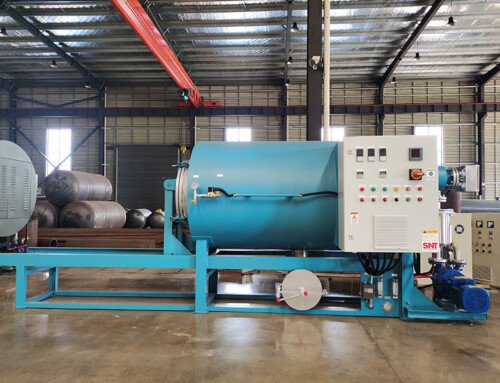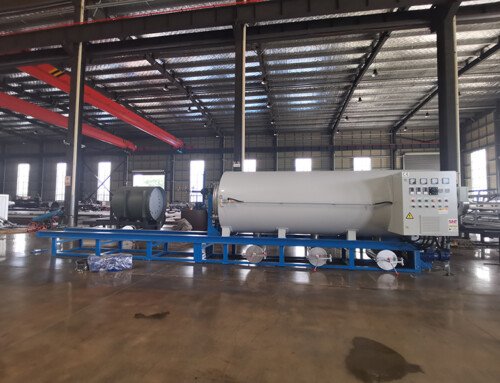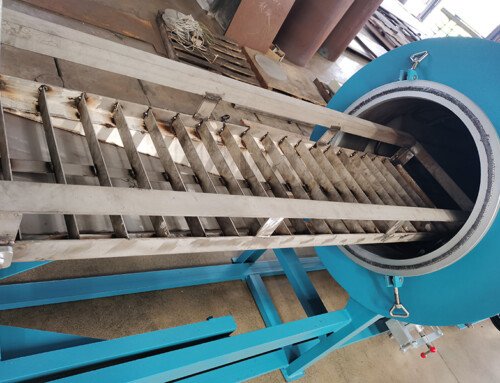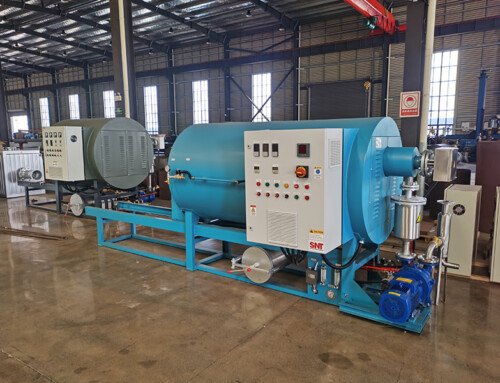
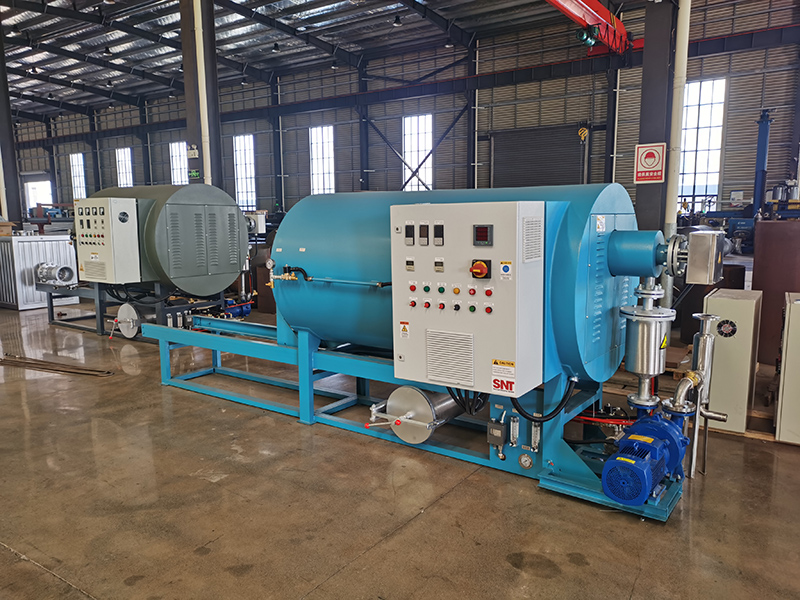
Effective maintenance of the door closure mechanism on a screw cleaning furnace is fundamental to maintaining a safe, sealed, and efficient operation. A poorly sealing door leads to heat loss, fume escape, and potential safety incidents, while a difficult-to-operate mechanism increases wear and tear and poses an ergonomic risk to operators. Regular, proactive care prevents these issues.
Daily operational check and cleaning routine
Begin each shift with a functional check. Open and close the door several times, noting the feel of the operation. It should move smoothly without sticking, grinding, or requiring excessive force. Visually inspect the door seal (gasket) for any visible tears, gaps, or signs of compression set where it appears flattened and no longer springy. Look for debris or hardened material buildup on the sealing surface of both the door and the barrel flange. Use a soft brush or cloth to remove any loose particles. After the furnace completes a cycle and cools, wipe down the entire door assembly, including hinges, latches, and handles, to remove dust and light residue that could work its way into moving parts.
Seal inspection and surface conditioning
The door gasket is a consumable item. Weekly, perform a detailed inspection. Feel the entire length of the seal for brittleness, cracks, or permanent deformation. A simple “paper test” can check seal effectiveness: with the door closed on a cold, empty machine, try to slide a strip of paper between the seal and the flange at various points. If it pulls out with little resistance, the seal compression may be insufficient. For metal-to-metal seal surfaces, check for scratches, pitting, or warping. Light surface oxidation can often be cleaned with a fine abrasive pad, followed by a thin application of high-temperature anti-seize compound on the mating metal surfaces to prevent galling and ensure a consistent seal, being careful to avoid contaminating any elastomeric gaskets.
Lubrication and adjustment of mechanical components
Hinges, latches, and locking cams require proper lubrication to function smoothly and without undue stress. Monthly, apply a small amount of high-temperature, dry-film lubricant (like graphite or molybdenum disulfide) to hinge pins and pivot points. Avoid oil-based greases, as they can attract dust and carbonize from the heat. Check all fasteners—bolts, nuts, and screws on hinges, latch brackets, and handles—for tightness. Over time, vibration and thermal cycling can loosen them. If the door does not seat evenly or requires increased force to latch, inspect the alignment. Loosen the hinge mounting bolts slightly, close and latch the door properly, then re-tighten the bolts. This often corrects minor misalignment. For doors with adjustable latches or cams, refer to the manual and adjust only as needed to achieve a firm, even seal without over-tightening.
Pressure and thermal cycle stress monitoring
The door and its components endure significant stress from repeated thermal expansion and internal pressure. Periodically, with the system cold and safe, check the door and its frame for any hairline cracks, particularly around weld points and hinge attachments. Listen for any hissing sounds during operation, which indicate a pressure leak at the seal. Monitor the external temperature of the door during operation with an infrared thermometer; it should be consistently warm but not as hot as the barrel. A significantly hotter spot could indicate internal refractory damage or a failed internal seal, allowing heat to transfer directly to the door metal. Documenting the force required to operate the latch and the condition of the seal over time provides valuable data for predicting the optimal replacement interval before a failure occurs during a production run.