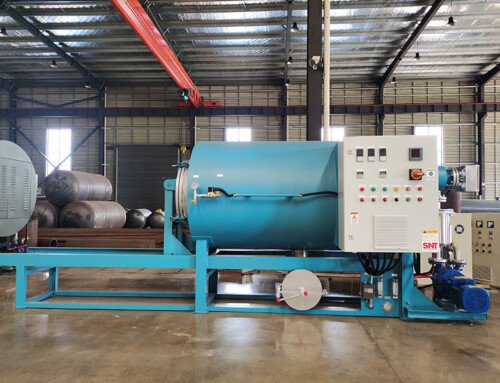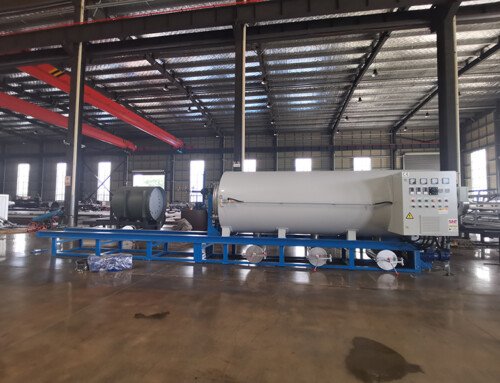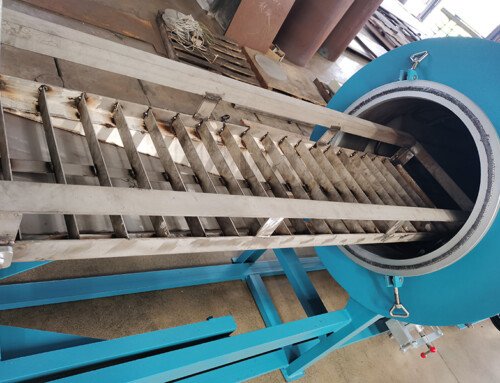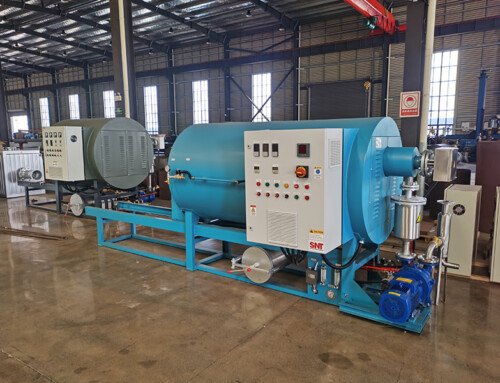
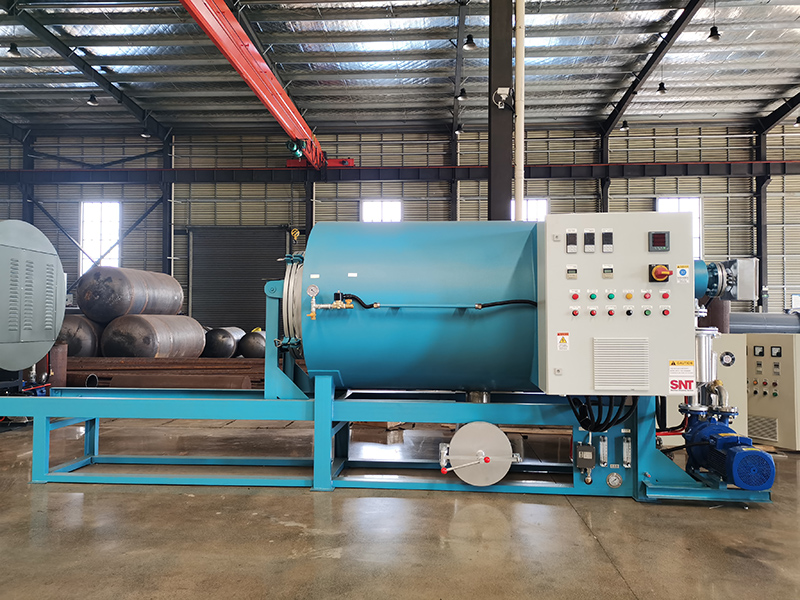
For new operators working with screw cleaning furnaces, mastering solid basic operation knowledge is the first step to avoid unnecessary equipment damage, reduce cleaning errors and keep daily production running smoothly. Many common operational mistakes happen simply because new staff miss small, easy-to-overlook details that are never clearly explained in quick onboarding sessions.
Pre-operation personal protection and site check
Before stepping into the operation area, every operator must put on heat-resistant gloves with proper thickness, impact-resistant goggles and non-slip work boots with steel toe caps. Loose sleeves, hanging necklaces or long hair not tied up must be properly secured, to avoid getting caught by rotating screw parts or touching high temperature surfaces by accident. Check the whole operation site first, clear away scattered plastic scraps, spilled cleaning liquid and any tools left on the floor, to eliminate slip and trip hazards during the operation. Confirm all fire extinguishers in the nearby area are within their valid usage period, and the emergency exit of the workshop is not blocked by stacked materials or equipment parts.
Pre-startup equipment status verification
Before powering on the screw cleaning furnace, check that all power cords, heating cables and sensor wires are connected tightly without any exposed or damaged insulation. Confirm the exhaust pipeline for volatile gas is fully unobstructed, and no leftover cleaning rags or material fragments are stuck inside the pipeline opening. Turn the screw manually for several circles through the hand wheel, to make sure there is no abnormal resistance or stuck point before you start the motor. Check the sealing gaskets on all flanges and access doors, confirm they are installed in the correct position without obvious deformation or aging cracks that could cause air leakage during operation.
Standard operation rules for formal cleaning process
When you start the heating process, raise the temperature of each heating zone step by step at a steady rate, never jump directly to the target high temperature in one go. This slow heating method avoids uneven thermal expansion of the metal barrel and screw, which could cause unexpected deformation or tight friction between moving parts. When the temperature of all zones reaches the preset value, keep the equipment at this constant temperature for 15 to 20 minutes, to make sure the whole screw and barrel are heated evenly to the same temperature. Start the screw rotation at the lowest speed first, then gradually increase the speed to the required cleaning level after running smoothly for 3 to 5 minutes. Keep your eyes on the real-time temperature and pressure readings on the control panel all through the cleaning process, never leave the operation site without arranging another trained operator to take over the monitoring work.
Common misoperation points to avoid
Never use sharp steel tools or abrasive grinding wheels to scrape residues off the screw surface, these tools will leave permanent scratches that catch new material easily and form carbon deposits much faster in future runs. Do not open the sealed access door of the furnace when the internal temperature is still higher than 150 degrees Celsius, the sudden rush of cold air could cause thermal shock to the high temperature metal parts, and the released hot volatile gas could cause burn injuries. Do not arbitrarily modify the preset temperature upper limit or pressure alarm threshold without permission from the technical team, random parameter changes are the top cause of overheating faults and unexpected material degradation. Never leave flammable cleaning materials or paper products near the heating zones, even a small accidental overheating point could trigger a hidden fire hazard.
Post-operation shutdown and on-site tidying
When the whole cleaning process is finished, first turn off the heating system, then keep the screw running at low speed until the temperature of all zones drops below 80 degrees Celsius. Do not cut off the main power supply directly before the equipment finishes the natural cooling process, sudden power loss could leave high temperature residues sitting static inside the barrel and form hard carbon deposits that are extremely hard to remove later. After the equipment fully cools down, wipe the outer surface of the furnace with a clean dry cloth, collect all removed residues and waste cleaning materials and put them into the marked sealed waste container. Record the key operation data of this cleaning cycle in the equipment log book, including the actual running temperature, total operation time and any abnormal phenomena you observed during the process.
Basic daily maintenance habits for operators
At the end of every shift, check the wear condition of the sealing gaskets, screw flights and heating elements briefly, and report any abnormal wear or hidden fault signs to the maintenance team in time. Do not wait until a small fault develops into a big breakdown that stops the whole production line. Apply a thin layer of anti-rust oil on the exposed screw parts if the equipment will stay idle for more than 3 days, to prevent oxidation and rust formation on the precision metal surface. Take part in the regular safety operation training organized by the workshop every month, to update your knowledge on new operation skills and emergency response methods for different unexpected situations.