Safe Barrel Removal From a Screw Cleaning Furnace: What Operators Get Wrong Every Day
Pulling a clean barrel out of a hot furnace seems simple. Open the door, grab the barrel, set it down. Done. Except it is not that simple, and operators who treat it like it is end up with burned hands, dropped barrels, cracked chambers, and contaminated parts. The moment the door opens, the environment inside the chamber changes instantly. Hot air rushes out. Cold air rushes in. Pressure spikes. Residue flakes off the walls. Everything that was stable at 400 degrees Celsius becomes unstable at room temperature. If you do not know what you are doing in those first 60 seconds, you are gambling with your safety and your equipment.
This guide covers the real dangers of barrel removal and the habits that keep operators from getting hurt or ruining a clean load.
The Door Opening Is the Most Dangerous Moment of the Entire Cycle
Most injuries happen not during the cleaning phase but during unloading. The cleaning phase is automated. The unloading phase is manual. That is where things go wrong.
Thermal Shock Hits You the Second the Door Opens
When you crack open a furnace door at operating temperature, a blast of hot air hits your face and hands. The chamber interior is at 400 degrees Celsius or higher. The air outside is 25 degrees. That temperature differential creates a convective blast that can scorch exposed skin in seconds. Operators who lean into the chamber to grab the barrel get hit the worst. The heat radiates upward and outward. Your forearms, your face, your neck, all of it is exposed.
Wear heat-resistant gloves that cover your wrists. Wear a face shield, not just safety glasses. Long sleeves made from flame-retardant material. This is not optional gear for a dusty shop. It is mandatory gear for anyone opening a hot furnace door.
Pressure Differential Can Throw Residue at You
When the door opens, the pressure inside the chamber equalizes with ambient pressure instantly. That sudden change disturbs every loose particle inside. Carbon dust, polymer flakes, and oxidized residue that was sitting quietly on the chamber walls and fixtures gets blown around by the pressure wave. Some of it lands on you. Some of it lands on your clean barrel.
Stand to the side of the door when you open it. Do not stand directly in front of the opening. Let the pressure equalize for 10 to 15 seconds before you reach in. That pause lets the worst of the particle cloud settle before you stick your hands into the chamber.
How to Grab the Barrel Without Getting Burned or Dropping It
A clean barrel coming out of a 400-degree furnace weighs the same as a cold barrel, but it behaves differently. The metal expands at high temperature. When it hits room temperature air, it contracts fast. That contraction can warp thin-wall barrels if you handle them wrong. And a warped barrel is a ruined barrel.
Use a Roller Tray or Support Cart Every Single Time
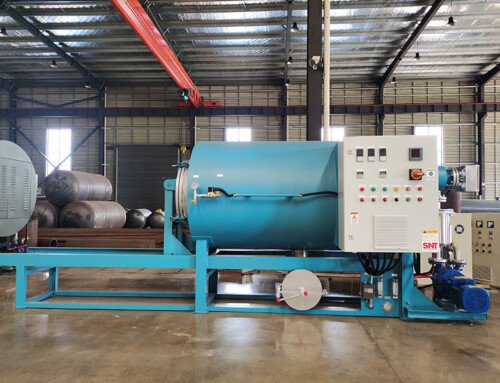
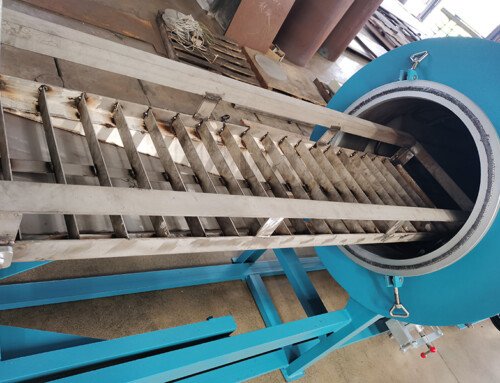
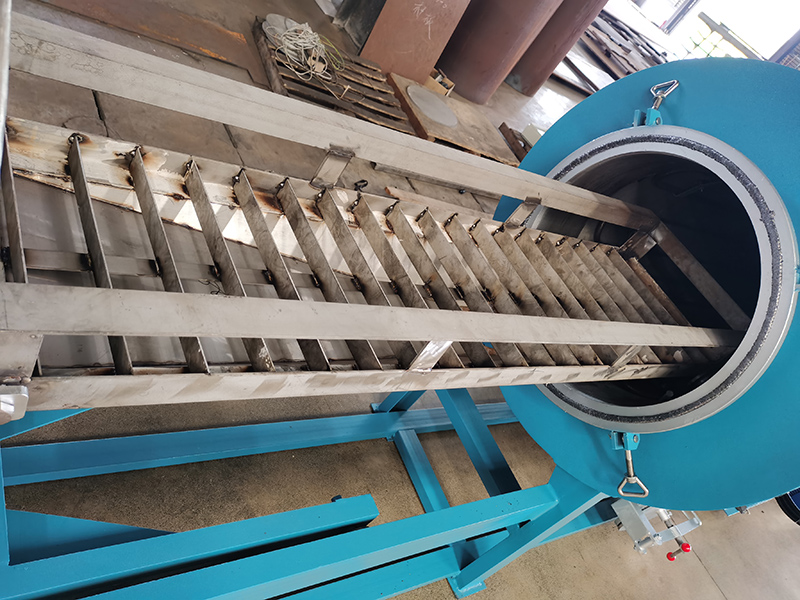
Never pull a hot barrel out of the chamber by hand. The surface temperature of a barrel at 400 degrees Celsius is enough to cause second-degree burns through standard work gloves within seconds. Use a roller tray, a low cart, or a fixture cart that slides under the barrel inside the chamber. The barrel rolls out onto the tray, and the tray rolls to the cooling station. Your hands never touch the hot metal.
If you do not have a tray, use long-handled ceramic or quartz supports to guide the barrel out. Keep your hands behind the supports, not under the barrel. The supports bear the weight. Your hands just steer.
Grip the Barrel at the Ends, Never the Middle
The middle of a hot barrel is the hottest part. The ends cool faster because they have more surface area exposed to ambient air. Grip the barrel only at the flange ends or the feed throat. Never wrap your hands around the barrel body. Even with gloves, the heat transfers fast enough to cause burns within 10 seconds of contact.
If the barrel has a handling ring or a lifting point, use it. That is what it is there for. If it does not have one, grip the flange with both hands, keep your arms straight, and lift with your legs, not your back. A 50-kilogram barrel at room temperature is manageable. A 50-kilogram barrel that is 300 degrees Celsius is a different animal. The metal is softer, the surface is slippery from residue, and your gloves reduce your grip strength by half.
What Happens to the Barrel in the First 60 Seconds After Removal
The cleaning is done. But the barrel is not safe yet. The first minute after removal is when re-contamination happens.
Do Not Set the Barrel on a Cold Surface
A hot barrel set on a cold concrete floor cools unevenly. The bottom surface chills instantly while the top stays hot. That temperature differential causes the barrel to warp. The bore goes oval. The flight roots crack. You just spent four hours cleaning that barrel, and now it is ruined because you set it on the floor.
Always place the barrel on a heat-resistant surface. A ceramic mat, a quartz board, or a roller tray works. Never set it directly on concrete, steel, or any cold surface. Let it cool on a surface that matches its temperature as closely as possible.
Do Not Blow Compressed Air on a Hot Barrel
Some operators use compressed air to blow off loose residue from a clean barrel. If the barrel is still above 200 degrees Celsius, that air blast causes thermal shock. The rapid cooling cracks the bore surface and flakes off the clean layer you just spent hours creating.
Wait until the barrel is below 150 degrees Celsius before using any air. Even then, use low pressure. A gentle puff is enough to remove loose dust. A high-pressure blast at any temperature above 100 degrees is asking for trouble.
Do Not Touch the Bore Surface With Bare Hands or Dirty Gloves
Skin oil transfers to metal instantly at any temperature above 50 degrees Celsius. A clean bore surface touched by a bare hand gets a contamination layer that will show up as black specks in your first production run. Wear clean nitrile gloves every time you handle a barrel after cleaning. Change gloves between barrels. A glove that touched a dirty barrel will contaminate the next clean one.
Common Mistakes That Turn Unloading Into a Disaster
These are the things operators do every day that they think are fine until they are not.
Rushing the Cool-Down to Save Time
The cool-down phase exists for a reason. Opening the chamber early to grab the barrel faster saves you two minutes and costs you two hours. The barrel is not cool enough to handle safely. The chamber is not depressurized. The residue is still outgassing. Rushing the cool-down is the number one cause of barrel warping, re-contamination, and operator burns.
Let the furnace complete its cool-down cycle. Do not open the door until the chamber is below 200 degrees Celsius. If you need the barrel faster, invest in a forced-air cooling system that brings the temperature down safely without thermal shock. But do not open the door early. Ever.
Loading a New Barrel Before the Chamber Is Clean
After you pull the clean barrel out, the chamber interior is covered in loose carbon and residue from the previous cycle. If you load the next barrel immediately, that residue transfers to the new load. The next barrel comes out dirty even though you ran a full cycle.
Wipe the chamber interior with a clean, dry cloth after every unload. Check the fixtures for carbon buildup. Clean or replace any support that has residue on it. This takes three minutes. It prevents the cross-contamination that makes operators think the furnace is not working.
Ignoring the Weight of a Hot Barrel
A hot barrel feels lighter than a cold one because the metal expands and the surface becomes slippery. Operators overestimate their grip strength and underestimate the weight. A barrel that slides out of your hands at waist height hits the floor, bounces, and either dents the barrel or cracks the chamber floor.
Use two hands. Use a tray. Use a support cart. Do not rely on grip strength alone. A hot barrel is a heavy barrel, and it will slip if you give it the chance.
Protecting Yourself From the Invisible Hazards
The burns and the drops are obvious. The invisible hazards are worse.
Carbon Monoxide and Polymer Fumes Are Still Present After the Cycle
Even after the furnace shuts down and the chamber cools, residual gases remain trapped in the chamber walls and fixtures. When you open the door, those gases release. In a poorly ventilated shop, this can create a toxic atmosphere. Polymer fumes from PVC, PTFE, or fluoropolymers are especially dangerous. They are invisible, odorless at low concentrations, and can cause lung damage over time.
Always ensure the exhaust system is running when you open the door. Do not open a hot furnace door in a closed room. Open the shop doors, turn on the exhaust fan, and let the air circulate for at least five minutes before you start handling barrels.
Residue on Fixtures Transfers to the Next Load
The ceramic supports, quartz spacers, and roller trays inside the chamber collect carbon and polymer residue every cycle. If you do not clean them before the next load, that residue transfers to the next barrel. You clean the barrel, but the fixture dirties it again.
Clean every fixture after every cycle. Wipe them with a dry cloth. Inspect them for cracks or chips. A cracked support not only transfers residue, it also creates a cleaning dead zone on the barrel surface. Replace any fixture that shows damage. A 30-second inspection prevents a contaminated batch.
The Right Mindset for Safe Unloading
Safe barrel removal is not about following a checklist. It is about understanding what is happening inside the chamber at every stage of the cooling process. The furnace does not care about your schedule. The barrel does not care about your quota. The metal expands, contracts, warps, and contaminates based on physics, not on how fast you need to get back to production.
Slow down during unloading. Use the right tools. Wear the right gear. Let the chamber cool on its own terms. A barrel that comes out clean and stays clean is worth more than a barrel that comes out clean but gets ruined in the first 60 seconds because someone grabbed it too fast.