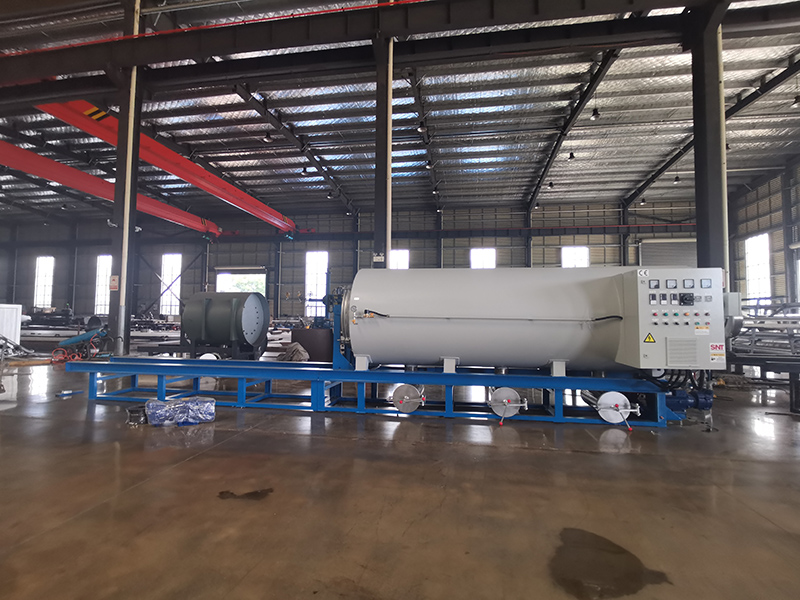
Periodic Maintenance Schedule Planning for a Screw Cleaning Furnace
A well-organized maintenance schedule is essential for maintaining stable performance in a screw cleaning furnace. Regular inspection and servicing help reduce unexpected equipment failures, improve cleaning efficiency, and extend furnace operating life.
Establish Maintenance Intervals Based on Usage Frequency
Furnaces operating continuously under heavy workloads usually require shorter maintenance intervals than equipment used occasionally.
Maintenance planning should consider operating hours, heating frequency, residue conditions, and overall production intensity.
Create Separate Daily, Weekly, and Monthly Inspection Plans
Different furnace components experience wear at different rates. Dividing maintenance into scheduled stages helps improve inspection efficiency and reduces overlooked issues.
Routine planning also supports more stable long-term furnace operation.
Record All Maintenance Activities
Maintenance logs should include inspection dates, temperature performance, replacement history, and abnormal operating conditions.
Detailed records help identify recurring problems and improve preventive maintenance planning.
Daily Maintenance Schedule Arrangement
Daily inspection procedures help identify minor problems before they become serious equipment failures.
Inspect Furnace Chamber Conditions
Operators should check for ash accumulation, residue buildup, and airflow obstruction inside the chamber after each operating cycle.
Regular cleaning supports stable heating performance and improves thermal circulation.
Check Temperature Controller Operation
Temperature displays, sensors, and control systems should operate normally before each startup.
Unstable readings may indicate calibration drift or sensor wear.
Verify Ventilation System Performance
Exhaust fans and airflow systems should maintain stable operation during heating and cooling cycles.
Daily airflow inspection helps reduce smoke accumulation and improves workplace safety.
Weekly Maintenance and Inspection Planning
Weekly maintenance focuses on operational stability and component condition.
Inspect Heating Elements for Wear
Heating elements should be checked for oxidation, deformation, or uneven heating conditions.
Early inspection helps prevent unexpected heating failure during operation.
Clean Exhaust Ducts and Ventilation Paths
Residue particles and decomposition gases may gradually accumulate inside exhaust systems.
Routine cleaning improves ventilation efficiency and maintains stable airflow conditions.
Examine Electrical Connections
Loose terminals, damaged cables, or overheated electrical components may affect furnace reliability.
Weekly electrical inspection helps reduce operational risks and equipment downtime.
Monthly Preventive Maintenance Procedures
Monthly maintenance usually involves deeper inspection and calibration work.
Calibrate Temperature Sensors and Controllers
Accurate temperature control is critical for cleaning consistency and safe furnace operation.
Monthly calibration helps maintain stable thermal performance across different cleaning cycles.
Inspect Furnace Insulation Materials
Insulation layers should be checked for cracks, wear, or heat damage.
Damaged insulation may increase heat loss and reduce furnace efficiency.
Check Structural Stability of the Furnace Chamber
Repeated heating cycles may gradually affect chamber alignment, door sealing performance, and support structures.
Structural inspection helps maintain safe operating conditions over long-term use.
Seasonal and Long-Term Maintenance Planning
Extended maintenance planning supports overall furnace reliability and operational safety.
Schedule Comprehensive System Inspections
Periodic full-system inspections should include heating systems, electrical cabinets, ventilation equipment, and safety devices.
Comprehensive inspection helps identify hidden wear before major failures occur.
Replace Aging Components Before Failure
Temperature sensors, seals, insulation materials, and electrical parts may degrade gradually over time.
Preventive replacement reduces emergency shutdown risks and supports more stable furnace operation.
Review Operating Data and Maintenance Trends
Maintenance records and operating history can reveal recurring issues, unstable temperature patterns, or increasing energy consumption.
Long-term data analysis helps optimize maintenance schedules and operational efficiency.
Maintenance Scheduling Factors That Affect Furnace Performance
Several operating conditions influence the ideal maintenance cycle arrangement.
Operating Temperature Levels
Frequent high-temperature operation may accelerate wear on heating elements, insulation materials, and metal structures.
Higher operating temperatures often require more frequent inspection intervals.
Residue Type and Contamination Level
Heavy carbon buildup and difficult-to-remove polymer residue may increase chamber contamination and exhaust system wear.
More demanding cleaning conditions usually require shorter cleaning and maintenance cycles.
Furnace Loading Frequency
Furnaces running multiple cleaning cycles per day generally experience faster component wear than equipment used intermittently.
Maintenance schedules should match actual operating intensity rather than fixed calendar intervals alone.