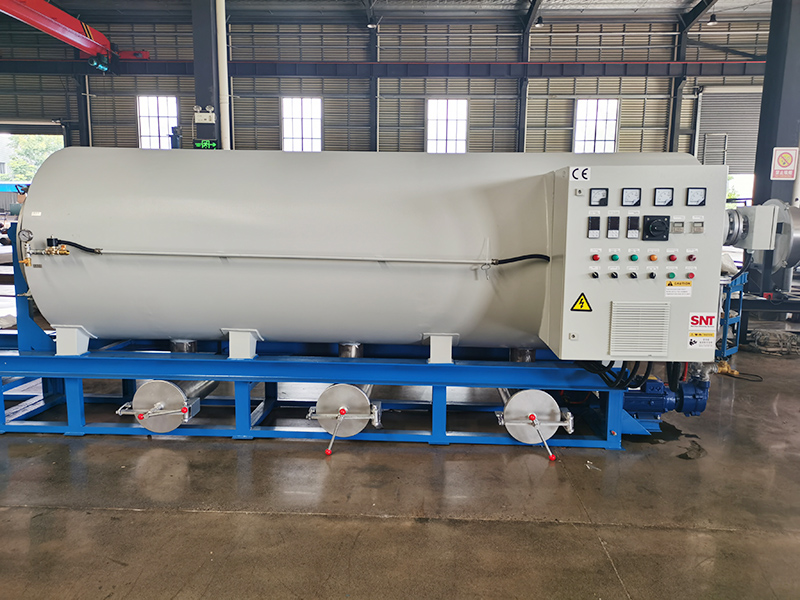
Proper Operating Process for a Screw Cleaning Furnace
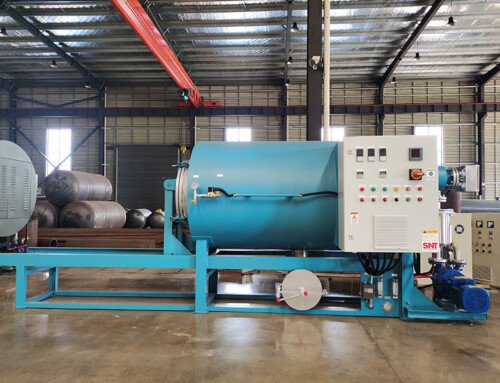
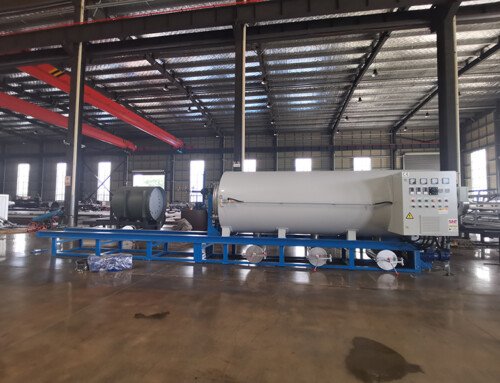
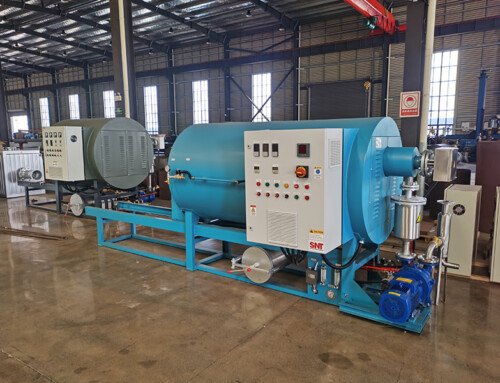
A screw cleaning furnace is commonly used in extrusion and injection molding industries to remove hardened polymer residue, carbon deposits, and contaminants from screws, barrels, and metal parts. Following the correct operating process improves cleaning efficiency, protects equipment surfaces, and helps maintain workplace safety.
Prepare the Furnace Before Startup
Before starting the cleaning cycle, operators should inspect the furnace chamber, electrical system, ventilation equipment, and temperature controller.
Any leftover ash or residue from previous cleaning cycles should be removed to maintain stable airflow and heating performance. Operators should also confirm that emergency stop systems and exhaust equipment are functioning correctly.
Check Screw and Component Conditions
Screws and metal parts should be inspected before loading. Large plastic buildup, grease, or loose contaminants should be manually removed when possible.
This preparation reduces smoke generation during heating and improves overall cleaning efficiency.
Confirm Proper Temperature Settings
Different polymers decompose at different temperatures. Operators should select a suitable temperature range based on the type of residue attached to the screw surface.
Excessive temperatures may damage metal properties, while insufficient heat can leave carbon deposits inside threaded areas.
Loading Procedures Inside the Furnace Chamber
Correct loading methods help ensure even heating and safe operation throughout the cleaning process.
Position Components With Adequate Spacing
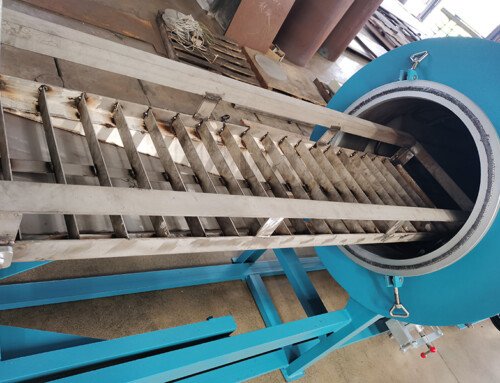
Screws and metal parts should be placed with enough distance between them to allow proper heat circulation. Overcrowding can create uneven cleaning results and increase heating time.
Larger components should be positioned securely to prevent movement during operation.
Avoid Contact With Furnace Walls
Metal parts should not directly touch heating elements or chamber walls. Direct contact may create localized overheating and surface discoloration.
Using proper support fixtures helps maintain stable positioning during the cleaning cycle.
Separate Different Materials When Necessary
Components made from different metals may react differently to high temperatures. Separating stainless steel, coated parts, and carbon steel components helps maintain consistent cleaning performance.
Heating and Cleaning Operation Steps
Careful temperature control is one of the most important parts of the cleaning process.
Increase Temperature Gradually
The furnace should be heated slowly to reduce thermal stress on metal components. Sudden temperature increases may lead to deformation or surface cracking, especially on large screws.
Gradual heating also improves decomposition consistency inside deep thread sections.
Maintain Stable Cleaning Temperature
Once the target temperature is reached, the furnace should remain stable throughout the cleaning cycle. Frequent fluctuations can affect cleaning quality and increase energy consumption.
Operators should monitor temperature readings regularly during operation.
Monitor Smoke and Ventilation Performance
As polymer residue decomposes, smoke and gases may be released from the furnace chamber. Ventilation systems should remain active during the entire process.
If abnormal smoke levels, unusual odors, or unstable temperatures appear, the furnace should be inspected immediately.
Cooling and Unloading Procedures
The cooling stage is essential for protecting cleaned components from damage.
Allow Natural Cooling After Heating
After the cleaning cycle is completed, the furnace should cool gradually. Rapid cooling methods may create internal stress and affect screw straightness.
Natural cooling helps preserve the dimensional stability of metal components.
Remove Components Carefully
Even after partial cooling, screws and barrels may remain extremely hot. Operators should use heat-resistant gloves and lifting tools during unloading.
Heavy components should be moved slowly to prevent accidental dropping or surface impact damage.
Clean Remaining Ash and Residue
After unloading, loose ash and carbon deposits can be removed using non-abrasive cleaning tools. Proper post-cleaning handling helps prepare screws for reuse or inspection.
Routine Operating Practices for Long-Term Performance
Consistent operating habits help improve furnace efficiency and extend equipment lifespan.
Inspect Heating Elements Regularly
Heating elements and insulation materials should be checked periodically for signs of wear, cracking, or uneven heating.
Routine inspections reduce the risk of unexpected shutdowns.
Calibrate Temperature Controllers
Accurate temperature control is critical for safe furnace operation. Calibration helps maintain stable heating conditions and improves cleaning consistency.
Maintain a Clean Working Environment
Dust, plastic residue, and flammable materials should not accumulate around the furnace area. A clean workspace supports safer operation and improves ventilation efficiency.