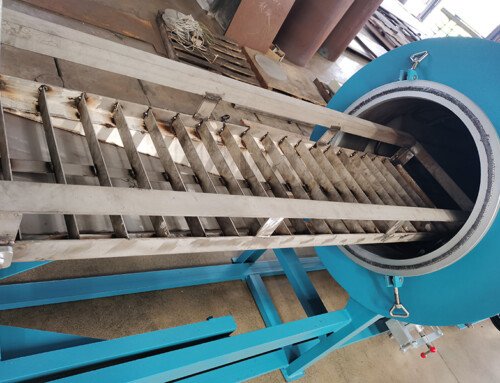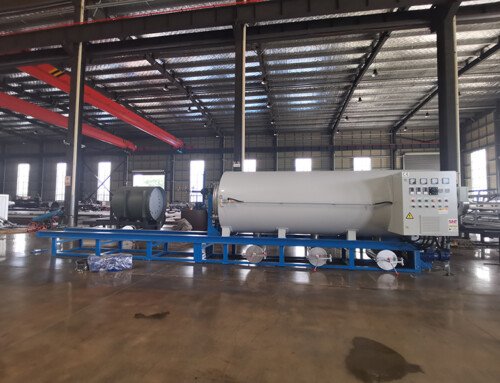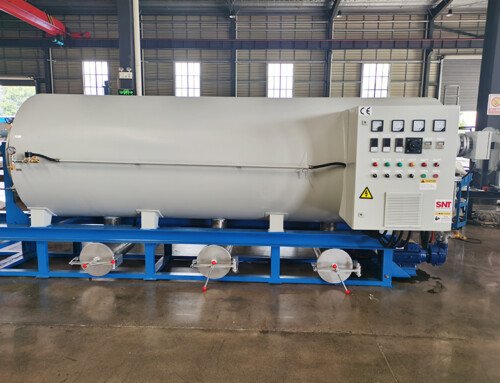
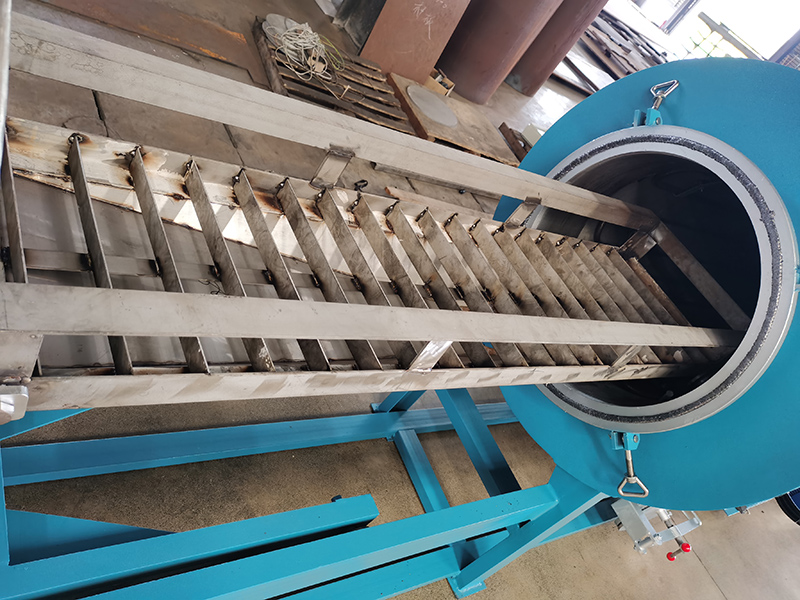
Excessive heat loss in a screw cleaning furnace creates extended heating cycle times, inconsistent process temperatures, and unnecessary fuel or power consumption that accumulates across thousands of operating hours. Identifying the root causes and applying targeted corrective actions restores thermal performance and prevents unplanned downtime during scheduled production runs.
Initial System Inspection to Locate Unintended Heat Escape Points
Start the assessment after the furnace has completed a full heating cycle and reached its standard operating temperature. Walk around the entire outer shell of the unit to spot areas that show abnormal surface temperature elevation far above normal ambient levels, as these spots almost always correspond to broken, compressed, or missing internal insulation. Pay extra attention to high-friction, high-movement areas around the furnace door seal, rotating screw feedthrough points, and observation window edges, since these components wear down much faster than stationary wall sections and create clear gaps for hot air to leak out. Cross-reference current power or fuel consumption data with historical records from the same production load, to confirm the heat loss issue is not a temporary anomaly caused by unusual operating conditions.
Repair Degraded Insulation and Seal Weak Points
Once you map all high-temperature outer surface zones, allow the furnace to cool completely before accessing the internal insulation layers. Remove any old, crumbled, or heat-compacted insulation material that has lost its original low thermal conductivity properties, and replace it with properly fitted new insulation that matches the furnace’s maximum operating temperature rating. Pay special attention to the gaps around access panels, sensor insertion ports, and screw shaft pass-through points, as these small, easily overlooked gaps can leak a surprising volume of hot air over long operating periods. Replace worn, hardened door seal components that no longer form a full continuous contact surface when the door is locked closed, and adjust door latch tension to create even, consistent compression across the entire seal face without uneven gaps.
Optimize Flue Gas and Exhaust Heat Management
Check the temperature of flue gas leaving the exhaust stack during normal operation, as unusually high exhaust temperature often indicates usable heat is being pulled out of the chamber before it can be fully absorbed by the process. Adjust exhaust damper settings to avoid drawing excess ambient air through the furnace chamber during the heating and soak phases, which prevents unnecessary heated air from being pulled straight out the exhaust path. Route the residual heat captured from moderately high-temperature exhaust gas to pre-heat incoming fresh air that feeds into the furnace chamber, so the energy required to raise fresh air to process temperature is already partially supplied by waste heat that would otherwise be lost to the surrounding environment. Avoid leaving exhaust dampers fully open during idle standby periods, as this creates a continuous unplanned draft that pulls all stored residual heat out of the furnace in a very short time.
Adjust Operating Cycles and Thermal Retention Practices
Modify the furnace’s idle standby temperature setpoint to a moderate, stable level instead of letting the unit cool all the way down to full ambient temperature between production runs, so the system does not need to consume massive extra energy to reheat the entire cold mass of the chamber from scratch for every new cycle. Schedule all consecutive cleaning batches to run back-to-back whenever production workflows allow, so the furnace retains as much residual stored heat as possible between batches instead of wasting energy on repeated full cool-down and reheat cycles. Add temporary insulated covers over any unused open ports that are not required for current operation, to eliminate small, continuous heat escape paths that add up to measurable efficiency loss over weeks of continuous use.