Thermal Residue Decomposition for Paint Line Fixtures
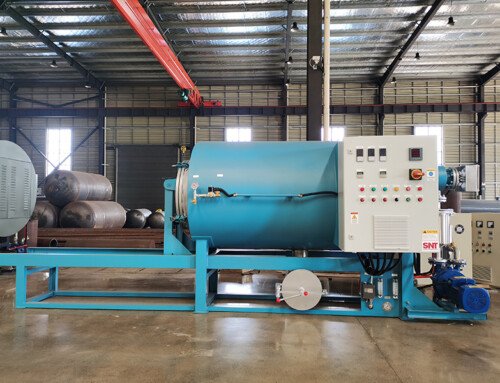
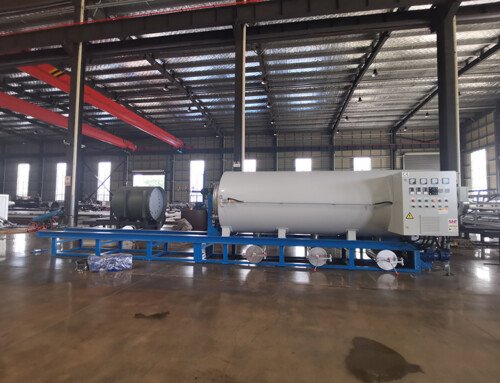
A burn off oven removes accumulated cured paint, powder coating, and overspray residue from paint line fixtures through controlled thermal decomposition, eliminating the need for labor-intensive manual scraping, harsh chemical stripping, or abrasive blasting that can wear down fixture surfaces over time. The system uses a carefully staged temperature ramp to soften and break down layered paint buildup, starting at a low initial temperature to prevent thick, caked-on overspray from bubbling and hardening into an even tougher carbon layer on the fixture surface. A low-oxygen primary chamber environment prevents uncontrolled open flame combustion, so the fixture’s base metal never reaches temperatures high enough to cause warping, loss of tensile strength, or dimensional shift that would throw off precise paint line alignment. All volatile organic compounds released during the decomposition process are routed through a dedicated afterburner zone, where they are fully oxidized into clean, harmless exhaust before being discharged, eliminating the hazardous waste streams and fume control challenges that come with chemical stripping operations. This process strips every trace of accumulated residue from even the narrowest hooks, sharp edges, and complex geometric features on custom paint line fixtures, leaving the underlying base metal completely intact.
Pre-Loading Preparation and Fixture Arrangement Protocols
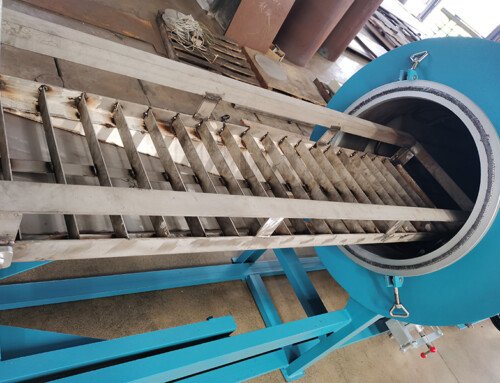
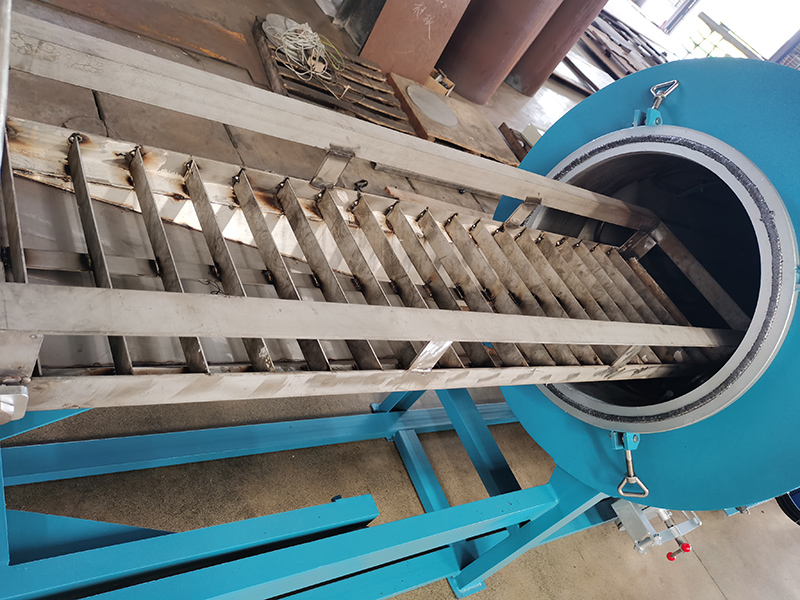
Proper pre-treatment and careful arrangement of paint line fixtures before loading drastically cuts down cycle time, improves cleaning consistency, and extends the usable life of both the oven and the tooling. Before placing any fixture inside the chamber, knock off the thickest, most heavily caked layers of overspray from large flat surfaces using a non-marring metal scraper, to remove the bulk of the accumulated material upfront and reduce the total organic load the system needs to process during the cycle. Hang all hook-style and rack-style fixtures vertically on dedicated support racks, rather than laying them flat on the oven floor, so molten softened paint residue can drain freely away from the fixture instead of pooling in low spots and re-solidifying into hard, stubborn deposits. Leave clear, unobstructed gaps between every individual fixture on the rack, to ensure hot circulating air can reach every single surface, hook tip, and hidden crevice, eliminating cold spots that would leave patches of partially decomposed paint residue behind. Never mix different fixture types with wildly different thermal mass in the same batch, as large, heavy high-mass fixtures will heat up much slower than thin, light hooks, leading to uneven cleaning results where light fixtures are overexposed to high heat while heavy units still carry leftover residue.
Cycle Parameter Tuning for Different Coating Buildup Levels
Paint line fixtures carry wildly different volumes and types of accumulated coating residue, so tuning the burn off oven cycle parameters to match each specific batch will deliver far more reliable results without unnecessary wear on your tooling. For lightly soiled fixtures that only carry a few thin layers of recent overspray, you can run a shorter, lower-temperature cycle that removes all residue quickly, minimizing total energy consumption and reducing the turnaround time between paint production runs. For heavily loaded fixtures that have built up months or even years of thick, layered mixed paint and powder coating residue, add an extended low-temperature soak phase at the start of the cycle, to slowly carbonize the thick outer layers before ramping up to full decomposition temperature, preventing sudden excessive fume release that could overwhelm the afterburner. For thin, lightweight aluminum or delicate low-profile fixtures, limit the maximum peak temperature and shorten the high-heat soak phase, to avoid the subtle softening or surface oxidation that can happen when these materials are held at extreme temperatures for too long. Maintaining a simple running log of cycle settings, fixture types, and final cleaning outcomes lets your team refine the process over time, building perfectly optimized profiles for every fixture and residue combination that passes through the system.
Post-Cycle Fixture Handling and Paint Line Readiness Steps
The post-cooling phase after the thermal cycle completes is critical to avoid damaging freshly cleaned fixtures and ensure they are ready to go straight back into paint line service. Never yank open the main oven door immediately after the heating cycle terminates, as the sudden rush of fresh ambient oxygen into the hot chamber can trigger unexpected flash combustion of fine residual carbon dust, creating a dangerous pressure spike that can damage the oven and injure nearby staff. Allow the entire chamber and all loaded fixtures to cool down gradually until they reach a temperature that is safe to handle, before carefully removing each rack and individual fixture. Once fully cooled, most fixtures will only require a quick, gentle blast of low-pressure compressed air and a light wipe down with a stiff non-metallic bristle brush to remove any tiny traces of leftover fine ash. For fixtures that require a consistent conductive grounding surface for optimal paint transfer, a quick light wire brushing on critical contact points will restore full electrical continuity, ensuring perfect grounding performance that eliminates uneven paint coverage and Faraday cage effect issues on the production line. These simple post-processing steps take a tiny fraction of the time required for manual chemical or abrasive cleaning, drastically reducing fixture turnaround time and minimizing downtime for the entire paint line operation.
Oven Maintenance to Sustain Long-Term Cleaning Performance
Sticking to a consistent, schedule-driven preventative maintenance routine keeps the burn off oven operating reliably for decades, with no unexpected downtime or gradual drop-off in cleaning quality. Drain and clean the primary chamber residue collection tray on a regular basis, removing all accumulated molten paint sludge and ash that builds up at the bottom of the chamber, preventing blockages that would disrupt airflow and create uneven hot spots inside the heating zone. Inspect the afterburner burner and exhaust ductwork at set intervals, clearing away any fine carbon dust buildup that could restrict exhaust flow and reduce the system’s ability to fully oxidize volatile fumes, preventing smoke stains from depositing back onto freshly cleaned fixture surfaces. Calibrate all internal temperature sensors quarterly to ensure displayed readings match the actual temperature inside the chamber, eliminating the risk of accidental overheating that could warp expensive custom paint line fixtures. This low-effort, regular maintenance eliminates almost all common unplanned faults, ensuring the system can handle high-volume, continuous paint line fixture cleaning workloads year after year with zero degradation in cleaning consistency.