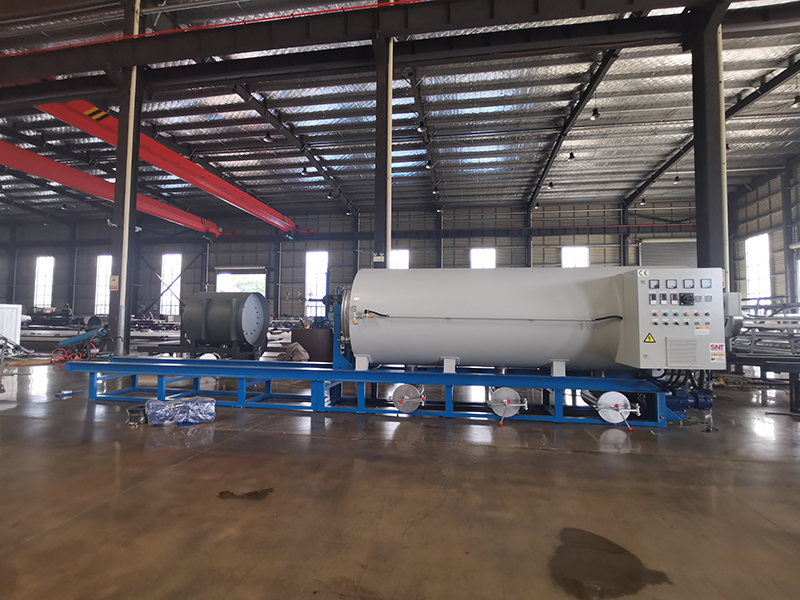
Automotive parts coating stripping is a critical step in many industrial maintenance, reconditioning, and recycling workflows across the automotive supply chain. Traditional chemical-based stripping methods often generate large volumes of hazardous waste, require lengthy multi-step processing, and leave behind residual contaminants that demand extensive post-treatment cleaning before parts can move to recoating or reassembly. A properly configured thermal burn off process addresses many of these longstanding pain points, using controlled high-temperature environments to break down organic coating layers into non-toxic gaseous byproducts, leaving clean, bare metal substrates ready for downstream operations.
Core thermal decomposition principles for controlled coating removal
The entire process relies on carefully calibrated temperature ramping and oxygen level management to ensure organic paint, powder coating, and adhesive layers break down completely without damaging the underlying metal automotive part. Most modern systems separate the heating cycle into two distinct phases, starting with a low-temperature preheating stage that slowly evaporates volatile components in the coating before temperatures climb high enough to trigger rapid combustion. This gradual ramp prevents sudden, violent outgassing that can cause smoke leakage, pressure spikes inside the chamber, or even minor surface deformation on thin-walled stamped components.
As temperatures rise past the 300°C to 400°C range, the long-chain polymer structures in most automotive coatings begin to thermally decompose, breaking down into simpler hydrocarbon molecules that vaporize into the controlled atmosphere inside the chamber. The system maintains a carefully limited oxygen concentration during this phase to prevent uncontrolled open flame burning, which would otherwise create localized hotspots that can warp precision machined surfaces, change the temper of heat-treated steel parts, or discolor polished aluminum substrates. This controlled low-oxygen pyrolysis approach ensures organic material breaks down evenly across every surface of the part, even in deep threaded holes, narrow internal passages, and complex geometric features that mechanical grinding or blasting methods cannot easily reach.
Once the primary decomposition phase is complete, the system raises temperatures slightly and introduces a regulated flow of fresh air to burn off any remaining residual carbon deposits left on the metal surface. This final oxidation step eliminates the thin, stubborn black carbon film that would otherwise remain on parts, ensuring the final bare metal surface has a consistent, uniform profile with no leftover organic residue that could interfere with subsequent powder coating, painting, or plating operations. The entire thermal cycle is designed to stay well below the critical phase-change temperature thresholds for common automotive metals, so part hardness, dimensional tolerance, and material properties remain completely unchanged after processing.
Process design best practices for different automotive component types
Different categories of automotive parts require tailored cycle parameters to balance stripping efficiency with full protection of the base material. For heavy, thick-walled components like engine blocks, transmission housings, and brake calipers, operators can run longer high-temperature hold phases to break down multiple layers of old paint, baked-on grease, and rust-proofing undercoating that have built up over decades of service. These robust cast metal parts have very high thermal mass, so they can absorb sustained high heat without any risk of warping or dimensional shift, allowing teams to push cycle times to maximize throughput for high-volume reconditioning workflows.
For thin, precision-stamped body panels, aluminum suspension components, and delicate sensor housings, the cycle profile must be adjusted to use a gentler, lower-temperature decomposition phase with slower heat ramp rates. These parts have far lower thermal mass and are far more prone to warping if heated too quickly, so extending the total cycle length to spread out temperature increases ensures every section of the part heats up uniformly at the same rate. Many experienced teams also use custom fixturing that supports these thin parts across multiple contact points during processing, preventing gravitational sag that can introduce subtle bends or distortions that would require time-consuming secondary straightening work after stripping.
For complex assemblies with mixed material construction, such as old wiring harness connectors, rubber-sealed fasteners, and parts with embedded non-metallic inserts, the process profile is tuned to target only the specific coating layers that need removal while stopping short of breaking down the underlying non-metallic components that must be preserved. This level of precise control eliminates the need for time-consuming manual disassembly work that was previously required before stripping, allowing operators to process entire sub-assemblies in one single cycle without damaging the functional non-metallic elements that would otherwise need to be discarded and replaced.
Post-processing treatment and routine operational optimization
Even after the thermal cycle completes, a short secondary post-treatment step ensures parts are fully prepared for downstream recoating. Most components come out of the chamber with a thin, powdery ash residue that is the non-organic inorganic filler from the original coating, and this residue can be quickly removed with a low-pressure air blowdown or mild water rinse. This step takes a fraction of the time required for full post-cleaning after chemical stripping, and it produces only small volumes of inert, non-hazardous solid waste that requires no special disposal handling, unlike the spent chemical stripper sludge generated by traditional methods. Many facilities also add a brief surface conversion pass after rinsing to create a micro-rough, chemically active metal surface that dramatically improves adhesion for the next layer of new coating applied to the part.
Routine operational tuning delivers consistent long-term performance and prevents unexpected issues that can disrupt production schedules. Teams track cycle data across hundreds of runs to identify small adjustments that reduce total energy consumption without compromising stripping quality, such as trimming unnecessary hold time for parts with thin single-layer coatings, or adjusting airflow patterns to improve heat distribution in underperforming zones of the chamber. Regular monitoring of exhaust output also ensures the system’s secondary afterburner is operating at the correct temperature to fully break down any remaining volatile organic compounds before air is released outside the facility, keeping emissions fully aligned with local industrial environmental standards.
Many facilities also implement a simple part pre-inspection step before loading, where staff remove large chunks of caked-on grease, thick layers of undercoating, and loose foreign debris that would otherwise create unnecessary excess smoke or extend cycle time. This 60-second check before parts enter the chamber prevents avoidable system overloads, reduces maintenance frequency, and keeps the entire workflow running smoothly at consistent throughput levels even during peak production periods. Over months of regular operation, these small, consistent operational habits add up to far more reliable, predictable stripping results that outperform almost any alternative stripping method for high-volume automotive part reconditioning work.