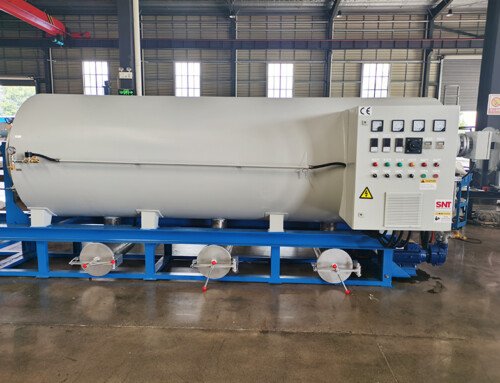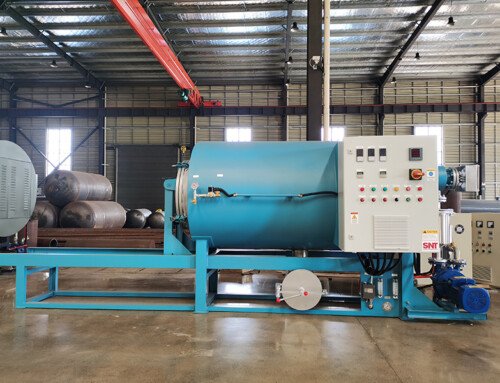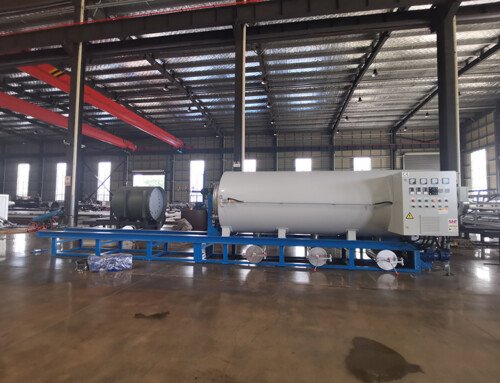
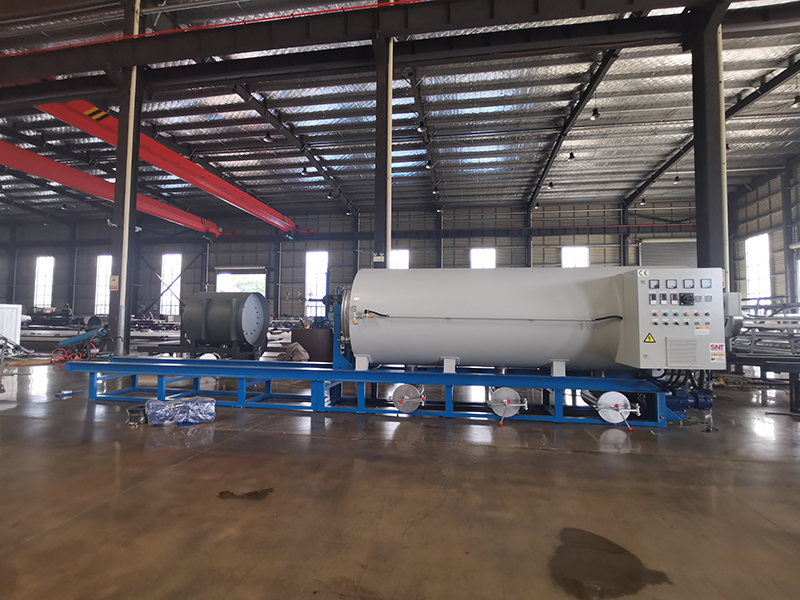
Heavy duty industrial thermal cleaning relies on controlled heat to break down organic contaminants from metal parts, tooling, and production components that would be difficult or impossible to clean with manual scrubbing, chemical solvents, or ultrasonic systems. The process is designed to preserve the base material’s structural integrity while removing built-up residues, making it a trusted solution across industries that demand thorough, repeatable cleaning without damaging high-value parts.
Core operating principles for controlled thermal decomposition
The entire process works by raising the internal chamber temperature to a carefully calibrated range that triggers thermal decomposition of organic materials, without reaching the melting or deformation point of the underlying metal substrate. Most systems separate the heating cycle into distinct phases, first applying a low, steady heat to vaporize lighter contaminants before moving to a higher temperature phase that breaks down thicker, carbonized residues. This staged approach prevents sudden, uncontrolled combustion that could warp parts, create excessive smoke, or leave behind uneven ash deposits. Operators who understand this gradual heat profile can adjust cycle parameters to match the exact type of residue they are targeting, rather than relying on a single generic setting for every load. This level of control is why the process remains far more predictable and material-safe than open flame cleaning or unregulated high-heat methods.
Common use cases in heavy industrial workflows
One of the most frequent applications is cleaning production tooling that accumulates layers of polymer, rubber, or composite material after repeated runs. Parts like extrusion dies, molds, and spinnerets often develop fine, trapped residue in tiny gaps and micro-channels that mechanical cleaning cannot reach without scratching or distorting critical tolerances. Thermal cleaning removes that embedded material completely, leaving the original surface geometry intact so the part can go back into production with performance close to new. It is also widely used for stripping cured varnish, paint, and insulation from electrical components, motor stators, and metal frames during repair or recycling operations. Instead of hours of manual scraping or harsh chemical immersion that can etch base metal, the process turns thick organic coatings into easily removable fine ash, cutting down labor time and reducing the risk of human error during post-cleaning handling.
Critical safety and process control best practices
Even with well-designed systems, proper operational discipline is non-negotiable for consistent, safe results. You can start by confirming the maximum temperature rating of every part in the load before running a cycle, to avoid accidentally exposing low-melting-point alloys or precision machined components to heat levels that cause distortion. Always make sure exhaust and afterburner systems are fully functional before starting a cycle, because incomplete combustion can release volatile byproducts that fail environmental compliance standards or create unnecessary workplace risk. Load arrangement also matters a great deal: leave clear space between stacked parts so hot air circulates evenly around every surface, preventing cold spots where residue does not fully break down, or overheated zones where metal discoloration becomes hard to remove. Many experienced operators keep a simple log of cycle times, temperature ranges, and residue types for different part families, so over time they build up a reference library that eliminates guesswork and reduces the chance of failed cleaning runs.
Post-cleaning handling and routine maintenance tips
Once a cycle completes and the chamber cools down to a safe handling temperature, most remaining ash can be removed easily with compressed air at moderate pressure or a soft bristle brush. Avoid using high-pressure blasting that could erode fine surface finishes on precision parts, especially if the base material has tight tolerance requirements. Regular maintenance of the chamber itself helps maintain consistent performance over years of use: periodically remove accumulated ash from chamber walls, heating elements, and exhaust pathways to prevent airflow blockages that would make temperature distribution uneven. You should also inspect door seals and temperature sensors at set intervals, because worn seals can allow unfiltered air to enter the chamber and disrupt the carefully controlled oxygen levels that keep the decomposition process stable. Small, consistent checks like these prevent unexpected downtime, extend the working life of the system, and ensure every cleaning run delivers the same predictable, high-quality result that heavy industrial operations depend on.