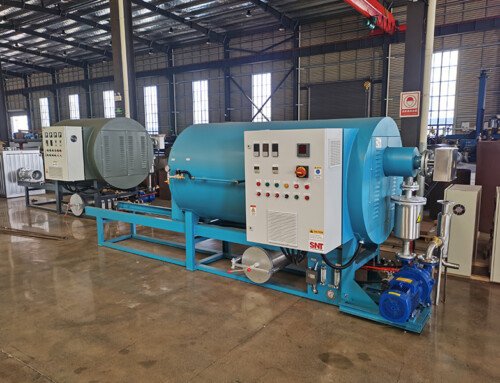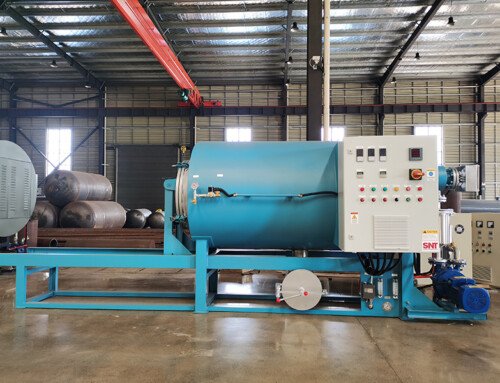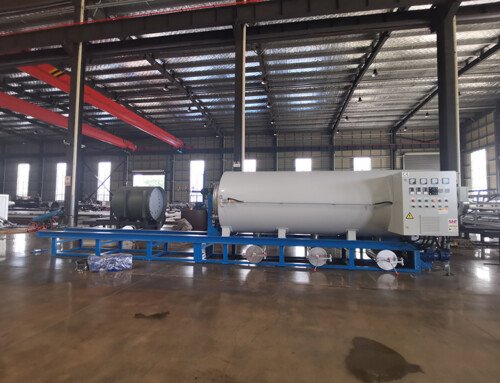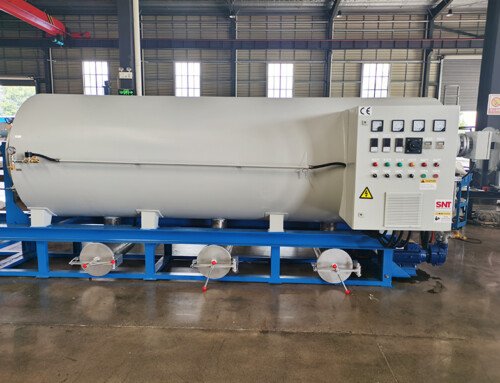
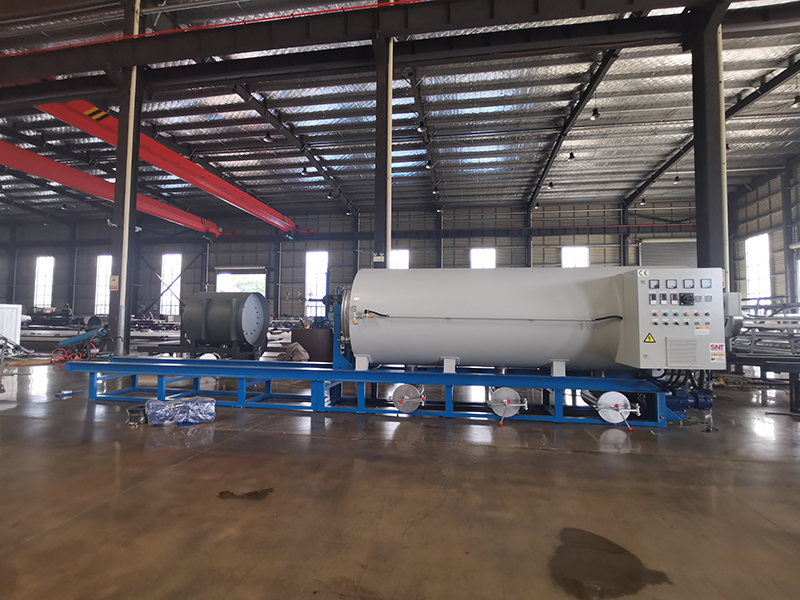
Metal processing, powder coating, and industrial finishing operations rely heavily on reusable metal racks to carry parts through spray booths, curing ovens, and surface treatment workflows. Over repeated production cycles, layers of cured lacquer, powder coating, and paint residue build up across every surface of these racks, blocking mounting points, reducing electrical conductivity for electrostatic coating, and creating uneven surfaces that interfere with consistent part placement. Manual scraping, chemical dipping, and abrasive blasting are all commonly used to strip these accumulated layers, but each method introduces drawbacks like labor-intensive work, hazardous waste, and gradual surface degradation that shortens the usable life of the metal racks. A burn off oven designed for lacquer stripping offers a fully controlled, low-labor approach that breaks down thick, multi-layer cured lacquer deposits without damaging the underlying metal substrate.
Staged Heating Cycles for Thick Lacquer Layer Breakdown
Thick, multi-layer lacquer buildup on metal racks often accumulates over dozens or even hundreds of production runs, creating a dense, cross-linked organic layer that is extremely resistant to quick, low-temperature removal. A well-structured heating cycle for this application starts with a long, low-temperature soak phase that gently heats the entire rack assembly evenly, driving out any trapped moisture, residual solvents, and light volatile compounds that are hidden deep between overlapping lacquer layers. This slow preheating step prevents rapid pressure buildup inside thick lacquer deposits, which can cause sudden spattering, flaming, or the ejection of molten coating material that leaves hard-to-remove secondary deposits on the chamber walls.
After all light volatiles are fully released, the oven temperature is raised steadily to the primary decomposition range, where it is held for a duration calibrated to the total thickness of the accumulated lacquer and the maximum heat tolerance of the rack metal. This extended high-temperature hold ensures that even the thickest, most heavily cross-linked lacquer layers break down completely into gaseous byproducts, rather than just charring on the outer surface and leaving a hard, black carbon layer stuck to the metal. Rushing this phase by jumping straight to maximum temperature almost always results in incomplete stripping, where thin, invisible residual lacquer films remain on the metal surface, interfering with subsequent coating operations and forcing extra post-processing work to fix the issue.
Airflow Regulation to Prevent Rack Surface Oxidation
Uncontrolled, high-oxygen combustion inside the burn off chamber can create unintended side effects that ruin the surface quality of metal racks, even after all lacquer residue has been fully removed. Many operators run into issues where bare steel racks come out of the oven with thick, dark oxide layers that require extra grinding or abrasive blasting to remove, adding unnecessary work back into the stripping workflow. Regulating the airflow and oxygen concentration inside the chamber creates a balanced atmosphere that supports full organic decomposition while preventing aggressive, rapid oxidation of the clean bare metal surface.
The exhaust system of the oven routes all volatile fumes released during lacquer decomposition through a secondary high-temperature oxidation zone, where any unburned organic compounds are fully broken down before they exit the system. This eliminates visible smoke, strong odors, and harmful airborne emissions that would otherwise require complex external filtration systems to meet local environmental standards. For racks made from non-ferrous metals like aluminum, which are far more sensitive to high-temperature oxidation, the airflow profile can be adjusted further to reduce oxygen levels during the final stage of the cycle, ensuring the metal surface comes out bright, clean, and completely free of discoloration without any extra post-treatment steps.
Rack Loading and Post-Cycle Handling Best Practices
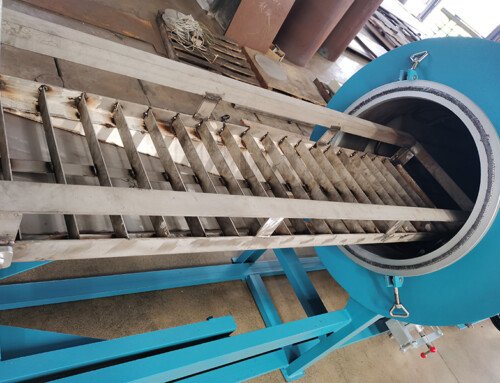
How metal racks are positioned and loaded inside the burn off oven has a massive impact on stripping consistency across every surface, especially on large, complex rack assemblies with multiple cross beams, mounting hooks, and hidden internal corners. Operators need to arrange racks inside the chamber so that hot circulating air can reach every single surface of the assembly, avoiding tight stacking that creates dead zones where air cannot flow freely. These dead zones often leave pockets of unremoved lacquer residue in shadowed areas, forcing teams to run a second full cycle or perform manual touch-up work after the initial stripping process is complete. Leaving open gaps between individual rack assemblies ensures uniform heat exposure across every part of every loaded unit, so no hidden corner gets left behind.
Once the full thermal cycle finishes, a slow, controlled cool down period inside the insulated chamber prevents rapid thermal shock that can warp thin metal bars, bend mounting hooks, or introduce subtle dimensional shifts that make the rack unusable for precision part placement. After the rack cools down to a safe handling temperature, any remaining fine ash residue from the decomposed lacquer can be easily blown off with low-pressure compressed air or rinsed with a gentle water spray, leaving the bare metal surface completely clean and ready to go back into production. Racks processed this way retain their full structural strength and original dimensional accuracy for far more repeated stripping cycles than racks that go through aggressive abrasive blasting or harsh chemical stripping, extending their total service life dramatically over time.