Core Pyrolysis Mechanism for Resin Removal
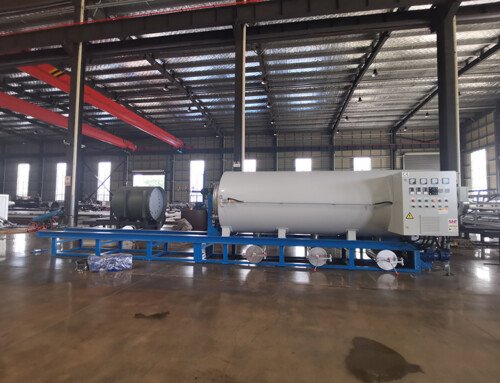
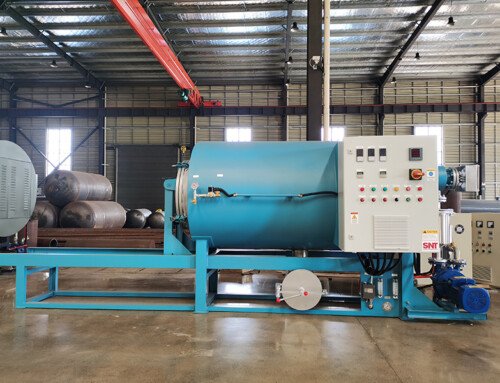
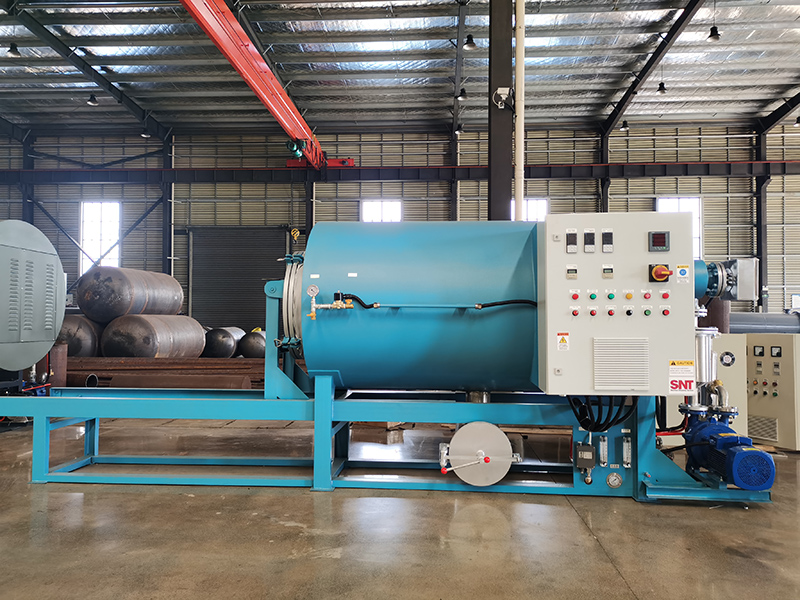
The burn off oven works by breaking down cured composite mold resin through carefully controlled high-temperature pyrolysis, a process that eliminates the need for harsh manual scraping or toxic chemical solvent baths that can damage precision mold surfaces. Inside the primary heating chamber, the temperature is raised slowly and held at a precisely calibrated range that is high enough to soften and decompose the cross-linked resin structure, but low enough to avoid warping, discoloring, or altering the tight dimensional tolerances of the underlying metal mold. The low-oxygen environment inside the main chamber prevents open flame combustion, so resin does not burn violently and leave thick, hard carbon deposits that are extremely difficult to wipe away later. All the volatile gaseous byproducts released during the decomposition process are routed through a secondary high-temperature afterburner zone, where they are fully oxidized into harmless, non-toxic exhaust before being released outside the system. This two-stage thermal process strips every trace of trapped resin residue from even the smallest, most intricate mold crevices, without leaving behind leftover chemical residue or damaging delicate mold surface finishes.
Mold Pre-Preparation and Loading Best Practices
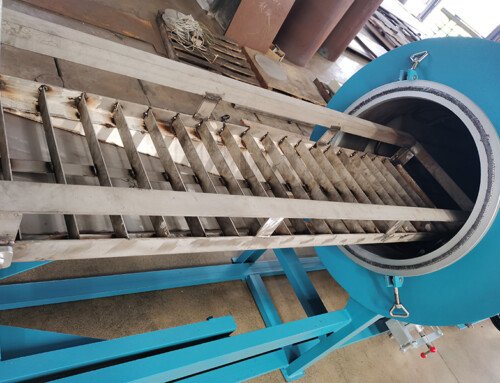
Proper pre-treatment before placing composite molds inside the burn off oven drastically improves cleaning efficiency and extends the usable working life of both the equipment and the precision mold tooling. Before loading, scrape off all thick, caked-on bulk resin layers from the outer surface of the mold using a soft non-marring scraper, to remove the largest volumes of material upfront and reduce the total amount of organic matter that needs to be processed during the thermal cycle. Arrange the molds on the oven racks with all open cavities facing downward or at an angle, so molten softened resin can drain freely out of the mold rather than pooling inside deep narrow features and re-solidifying into hard deposits halfway through the cycle. Leave sufficient empty space between every mold on the rack, to ensure hot circulating air can reach every surface, blind hole, and narrow gap on every tool, so no cold spots are left that would leave partially decomposed resin residue behind. Never load loose plastic scraps, non-mold metal parts, or excessive volumes of non-target organic material into the chamber alongside the composite molds, as this can create unexpected excess fumes that overload the afterburner and disrupt the carefully calibrated thermal cleaning process.
Cycle Tuning for Different Composite Resin Types
Different families of composite mold resin have vastly different thermal decomposition profiles, so adjusting the burn off oven cycle parameters to match the exact resin type on your tooling will deliver far more consistent, damage-free cleaning results. For fast-curing, low-molecular-weight resins that break down at relatively low temperatures, you can run a milder, shorter cycle that avoids exposing the mold to unnecessary high heat for extended periods, reducing total energy use and minimizing any risk of subtle surface finish degradation. For high-performance, high-temperature resistant composite resins that contain high char-forming filler content, you will need to extend the high-oxygen final soak phase of the cycle, to ensure every last trace of stubborn residual carbon is fully oxidized away from the mold surface. For very large, heavy multi-cavity molds with high thermal mass, add a slow, gradual ramp-up phase at the very start of the cycle, to bring the entire mold up to uniform temperature evenly, avoiding uneven thermal expansion that could introduce tiny, unwanted dimensional distortions into precision machined features. Keeping a simple log that records cycle parameters, resin type, and final cleaning result for every batch of molds lets you refine your process over time, building a perfectly optimized cycle profile for every specific mold and resin combination in your facility.
Post-Cooling Post-Processing and Mold Recovery
After the full thermal burn off cycle completes, the cooling down phase is just as critical as the heating phase, to avoid damaging the hot mold tooling or creating safety risks for maintenance staff. Never open the main oven chamber door immediately after the heating cycle finishes, as the sudden rush of fresh oxygen into the extremely hot chamber can trigger unexpected flash combustion of any remaining fine residual carbon dust, creating a dangerous pressure spike. Let the entire system cool down slowly and naturally until the mold surfaces drop to a temperature that is safe to touch, before you carefully remove each mold from the racks. Once removed, most molds will only require a quick, gentle wipe down with a soft bristle brush and compressed air to blow away any tiny traces of light ash residue left behind after the resin is fully decomposed. For molds with very fine polished surface finishes, a quick light hand polish with a non-abrasive compound will restore the surface to its exact original pre-use condition, ready to go back into composite production immediately with no extra rework required. This simple post-processing step takes a tiny fraction of the time required for full manual chemical stripping, drastically reducing mold turnaround time between production runs.
Long-Term System Maintenance for Consistent Performance
Regular, scheduled preventative maintenance on the burn off oven ensures it delivers consistent, reliable composite mold resin cleaning performance year after year, with no unexpected downtime or declining cleaning quality. Empty and clean the primary chamber drain tray on a regular schedule, to remove all accumulated molten resin residue and ash that collects at the bottom of the chamber, preventing buildup that could block airflow and create uneven hot spots during future cycles. Inspect the afterburner temperature and exhaust airflow paths regularly, to make sure no accumulated carbon dust is blocking the exhaust flow, which would reduce the system’s ability to fully oxidize volatile fumes and leave partially decomposed smoke byproducts that can stain mold surfaces. Calibrate all the system temperature sensors at regular intervals, to ensure the displayed temperature readings match the actual internal chamber temperature, preventing accidental overheating that could damage expensive precision mold tooling. Following this simple consistent maintenance routine eliminates almost all common unexpected faults, and keeps the thermal cleaning system running reliably for decades, handling even the highest volume composite mold cleaning workloads with no performance degradation.