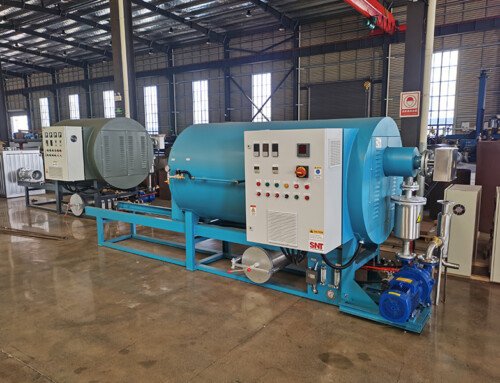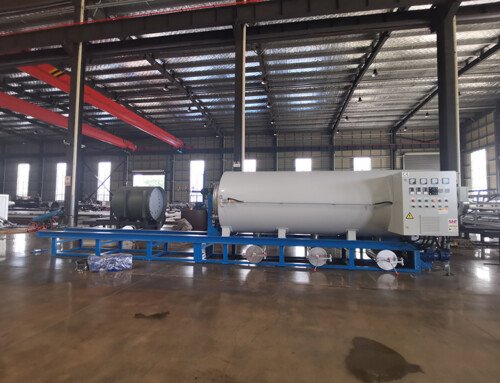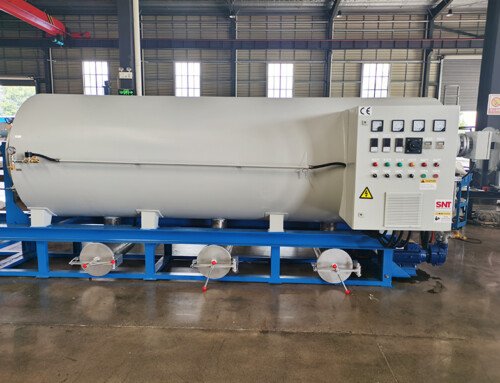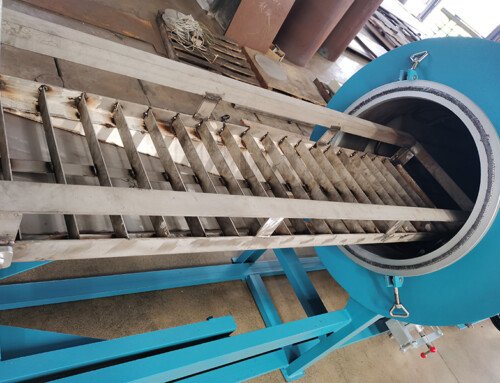
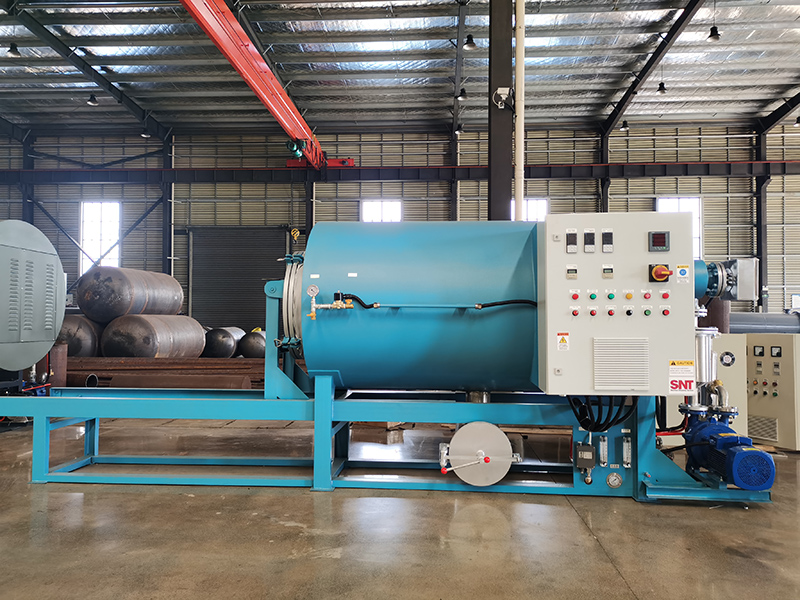
Spinnerettes and spin packs are high-precision components in fiber and polymer production, where even tiny traces of residual polymer left in micro-sized spinneret holes can disrupt fiber uniformity, cause breakage during spinning, and lead to hours of unplanned production downtime. Burn off oven systems provide a controlled, non-contact cleaning method that removes hardened, cross-linked polymer residue without the harsh mechanical scraping or aggressive chemical treatments that can easily scratch, deform, or damage the delicate precision surfaces of these expensive components. This gentle thermal approach has become the industry standard for facilities that need to restore spinnerettes and spin packs to near-new condition, while extending the usable service life of each high-cost part over hundreds of repeated cleaning cycles.
Controlled thermal decomposition for residue removal
The core operating principle behind burn off oven cleaning for spinnerettes and spin packs relies on carefully staged, low-oxygen thermal decomposition that breaks down polymer residue without exposing the base metal components to extreme, damaging temperatures. The process starts with a slow, uniform heat ramp that raises the internal chamber temperature to a carefully calibrated low level, allowing soft, low-melting-point polymer residues to gradually melt and drain away from component surfaces before any active decomposition begins. Once all free-flowing residue has drained out, the oven ramps the temperature up to a secondary controlled setpoint, where remaining cross-linked and carbonized residue breaks down into small, harmless gaseous compounds that are safely vented away through a dedicated exhaust treatment system. This gradual, staged heating profile eliminates the sudden thermal shock that can cause micro-cracks in precision spinneret plates, warping in spin pack filter assemblies, or permanent damage to the tight tolerance sealing surfaces that are critical for leak-free spinning operation.
Process safeguards to protect high-precision component geometry
Spinnerettes and spin packs are manufactured to extremely tight dimensional tolerances, where even minor warping or surface distortion can ruin the precision alignment of flow paths and the perfect circular shape of thousands of micro-sized spinneret holes. Burn off oven systems built for this application include multiple layered safeguards to keep component geometry completely unchanged through every full cleaning cycle. Low-oxygen atmosphere control inside the chamber prevents the base metal from oxidizing or forming thick scale layers that would alter critical surface dimensions, while uniform heat distribution across every zone of the chamber eliminates hot spots that could cause uneven thermal expansion and warping. Many process routines also include a slow, controlled cool-down phase after the decomposition stage is complete, where component temperatures are brought back down to room temperature at a steady, pre-programmed rate to avoid the thermal stress that comes from sudden, uneven cooling. These targeted design and process choices ensure that even after dozens of repeated cleaning cycles, the original dimensional accuracy and surface finish of the spinnerette and spin pack components remain fully intact.
Post-cleaning handling to maximize final finish quality
While the burn off oven removes nearly all polymer residue completely, a short, targeted post-cleaning routine is all that is required to bring spinnerettes and spin packs back to production-ready condition. After components have fully cooled down to room temperature, most facilities use a gentle, low-agitation rinsing step to wash away any tiny traces of residual ash that may be left on surfaces or trapped in small gaps around filter elements. Operators then perform a quick visual and dimensional verification check, confirming that every spinneret hole is completely clear, no residual carbon material remains in flow channels, and all critical sealing surfaces are free of any leftover contamination. Components that pass this final check can be immediately reassembled and returned to the spinning line, with no additional polishing or surface treatment required. This streamlined workflow cuts total component turnaround time drastically compared to older, more labor-intensive cleaning methods, and creates a consistent, repeatable process that production teams can rely on to maintain consistent fiber quality across thousands of spinning hours.