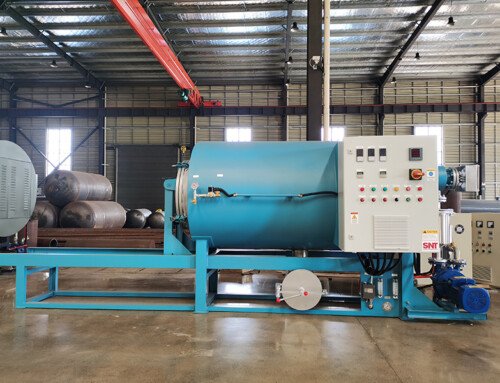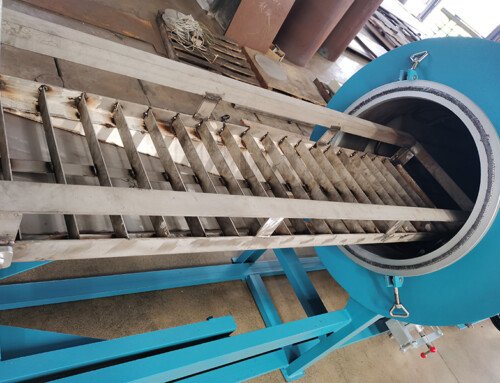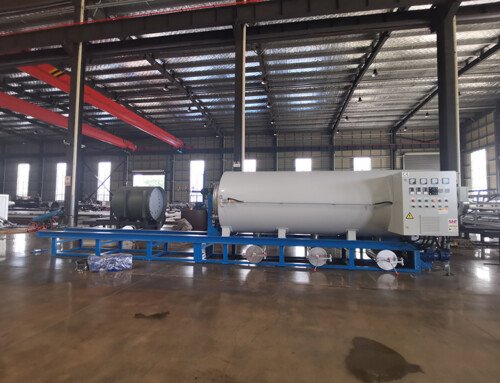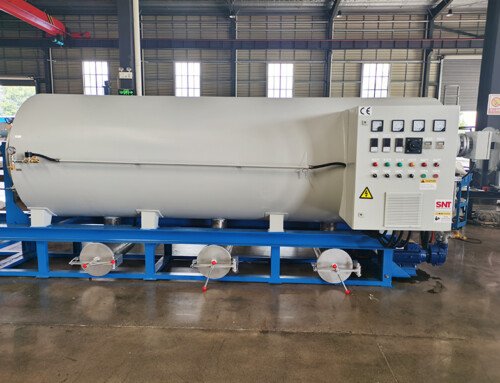
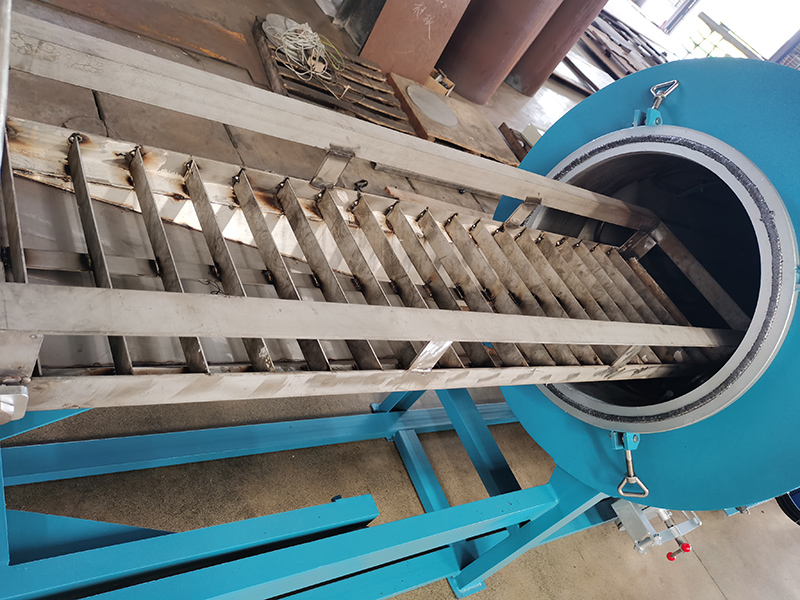
Removing thick, caked-on powder coating residue from reusable racks and fixtures can quickly become one of the most labor-heavy, time-draining tasks in a finishing operation. Manual scraping, chemical stripping, and abrasive blasting all come with their own set of limitations, messy cleanup, and risks of damaging the delicate hanging points that hold parts in place during the coating process. A gas fired burn off oven built for this specific use case uses controlled, high-temperature heat to break down accumulated organic coating material, turning it into harmless ash that can be brushed away in seconds, without the harsh labor or fixture damage that comes with older cleaning methods.
Operate within a carefully controlled temperature profile for safe, consistent results
The core of a reliable burn off process lies in maintaining a steady, carefully regulated air temperature inside the chamber that is high enough to ignite and break down cured powder coating, but low enough to avoid warping or damaging the metal racks and fixtures being cleaned. Most standard powder coating materials fully decompose and turn to ash at a consistent, well-documented temperature range, and running the oven within this window ensures even the thickest, most layered buildup of cured coating breaks down completely, without leaving sticky, half-burned residue behind. It is critical to avoid pushing the temperature far above this recommended range, because excessive heat can alter the temper of thin metal hooks, bend the frame of the racks, or shorten the usable life of your most frequently reused fixtures. A properly calibrated system maintains this target temperature evenly across every section of the chamber, so no spot gets too hot or too cold, and every load comes out fully cleaned with no leftover coating material left clinging to the surface.
Structure a multi-stage cycle to minimize smoke and eliminate incomplete burn issues
A well-designed cleaning cycle does not jump straight to full high heat the moment you close the oven door. It starts with a slow, gradual heat ramp at a lower initial temperature, to gently vaporize the lighter, more volatile components of the powder coating before the full high temperature phase begins. This slow initial phase prevents sudden, uncontrolled bursts of thick smoke that can overwhelm exhaust handling systems, and reduces the risk of unexpected pressure spikes inside the chamber. Once the system holds the target burn temperature for a set period, the final stage of the cycle brings in a controlled flow of fresh air to fully oxidize any remaining residual organic material, turning every last bit of leftover coating into fine, dry ash. The full cycle typically runs for several hours total, and operates completely automatically once you load the racks and start the program, so your team can focus on other finishing tasks instead of standing by to monitor the oven through the whole process.
Follow routine maintenance habits to extend system life and keep performance steady
Consistent, simple upkeep ensures your burn off oven delivers reliable, uniform cleaning results for years of heavy daily use. After every full cycle, once the chamber has cooled down to a safe handling temperature, brush out all the accumulated ash from the bottom of the chamber and from around the burner openings, so loose debris does not build up and interfere with even heat distribution. Inspect the door seals on a regular schedule, to make sure they still form a tight, heat-proof seal that prevents unfiltered smoke from leaking out into your work area, and replace them immediately if you spot any cracks, hardening, or signs of wear. Check the temperature monitoring systems on a regular basis to confirm they are still reading accurate chamber temperatures, so you never accidentally run a cycle far hotter than your target range. These small, repeatable steps prevent unexpected mid-cycle failures, keep the cleaning process running safely, and ensure every batch of racks comes out completely clean and ready to go back into the powder coating line.