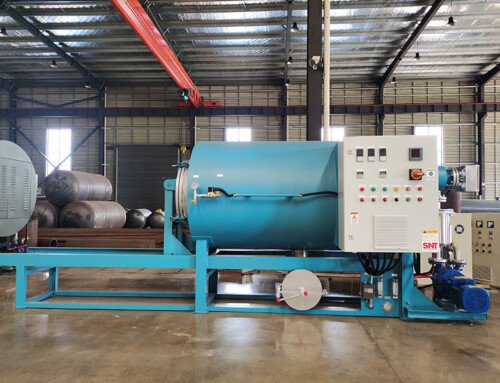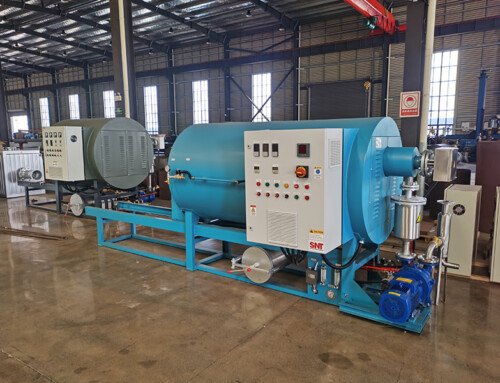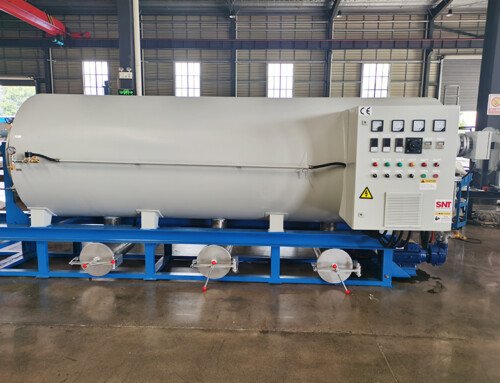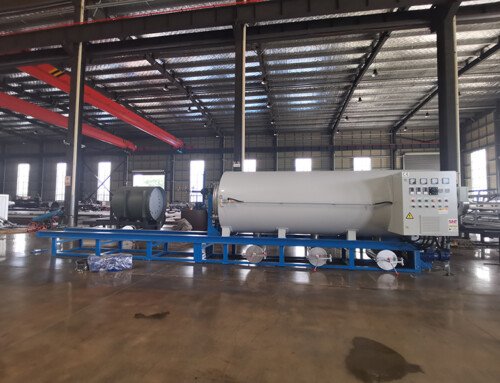
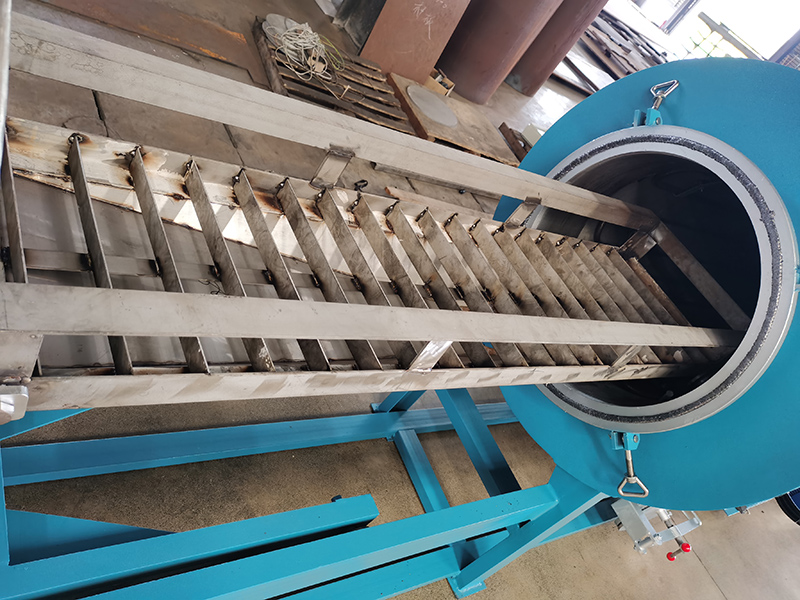
Proper preparation of a screw cleaning furnace for an extended idle period is a critical procedure that prevents deterioration, corrosion, and costly start-up failures. Unlike routine operational maintenance, shutdown preservation focuses on protecting the system from the damage caused by inactivity itself, such as moisture accumulation, lubricant separation, and component seizure.
Comprehensive cleaning and material removal
Before initiating any preservation steps, the furnace must be thoroughly purged of all processing materials. Run a complete cleaning cycle with appropriate purging compound to remove all residual polymer and carbon deposits from the screw and barrel. Do not simply turn off the machine with material inside, as it will harden, oxidize, and become extremely difficult to remove later. Once purged, allow the system to cool naturally. Then, manually open the discharge door and inspect the barrel interior with a light. Use soft tools, if necessary, to remove any final traces of purging compound or debris. Clean all external surfaces, including the feed hopper, discharge area, and heater bands, to remove dust and grease that could attract moisture or pests during storage.
Lubrication and corrosion prevention measures
Inactivity allows lubricants to drain away from bearing surfaces and can lead to corrosion. For all lubrication points—gearbox, motor bearings, thrust bearings, and door hinges—apply a fresh charge of the specified grease. For the gearbox, consider filling it slightly above the normal operating level to ensure all gears are coated. On exposed metal surfaces that are not painted, such as the screw shaft (if accessible), guide rails, or unpainted mounting surfaces, apply a thin film of a corrosion-inhibiting oil or spray. For hydraulic systems, if equipped, check the fluid level and condition. It may be advisable to change the hydraulic fluid before storage if it shows signs of contamination, as water in the fluid can cause internal corrosion over months of idleness.
Electrical system preservation and moisture control
Electrical components are highly susceptible to damage from humidity during storage. Thoroughly clean the interior of the main control panel and all junction boxes using a low-pressure vacuum or dry, lint-free cloth. Do not use compressed air, as it can drive moisture into components. Inspect for any signs of existing corrosion on terminals or circuit boards and address it. Place moisture-absorbing desiccant bags inside each electrical enclosure and seal them tightly. If possible, maintain a slight positive air pressure inside the control cabinet using dry, filtered air to keep humid ambient air out. Disconnect the main power supply and secure it with a lockout/tagout device. Cover the entire machine with a breathable, fabric-based dust cover—avoid plastic tarps that can trap condensation underneath and promote rust.
Periodic activation and condition monitoring during storage
A machine left completely static for months can develop problems. Establish a monthly preservation check. Remove the dust cover and visually inspect for signs of moisture, pest intrusion, or unexpected corrosion. Operate the main screw drive motor briefly (for just a few seconds) to rotate the screw and redistribute lubricants within the gearbox and bearings, preventing false brinelling (corrosion wear) on bearing races. If the system has a central lubrication system, activate it manually to circulate grease. Check the desiccant bags; replace them if they are saturated. For liquid-cooled systems, consider briefly circulating the coolant with the pump to coat internal passages and prevent stagnation or biological growth. Document each check in a log. This periodic “exercise” keeps seals supple, prevents bearings from setting in one position, and ensures the machine will be ready for a reliable and rapid return to service.