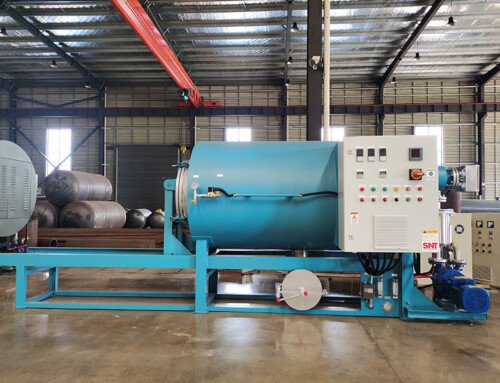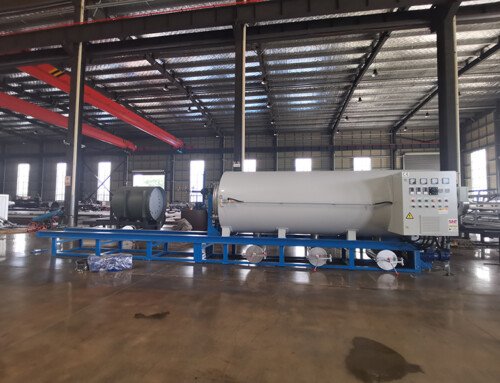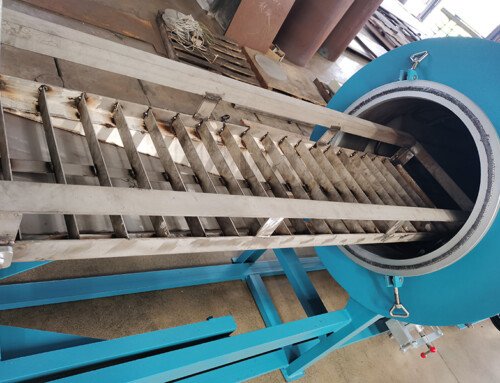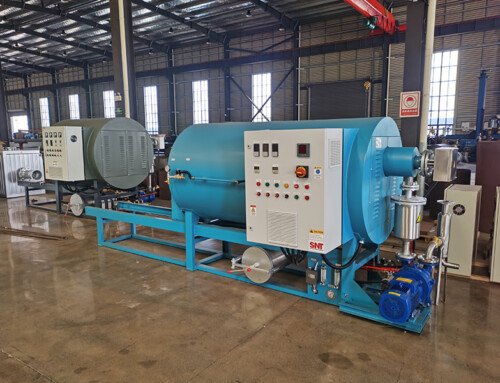
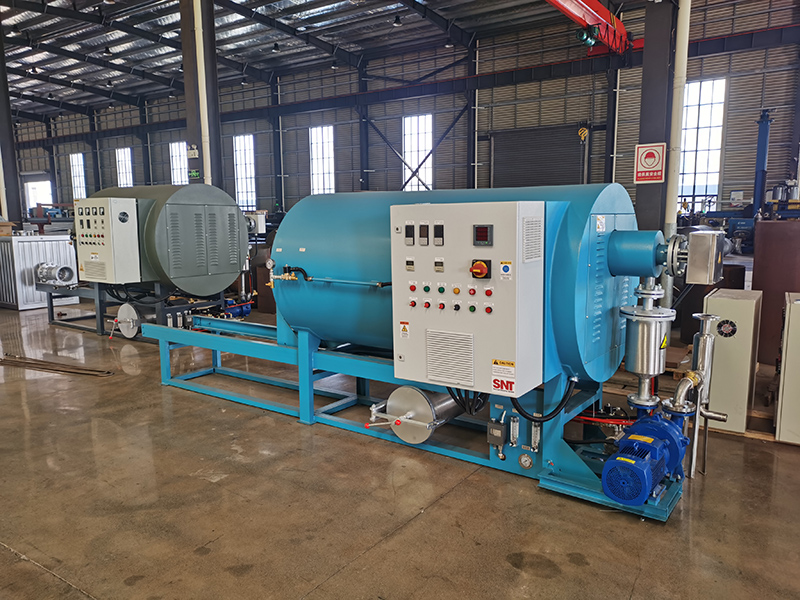
Establishing a disciplined, scheduled maintenance routine for the temperature control components of a screw cleaning furnace is the most effective strategy to prevent erratic heating, material degradation, and unplanned production halts. Unlike reactive repairs, regular care addresses wear and calibration drift before they manifest as operational problems, ensuring consistent thermal performance and extending the lifespan of sensitive electronics.
Scheduled inspection and physical cleaning cycles
Integrate a weekly inspection into the standard operational checklist. During this check, power down the system and allow it to cool completely. Carefully remove the temperature sensor probes from their thermal wells or mounting points. Gently clean the probe tip with a soft, lint-free cloth and isopropyl alcohol to remove any thin film of carbonized residue or oxidation that can insulate the probe and cause inaccurate readings. Inspect the probe’s metal sheath for any signs of pitting, corrosion, or physical damage. For the heating bands or cartridge heaters, visually check for hotspots, discoloration, or cracks in the ceramic insulation. Use a soft brush to remove any accumulated dust or debris from the heating elements and their connections, as buildup acts as an insulator and can lead to localized overheating.
Calibration verification and signal integrity checks
Calibration drift is inevitable over time. On a monthly basis, perform a verification check against a certified, calibrated reference thermometer. Heat a stable thermal mass, like a metal block, to a known temperature within the furnace’s common operating range. Immerse both the furnace’s sensor probe and the reference probe into the thermal mass, ensuring good contact. Compare the readings after they stabilize. A discrepancy beyond the sensor’s stated tolerance (often ±1-2°C) indicates a need for recalibration. Simultaneously, check the continuity and insulation resistance of the sensor wiring. Use a multimeter to measure the resistance of the sensor itself at a known temperature to verify it matches the expected values from its specification chart. Check for any electrical leakage or short to ground in the sensor wiring, which can cause erratic control signals.
Connector maintenance and environmental protection
Electrical connections are a common failure point. Every quarter, with the system locked out, inspect all terminal connections related to the temperature control loop. This includes connections at the sensor head, the terminal block in the control panel, and the input module of the temperature controller. Tighten any loose terminals, as loose connections increase resistance and create heat. Look for signs of corrosion or oxidation on contacts; clean them with electrical contact cleaner if necessary. Ensure that cable glands and conduits protecting sensor wires are secure and sealed to prevent ingress of moisture, oil, or conductive dust. For systems in harsh environments, consider applying a thin layer of dielectric grease to connector pins to inhibit corrosion.
Performance logging and predictive replacement
Maintenance is not just about tasks, but also about tracking. Keep a detailed log for each temperature control zone. Record baseline resistance values for sensors, calibration dates and offsets, and any anomalies observed during routine checks. Monitor the temperature controller’s behavior over time. Note if a heating zone begins to take longer to reach setpoint or shows increased oscillation during stable operation; these can be early signs of a heating element or sensor beginning to fail. Based on the manufacturer’s recommended lifespan and your observed performance trends, plan for the predictive replacement of key components like temperature sensors before they fail catastrophically. Proactively replacing a sensor during a planned maintenance window is far less disruptive than an emergency shutdown due to a faulty reading during a critical production run.